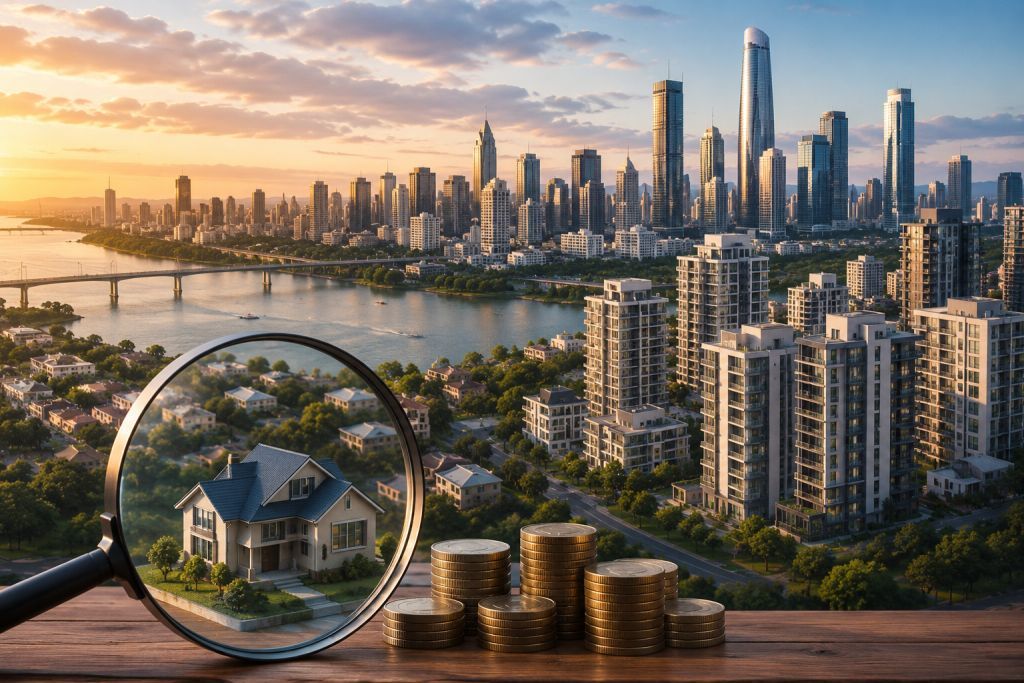
Choosing the right city is one of the most important decisions in real estate investing. Even the best property can underperform if it is located in a market with declining population, weak employment opportunities, or limited rental demand. On the other hand, a well-selected property in a growing city may benefit from increasing demand, stronger rental income, infrastructure improvements, and long-term appreciation.
In 2026, investors have access to opportunities across both developed and emerging markets. Rapid urbanization, population migration, technology-driven employment, transportation expansion, and economic diversification continue to reshape real estate markets around the world. However, no city guarantees investment success. Local regulations, financing costs, property prices, and market cycles all influence long-term returns.
Rather than focusing only on today's hottest housing market, experienced investors evaluate multiple indicators before purchasing property. Cities with balanced population growth, expanding job markets, modern infrastructure, stable rental demand, and diversified economies often provide stronger long-term investment potential than locations experiencing temporary price spikes.
This guide explains what makes a city attractive for real estate investment and highlights several global markets that continue to attract investor interest in 2026.
Quick Answer: Which Cities Have the Best Real Estate Investment Opportunities?
Cities with growing populations, expanding employment opportunities, reliable rental demand, improving infrastructure, and diversified local economies often provide the strongest long-term real estate investment opportunities. Examples frequently discussed by investors include Austin, Dallas, Nashville, Raleigh, Dubai, Singapore, Bengaluru, Hyderabad, Pune, Toronto, and Melbourne. However, the best city depends on your investment strategy, budget, property type, and long-term financial goals.
What Makes a City Attractive for Real Estate Investment?
Successful real estate investing depends on much more than purchasing an attractive property.
Strong investment markets typically demonstrate several favorable characteristics that support long-term housing demand and economic growth.
Important characteristics include:
- Growing population
- Strong employment opportunities
- Stable local economy
- Reliable rental demand
- Infrastructure development
- Business investment
- Transportation accessibility
- Quality educational institutions
- Healthcare facilities
When multiple factors improve simultaneously, real estate markets often become more attractive to both homeowners and investors.
Key Factors Every Investor Should Evaluate
Before selecting any city, investors should perform careful market research.
Areas to examine include:
- Population growth
- Employment rates
- Average household income
- Rental vacancy rates
- Property price trends
- Infrastructure investment
- Housing affordability
- Business expansion
- Future development plans
Analyzing these indicators helps investors identify markets with stronger long-term fundamentals rather than relying solely on recent price increases.
Top Cities with Strong Real Estate Investment Potential in 2026
Several cities continue attracting investors because of their economic growth, expanding populations, and diverse industries.
Austin, Texas (USA)
Austin continues to benefit from technology sector growth, population expansion, startup activity, and business relocation. Strong employment opportunities and continued housing demand have kept the city attractive for long-term residential investment.
Dallas, Texas (USA)
Dallas offers a diversified economy supported by finance, technology, logistics, healthcare, and manufacturing. Continued population growth and transportation infrastructure support ongoing housing demand.
Nashville, Tennessee (USA)
Nashville has experienced substantial growth in healthcare, entertainment, tourism, and education. Investors often monitor rental demand, population growth, and employment expansion within the metropolitan area.
Raleigh, North Carolina (USA)
Raleigh benefits from research institutions, technology companies, universities, and an expanding professional workforce. Long-term economic development continues attracting residents and businesses.
Dubai (United Arab Emirates)
Dubai remains an important international investment destination due to its business-friendly environment, modern infrastructure, tourism sector, and growing luxury residential market. Investors should carefully evaluate local regulations and market conditions.
Singapore
Singapore continues to attract international investors because of its financial sector, political stability, global business environment, and limited land supply. Property regulations and financing requirements should be reviewed carefully before investing.
Bengaluru, India
Bengaluru remains one of India's leading technology hubs. The city's expanding IT sector, startup ecosystem, educational institutions, and skilled workforce continue supporting residential housing demand.
Hyderabad, India
Hyderabad has experienced strong growth in information technology, pharmaceuticals, biotechnology, and infrastructure development. The city continues attracting both domestic and international investment.
Pune, India
Pune benefits from higher education, manufacturing, information technology, and automotive industries. Its growing employment market contributes to steady housing demand.
Toronto, Canada
Toronto remains one of Canada's largest economic centers with a diversified economy, immigration-driven population growth, and significant housing demand. Investors should evaluate affordability and local regulations.
Melbourne, Australia
Melbourne continues attracting residents through education, healthcare, technology, and cultural industries. Long-term population growth supports residential real estate demand.
Fast-Growing Cities Often Attract Investors
Rapid population growth can increase housing demand, stimulate construction activity, and support rental markets.
Common drivers of population growth include:
- Employment opportunities
- Affordable housing
- Educational institutions
- Healthcare access
- Quality of life
- Business relocation
However, rapid growth should always be evaluated alongside affordability, infrastructure capacity, and long-term sustainability.
Rental Demand and Population Growth
Rental demand remains one of the most important indicators for income-producing real estate.
Cities with expanding populations often experience:
- Higher housing demand
- Increased rental occupancy
- Greater tenant availability
- Potential long-term appreciation
Investors should also analyze vacancy rates and local rental regulations before purchasing property.
Employment and Economic Development
Strong employment markets frequently support healthy housing markets.
Industries that commonly influence residential demand include:
- Technology
- Healthcare
- Finance
- Manufacturing
- Education
- Logistics
- Tourism
Economic diversification generally reduces dependence on a single industry and may improve long-term market stability.
Infrastructure and Transportation
Infrastructure improvements often increase the attractiveness of surrounding neighborhoods.
Investors commonly evaluate:
- Highways
- Public transportation
- Airports
- Rail networks
- Schools
- Hospitals
- Shopping districts
- Business parks
Infrastructure projects can influence both rental demand and future property values over many years.
Residential vs. Commercial Opportunities
Different cities may present stronger opportunities for different property types.
Residential investments often perform well where population growth and housing demand remain strong.
Commercial opportunities may be more attractive in cities with expanding business districts, industrial development, logistics hubs, healthcare campuses, and office markets.
Investors should select property types that align with both local market conditions and their own investment objectives.
International Diversification
Some investors diversify by purchasing property in different countries or regions.
International investing may provide exposure to different economic cycles, currencies, and growth opportunities, but it also introduces additional considerations such as taxation, financing, legal systems, foreign ownership rules, and currency exchange risk.
Before investing internationally, it is important to understand local regulations and seek appropriate professional guidance where necessary.
Top Cities for Real Estate Investment Comparison
| City | Country | Primary Strength | Investment Focus | Suitable For |
|---|---|---|---|---|
| Austin | United States | Technology & Population Growth | Residential Rentals | Long-Term Investors |
| Dallas | United States | Diversified Economy | Residential & Commercial | Income Investors |
| Nashville | United States | Healthcare & Tourism | Rental Properties | Buy-and-Hold Investors |
| Raleigh | United States | Research & Technology | Residential Housing | Growth Investors |
| Dubai | United Arab Emirates | International Business Hub | Luxury Residential & Commercial | Global Investors |
| Singapore | Singapore | Financial Center | Residential & Commercial | Long-Term Investors |
| Bengaluru | India | IT & Startup Ecosystem | Residential Rentals | First-Time Investors |
| Hyderabad | India | Technology & Infrastructure | Residential & Commercial | Growth Investors |
| Pune | India | Education & Manufacturing | Residential Rentals | Rental Investors |
| Toronto | Canada | Diversified Economy | Residential Housing | Long-Term Investors |
| Melbourne | Australia | Population Growth | Residential & Mixed Use | Portfolio Diversification |
Key Investment Factors Comparison
| Factor | Why It Matters |
|---|---|
| Population Growth | Supports long-term housing demand. |
| Employment Growth | Creates additional demand for housing. |
| Rental Demand | May improve occupancy and cash flow. |
| Infrastructure | Can increase neighborhood attractiveness. |
| Business Expansion | Supports economic growth. |
| Housing Affordability | Influences future buyer demand. |
| Transportation | Improves accessibility and property value. |
| Local Regulations | May affect ownership, taxes, and rental operations. |
Residential vs. Commercial Investment Opportunities
| Investment Type | Advantages | Challenges |
|---|---|---|
| Residential Property | Consistent housing demand and broader buyer market | Tenant turnover and ongoing maintenance |
| Commercial Property | Potential for longer lease agreements | Higher purchase costs and more complex management |
| Industrial Property | Strong demand from logistics and manufacturing | Market dependent |
| Mixed-Use Property | Diversified income opportunities | Higher management complexity |
Benefits of Investing in the Right City
| Benefit | Description |
|---|---|
| Higher Rental Demand | Growing cities often attract more tenants. |
| Long-Term Appreciation | Property values may increase over time. |
| Economic Stability | Diversified economies may reduce investment risk. |
| Portfolio Growth | Expanding markets provide additional investment opportunities. |
| Better Liquidity | Popular cities may attract more buyers. |
| Infrastructure Improvements | Public investment may increase property demand. |
Pros and Cons of Investing in Fast-Growing Cities
| Pros | Cons |
|---|---|
| Potential appreciation | Higher property prices |
| Strong rental demand | Increased competition among investors |
| Growing employment opportunities | Possible affordability concerns |
| Infrastructure expansion | Changing market conditions |
| Diverse investment options | Local regulations vary |
Common Mistakes When Choosing an Investment City
Buying Based Only on Recent Price Growth
Rapid price increases do not necessarily indicate sustainable long-term investment performance. Evaluate economic fundamentals instead of short-term trends.
Ignoring Rental Demand
Strong appreciation alone may not produce consistent investment returns if rental demand remains weak.
Failing to Research Local Regulations
Zoning rules, landlord regulations, taxes, and short-term rental restrictions may influence profitability.
Overlooking Employment Trends
Healthy job markets often support stable housing demand and long-term population growth.
Not Considering Infrastructure Projects
Transportation improvements, business parks, schools, and hospitals may significantly affect future property values.
Ignoring Affordability
Markets with rapidly increasing prices may present greater financial risk if rental income does not keep pace with ownership costs.
Tips for Selecting the Right Investment City
Research Population Growth
Growing populations often increase demand for both owner-occupied and rental housing.
Evaluate Employment Opportunities
Cities supported by multiple industries may offer greater long-term market stability.
Study Rental Market Data
Occupancy rates, rental demand, and average rents help investors estimate future cash flow.
Compare Multiple Cities
Review several markets before making an investment decision rather than focusing on a single location.
Think Long-Term
Successful real estate investing often depends on long-term economic trends rather than short-term market movements.
Featured Snippet: Which Cities Have the Best Real Estate Investment Opportunities?
Cities with strong population growth, expanding employment opportunities, reliable rental demand, modern infrastructure, and diversified economies generally offer the best long-term real estate investment opportunities. Markets such as Austin, Dallas, Nashville, Raleigh, Dubai, Singapore, Bengaluru, Hyderabad, Pune, Toronto, and Melbourne are frequently considered attractive because of their economic development and housing demand. Investors should evaluate local regulations, affordability, financing costs, and property type before making any investment decision.
Frequently Asked Questions
1. What makes a city good for real estate investment?
Population growth, employment opportunities, rental demand, infrastructure, affordability, and economic diversification are among the most important factors.
2. Should beginners invest in major cities?
Some beginners prefer established cities, while others choose emerging markets with lower entry costs.
3. Why is population growth important?
Growing populations often increase demand for housing and rental properties.
4. Is rental demand more important than appreciation?
Both are important. Many investors evaluate recurring rental income together with long-term appreciation potential.
5. Are technology cities good investments?
Technology-driven cities often experience employment growth and housing demand, although market conditions vary.
6. Why should I compare multiple cities?
Comparing markets helps identify opportunities that best match your investment goals and budget.
7. Does infrastructure affect property values?
Transportation, schools, hospitals, and commercial development may influence long-term demand.
8. Is commercial property better than residential?
The best option depends on your experience, available capital, risk tolerance, and investment objectives.
9. Should I invest internationally?
International investments may provide diversification but require careful research into legal, tax, financing, and ownership requirements.
10. What industries support strong housing markets?
Technology, healthcare, finance, education, logistics, manufacturing, and tourism often contribute to housing demand.
11. Can property values decline?
Yes. Real estate markets fluctuate due to economic conditions, interest rates, and local demand.
12. Should I review local regulations?
Absolutely. Rental laws, taxes, zoning, and foreign ownership rules may affect investment performance.
13. How important is affordability?
Affordability influences buyer demand, rental demand, and long-term market sustainability.
14. Are fast-growing cities always better investments?
Not necessarily. Rapid growth should be evaluated alongside infrastructure, affordability, and economic stability.
15. Should I diversify across multiple cities?
Some investors diversify geographically to reduce exposure to a single local market.
16. What is the biggest mistake when selecting a city?
Making decisions based only on recent price increases instead of researching long-term market fundamentals.
17. What should I do before purchasing property?
Research local markets thoroughly, compare cities, estimate total ownership costs, review regulations, and create a long-term investment plan.
Summary
The best cities for real estate investment are typically those supported by expanding populations, diversified economies, strong employment markets, modern infrastructure, and healthy rental demand. While well-known markets such as Austin, Dallas, Singapore, Dubai, Bengaluru, Hyderabad, Toronto, and Melbourne continue to attract investors, no city guarantees investment success.
Successful investing depends on matching your financial goals with the right location, property type, financing strategy, and risk tolerance. Rather than chasing short-term market trends, investors should focus on long-term economic fundamentals, local regulations, and sustainable growth. Thorough research and disciplined decision-making remain the foundation of successful real estate investing in any city.
Sources
- PwC & Urban Land Institute – Emerging Trends in Real Estate
- National Association of Realtors – Research and Statistics
- JLL – Global Real Estate Research
- CBRE – Global Real Estate Market Insights
- Savills – Global Property Research
- Knight Frank – Wealth Report & Property Research
- World Bank – Urban Development
- OECD – Housing and Urban Development
- International Monetary Fund – World Economic Outlook
- UN-Habitat – Sustainable Urban Development