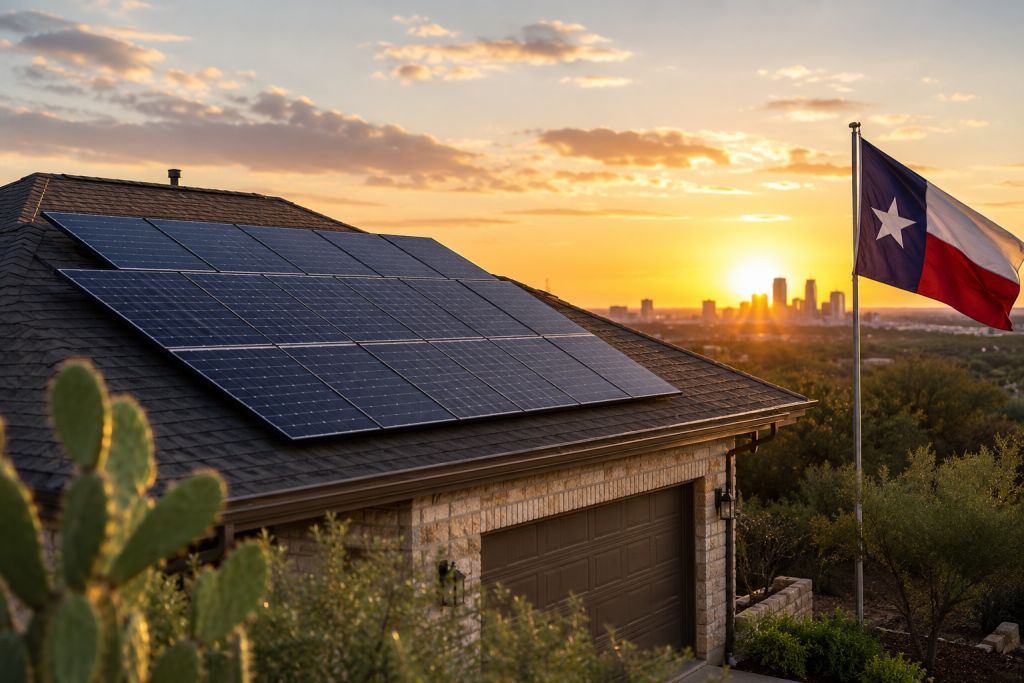
Texas is one of the best states in America for solar energy. With abundant sunshine, rising electricity costs, and growing interest in renewable energy, many homeowners are asking the same question: Are solar panels worth it in Texas?
The short answer is yes—for many homeowners, solar panels can provide significant long-term savings, energy independence, and environmental benefits. However, the financial value of solar depends on factors such as your electricity usage, location, roof condition, utility provider, and available incentives.
This guide explains everything you need to know about solar panels in Texas, including installation costs, potential savings, tax credits, payback periods, advantages, disadvantages, and whether solar is the right investment for your property.
Quick Answer
Solar panels are often worth it in Texas because the state receives substantial sunlight throughout the year, making solar energy production highly effective. Homeowners can reduce electricity bills, take advantage of the federal solar tax credit, and potentially increase property value.
However, the return on investment varies depending on:
- Your monthly electricity consumption
- Local utility rates
- Available solar buyback programs
- Roof orientation and shading
- Installation costs
- Length of home ownership
Why Texas Is a Strong State for Solar Energy
Texas ranks among the leading states for solar energy production. The state's climate and geography make it particularly suitable for residential solar installations.
Abundant Sunshine
Most areas of Texas receive between 220 and 300 sunny days per year. This allows solar panels to generate electricity consistently throughout the year.
Cities such as Houston, Dallas, Austin, San Antonio, El Paso, and Corpus Christi all receive enough sunlight to make solar systems productive.
Growing Electricity Costs
Electricity prices have increased in many areas over the past decade. As utility rates rise, homeowners often look for ways to reduce dependence on traditional electricity providers.
Solar panels can offset a significant portion of monthly electricity expenses, creating long-term savings.
Large Residential Market
Texas has millions of single-family homes with roof space suitable for solar installation. Many homeowners are investing in solar systems to gain more predictable energy costs.
How Solar Panels Work
Solar panels convert sunlight into electricity using photovoltaic (PV) cells. When sunlight strikes the panels, it generates direct current (DC) electricity.
An inverter converts this electricity into alternating current (AC), which powers household appliances and electrical systems.
Any unused electricity may be:
- Stored in battery systems
- Sent back to the electrical grid
- Credited through utility buyback programs
Average Cost of Solar Panels in Texas
The cost of solar installation varies depending on system size, equipment quality, installer pricing, and local permitting requirements.
A typical residential solar system in Texas often ranges between:
- $15,000 to $35,000 before incentives
Many homeowners install systems between 5 kW and 10 kW, depending on energy consumption.
Factors That Affect Solar Installation Costs
- Roof size and complexity
- Solar panel brand
- Inverter type
- Battery storage options
- Labor costs
- Permitting fees
- Utility interconnection requirements
Premium solar systems with battery backup generally cost more but provide greater energy independence.
Federal Solar Tax Credit
One of the biggest financial benefits available to Texas homeowners is the federal solar investment tax credit.
This incentive allows eligible homeowners to claim a percentage of installation costs as a federal tax credit.
The program has helped reduce the effective cost of solar systems for homeowners across the United States.
Official information can be found through the Internal Revenue Service and the U.S. Department of Energy.
How Much Can You Save With Solar Panels in Texas?
The amount you save depends on your household's energy consumption and local electricity rates.
Homeowners with higher electricity usage generally achieve greater savings because they offset more utility purchases.
Potential savings may come from:
- Lower monthly electricity bills
- Protection from future utility rate increases
- Reduced peak-hour energy costs
- Utility buyback credits
Many homeowners save thousands of dollars over the lifetime of their solar systems.
Solar Payback Period in Texas
The payback period refers to the amount of time required for energy savings to recover the initial installation cost.
In Texas, many homeowners experience payback periods ranging from:
- 6 to 12 years
Several factors influence this timeline:
- System cost
- Electricity rates
- Federal tax incentives
- Solar production levels
- Energy consumption habits
After the payback period, the electricity generated by the system can provide years of additional savings.
Do Solar Panels Increase Home Value?
Many real estate professionals believe solar-equipped homes can be more attractive to buyers.
Potential advantages include:
- Lower future utility bills
- Energy efficiency appeal
- Reduced operating costs
- Environmental benefits
Buyers increasingly consider energy efficiency when evaluating homes, especially in regions with high cooling costs such as Texas.
Texas Net Metering and Solar Buyback Programs
Unlike some states, Texas does not have a single statewide net metering policy.
Instead, many utility companies and retail electricity providers offer solar buyback programs.
These programs may allow homeowners to receive credits for excess electricity sent to the grid.
The value of these credits varies by provider, making it important to compare plans before installing solar panels.
Pros of Solar Panels in Texas
- High solar energy production potential
- Reduced electricity bills
- Federal tax incentives
- Potential increase in property value
- Lower environmental impact
- Protection against rising utility rates
- Long system lifespan
Cons of Solar Panels in Texas
- High upfront installation costs
- Variable utility buyback programs
- Roof suitability requirements
- Potential maintenance expenses
- Long payback period for some homeowners
When Solar Panels Are Worth It in Texas
While solar panels can benefit many homeowners, they provide the greatest value under certain conditions. If several of the following situations apply to you, installing solar panels may be a smart long-term investment.
You Have High Electricity Bills
Texas summers are known for extreme heat, and air conditioning often accounts for a large portion of residential electricity usage. Homeowners with monthly electric bills exceeding $150 to $200 typically see greater financial benefits from solar energy because they can offset a larger amount of utility costs.
You Plan to Stay in Your Home Long-Term
Solar panels generally provide the best return when homeowners remain in the property long enough to recover installation costs through energy savings. If you expect to stay in your home for at least 8 to 10 years, solar becomes more attractive financially.
Your Roof Receives Significant Sunlight
Solar panels perform best on roofs that receive direct sunlight for most of the day. South-facing and west-facing roofs are often ideal in Texas because they maximize solar exposure.
Your Roof Is in Good Condition
Installing solar panels on a roof that may soon require replacement can create additional expenses later. Many homeowners choose to repair or replace aging roofs before installing a solar system.
You Want Protection From Rising Energy Costs
Electricity prices can fluctuate due to fuel costs, infrastructure investments, and market conditions. Solar panels help homeowners reduce dependence on utility providers and create more predictable long-term energy expenses.
When Solar Panels May Not Be Worth It
Although solar works well for many Texas homeowners, there are situations where the investment may not deliver the expected return.
You Plan to Move Soon
If you expect to sell your home within a few years, you may not stay long enough to recover installation costs through energy savings.
Your Home Has Significant Shade
Trees, neighboring buildings, and other obstacles can reduce solar production. Excessive shading lowers system efficiency and may lengthen the payback period.
Your Electricity Usage Is Very Low
Homeowners with minimal electricity consumption may see smaller monthly savings, making the return on investment less attractive.
Your Roof Needs Major Repairs
If your roof requires replacement in the near future, addressing those issues before installing solar panels is often the better financial decision.
Solar Batteries: Are They Worth It in Texas?
Battery storage systems allow homeowners to store excess solar energy for later use. This can be especially useful during power outages or periods of high electricity demand.
Benefits of solar batteries include:
- Backup power during outages
- Greater energy independence
- Reduced reliance on the electrical grid
- Ability to use stored energy during peak pricing periods
However, batteries can significantly increase the overall project cost. Many homeowners choose to install solar panels first and add battery storage later if needed.
Buying vs Leasing Solar Panels in Texas
Texas homeowners typically choose between purchasing solar panels or entering a solar lease agreement.
Buying Solar Panels
Purchasing a solar system provides the highest long-term savings because homeowners own the equipment and benefit directly from incentives.
Advantages include:
- Higher lifetime savings
- Eligibility for tax incentives
- Potential increase in home value
- No ongoing lease payments
Leasing Solar Panels
Leasing allows homeowners to install solar with little or no upfront cost. However, long-term savings are usually lower because the solar company retains ownership of the equipment.
Advantages include:
- Lower upfront costs
- Predictable monthly payments
- Maintenance may be included
For homeowners focused on maximum return on investment, purchasing is often the preferred option.
Best Texas Cities for Solar Panels
Most areas of Texas receive enough sunlight to support productive solar systems. However, some regions are especially favorable due to strong solar resources and high energy demand.
Austin
Austin has a strong renewable energy culture and continues to support residential solar adoption.
Dallas
Dallas homeowners often benefit from high sunshine levels and substantial air-conditioning usage, creating opportunities for meaningful savings.
Houston
Houston's large residential market and significant cooling requirements make solar attractive for many households.
San Antonio
San Antonio receives abundant sunshine and has seen considerable growth in solar energy adoption.
El Paso
El Paso is one of the sunniest cities in Texas, making it particularly well-suited for solar energy production.
Environmental Benefits of Solar Panels
While financial savings are often the primary motivation, solar panels also provide environmental advantages.
Benefits include:
- Reduced greenhouse gas emissions
- Lower dependence on fossil fuels
- Cleaner energy production
- Support for renewable energy growth
For environmentally conscious homeowners, these benefits can add significant value beyond financial returns.
Common Solar Panel Myths
Myth 1: Solar Panels Don't Work on Cloudy Days
Solar panels continue generating electricity even when conditions are cloudy, although production may be reduced compared to bright sunny days.
Myth 2: Solar Panels Require Constant Maintenance
Most modern solar systems require very little maintenance. Occasional cleaning and routine inspections are typically sufficient.
Myth 3: Solar Panels Damage Your Roof
When installed properly by qualified professionals, solar panels generally do not damage roofs.
Myth 4: Solar Is Only for Wealthy Homeowners
Financing options, loans, and incentive programs have made solar energy more accessible to a wider range of homeowners.
How Long Do Solar Panels Last?
Most residential solar panels are designed to last 25 to 30 years or more.
Many manufacturers provide performance warranties guaranteeing a certain level of energy production over time.
Although efficiency may gradually decline, systems often continue generating useful electricity well beyond their warranty periods.
Questions to Ask Before Installing Solar Panels
Before signing a contract, homeowners should ask:
- What is the total installation cost?
- What warranties are included?
- How much electricity will the system produce?
- What financing options are available?
- Does my utility offer a solar buyback program?
- What is the estimated payback period?
- Will battery storage be beneficial?
Obtaining multiple quotes can help ensure you receive competitive pricing and accurate production estimates.
Frequently Asked Questions
How much do solar panels cost in Texas?
Most residential systems cost between $15,000 and $35,000 before incentives, depending on system size and equipment choices.
Do solar panels increase home value?
Many studies suggest solar-equipped homes may sell for more than comparable homes without solar, although results vary by market.
Can solar panels eliminate electric bills completely?
Some homeowners offset nearly all of their electricity usage, but complete elimination depends on system size, consumption habits, and utility policies.
What is the average payback period for solar in Texas?
Many homeowners recover installation costs within approximately 6 to 12 years through utility savings and incentives.
Do solar panels work during power outages?
Standard grid-connected systems often shut down during outages for safety reasons. Battery storage systems can provide backup power.
Does Texas have state solar incentives?
Texas does not offer a statewide residential solar tax credit, but homeowners may qualify for federal incentives and local utility programs.
Final Verdict: Are Solar Panels Worth It in Texas?
For many homeowners, the answer is yes. Texas offers abundant sunshine, strong solar production potential, and opportunities for long-term electricity savings. When combined with federal tax incentives and rising utility costs, solar panels can provide an attractive return on investment.
Solar is often most beneficial for homeowners who have high electricity usage, receive strong sunlight exposure, and plan to remain in their homes for several years. While the upfront cost can be significant, the long-term savings and potential property value benefits make solar a worthwhile consideration for many Texas residents.
Before making a decision, compare multiple installer quotes, evaluate your electricity usage, review available incentives, and calculate your estimated payback period. A properly designed system can deliver decades of clean energy and financial savings.