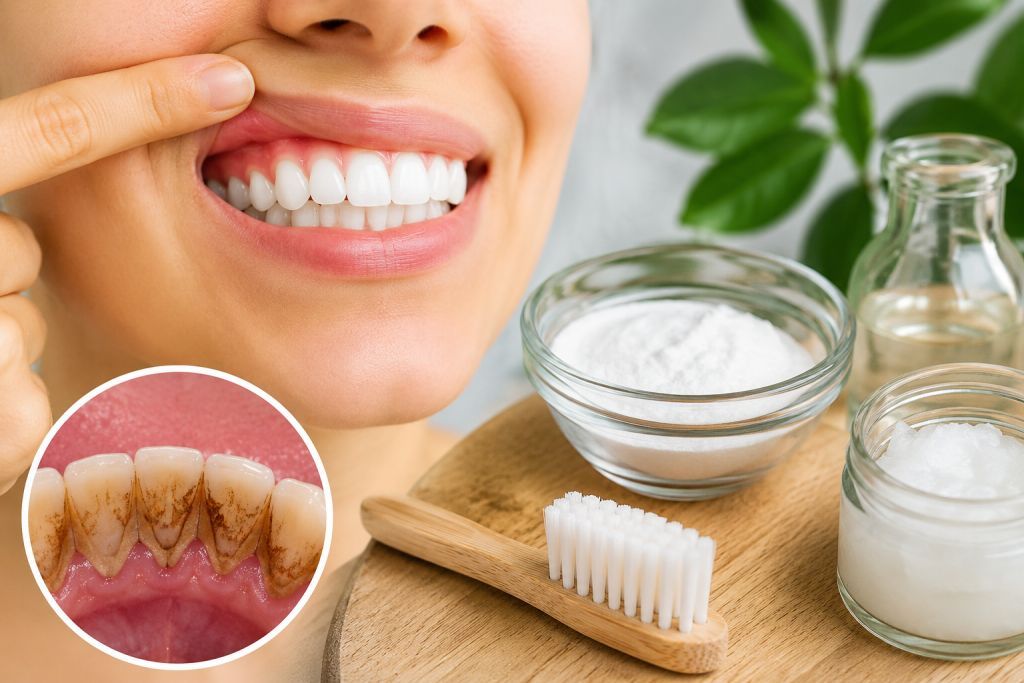
Tartar buildup is a common dental problem that affects millions of people. If you've noticed yellow, brown, or hard deposits on your teeth near the gumline, you may be wondering how to remove tartar from teeth without a dentist.
While many websites promote home remedies for tartar removal, it is important to understand the difference between plaque and tartar. In most cases, once plaque hardens into tartar, it cannot be safely or completely removed at home.
However, there are several proven oral hygiene practices that may help reduce plaque, slow tartar buildup, improve gum health, and support cleaner teeth between professional dental visits.
This guide explains what tartar is, whether it can be removed without a dentist, safe home care methods, common myths, and the best ways to prevent future buildup.
Quick Answer
Hardened tartar generally cannot be completely removed without professional dental cleaning. However, you can help prevent additional tartar buildup by:
- Brushing twice daily with fluoride toothpaste
- Flossing every day
- Using tartar-control toothpaste
- Rinsing with antimicrobial mouthwash
- Reducing sugary foods and drinks
- Maintaining regular dental cleanings
Home care can help manage plaque and prevent new tartar formation, but existing tartar usually requires professional removal.
What Is Tartar?
Tartar, also called dental calculus, forms when plaque remains on teeth long enough to harden.
Plaque is a sticky film of bacteria that constantly develops on the teeth and gums.
When plaque is not removed through proper brushing and flossing, minerals from saliva cause it to harden into tartar.
Unlike soft plaque, tartar attaches firmly to tooth surfaces and becomes much more difficult to remove.
Plaque vs. Tartar
| Feature | Plaque | Tartar |
|---|---|---|
| Texture | Soft and sticky | Hard and rough |
| Removal | Usually removable with brushing and flossing | Typically requires professional cleaning |
| Color | Usually colorless | Yellow, brown, or darker deposits |
| Risk | Can lead to cavities | Can contribute to gum disease and tooth decay |
Understanding this difference is important because many people mistake tartar for plaque.
Why Tartar Is a Problem
Tartar is more than a cosmetic issue.
It creates a rough surface that allows additional plaque and bacteria to accumulate.
Over time, tartar buildup may contribute to:
- Bad breath
- Gingivitis
- Gum irritation
- Tooth decay
- Periodontal disease
- Tooth discoloration
The longer tartar remains on the teeth, the greater the potential impact on oral health.
Can You Remove Tartar Without a Dentist?
This is one of the most frequently searched dental questions.
The honest answer is that hardened tartar usually cannot be completely removed at home.
Dental professionals use specialized instruments and techniques to safely remove tartar without damaging teeth or gums.
Attempting to scrape tartar off with household tools can increase the risk of:
- Gum injuries
- Enamel damage
- Infection
- Tooth sensitivity
For this reason, most dental organizations recommend professional cleaning when tartar is present.
What You Can Do at Home
Although existing tartar is difficult to remove without professional care, certain habits may help reduce plaque and slow future tartar accumulation.
Brush Your Teeth Properly
Brushing remains one of the most effective ways to prevent plaque from hardening into tartar.
Dental professionals generally recommend:
- Brushing twice daily
- Using a soft-bristled toothbrush
- Brushing for at least two minutes
- Cleaning all tooth surfaces
- Replacing toothbrushes regularly
Consistent brushing helps remove plaque before it becomes tartar.
Use Fluoride Toothpaste
Fluoride toothpaste helps strengthen enamel and supports overall oral health.
Many dental professionals recommend toothpaste containing fluoride because it helps reduce cavity risk while supporting daily plaque removal.
Choosing an approved fluoride toothpaste can be an important part of a preventive oral care routine.
Consider Tartar-Control Toothpaste
Some toothpastes are specifically designed to help reduce tartar formation.
These products may contain ingredients that help slow the accumulation of mineral deposits on teeth.
While they cannot remove existing tartar, they may assist with prevention when combined with proper brushing.
Floss Every Day
Flossing removes plaque and food particles from areas a toothbrush cannot easily reach.
Daily flossing helps clean:
- Between teeth
- Near the gumline
- Tight spaces where plaque often accumulates
Regular flossing can reduce the amount of plaque available to harden into tartar.
Use an Antimicrobial Mouthwash
Mouthwash can be a useful addition to daily oral hygiene.
Some antimicrobial rinses help reduce bacteria associated with plaque formation.
Benefits may include:
- Fresher breath
- Reduced bacterial growth
- Improved gum health
- Additional plaque control
Mouthwash should be viewed as a supplement to brushing and flossing rather than a replacement.
Drink Plenty of Water
Water helps rinse away food particles and supports saliva production.
Saliva plays an important role in oral health because it helps neutralize acids and wash away bacteria.
Staying hydrated may contribute to a healthier oral environment.
Reduce Sugary Foods and Drinks
Bacteria in plaque feed on sugars and produce acids that can damage teeth.
Limiting sugary items may help reduce plaque accumulation.
Examples include:
- Soft drinks
- Candy
- Sweetened beverages
- Sticky snacks
- Highly processed desserts
A balanced diet can support both oral and overall health.
Eat Crunchy Fruits and Vegetables
Some fruits and vegetables may help stimulate saliva production while providing nutritional benefits.
Examples include:
- Apples
- Carrots
- Celery
- Cucumbers
These foods should not be considered tartar-removal treatments, but they can support good oral hygiene habits.
Can an Electric Toothbrush Help?
Many dental professionals recommend electric toothbrushes because they can improve plaque removal compared to manual brushing for some individuals.
Potential benefits include:
- More consistent brushing motion
- Improved plaque removal
- Built-in timers
- Better access to difficult areas
- Easier use for people with limited dexterity
While an electric toothbrush cannot remove hardened tartar, it may help prevent additional buildup when used correctly.
Oil Pulling: Does It Remove Tartar?
Oil pulling is a traditional practice that involves swishing oil in the mouth for several minutes.
Supporters claim it can improve oral hygiene and remove toxins.
However, current scientific evidence does not show that oil pulling can remove hardened tartar from teeth.
While some people use oil pulling as part of their oral care routine, it should not replace brushing, flossing, or professional dental care.
Can Baking Soda Remove Tartar?
Baking soda is often promoted as a home remedy for cleaner teeth.
It may help:
- Reduce surface stains
- Neutralize acids
- Support plaque control
However, baking soda does not dissolve or completely remove hardened tartar.
Excessive or aggressive use may also irritate gums or contribute to enamel wear over time.
What About Hydrogen Peroxide?
Hydrogen peroxide is commonly found in some oral care products.
It may help reduce bacteria and contribute to whitening effects in certain formulations.
However, hydrogen peroxide is not considered a reliable method for removing established tartar deposits.
Products containing hydrogen peroxide should always be used according to manufacturer instructions.
Can You Scrape Tartar Off Yourself?
Some people attempt to remove tartar using dental picks or household tools.
This approach is generally not recommended.
Potential risks include:
- Damaging tooth enamel
- Injuring gum tissue
- Creating infections
- Causing bleeding
- Increasing tooth sensitivity
Professional dental instruments require proper training and technique to be used safely.
What Is Dental Scaling?
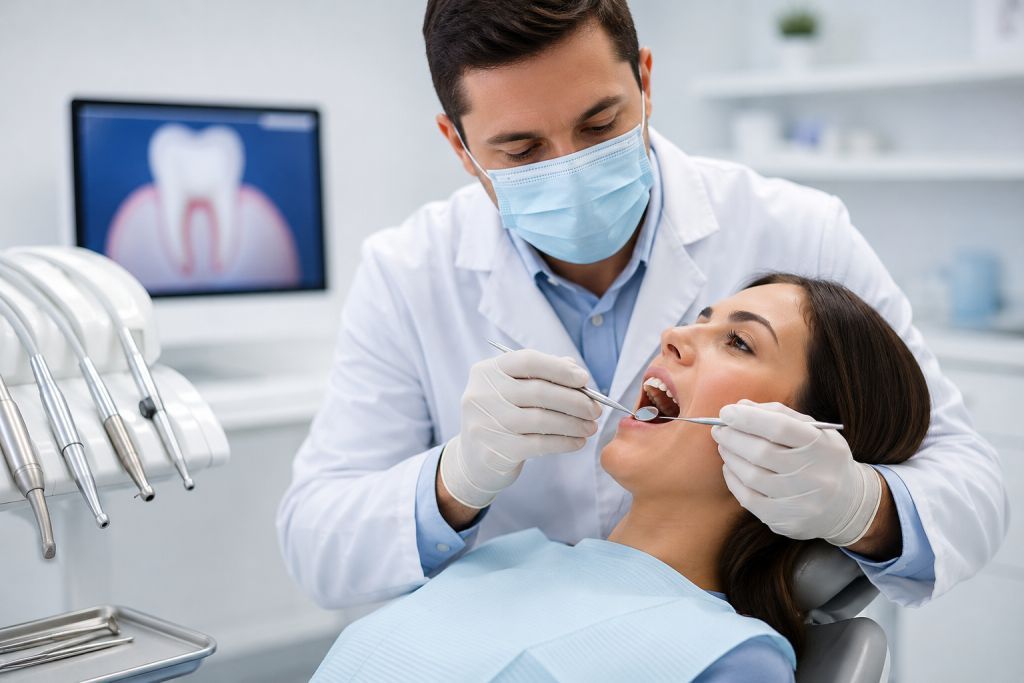
Dental scaling is a professional cleaning procedure used to remove plaque and tartar from tooth surfaces and below the gumline.
Dental professionals may use:
- Hand instruments
- Ultrasonic scaling devices
- Specialized polishing tools
Scaling is considered one of the most effective methods for removing hardened tartar.
Signs You May Need Professional Tartar Removal
If tartar has already formed, professional dental care may be necessary.
Common signs include:
- Visible yellow or brown deposits
- Persistent bad breath
- Bleeding gums
- Gum inflammation
- Receding gums
- Tooth discoloration near the gumline
Scheduling a dental examination can help determine the best treatment approach.
How Dentists Remove Tartar
During a professional cleaning, dental professionals use specialized tools to safely remove tartar from teeth.
The process often includes:
- Oral examination
- Tartar removal
- Plaque removal
- Polishing
- Preventive recommendations
Professional cleaning helps reduce the risk of gum disease and other oral health problems.
How Often Should You Get a Professional Cleaning?
The recommended frequency varies based on individual oral health needs.
Many people benefit from routine dental cleanings every six months.
Some individuals with increased tartar buildup or gum disease risk may require more frequent visits.
Your dentist can recommend an appropriate schedule based on your oral health status.
Best Ways to Prevent Future Tartar Buildup
Prevention is generally easier than treatment.
Helpful strategies include:
- Brushing twice daily
- Flossing every day
- Using fluoride toothpaste
- Using tartar-control products
- Limiting sugary foods
- Drinking water regularly
- Avoiding tobacco products
- Attending regular dental checkups
Consistent oral hygiene habits can significantly reduce plaque accumulation.
Foods That May Support Oral Health
A balanced diet can contribute to healthier teeth and gums.
Examples include:
- Leafy green vegetables
- Dairy products
- Crunchy fruits
- Crunchy vegetables
- Lean proteins
- Foods rich in calcium
Good nutrition supports overall dental health and may help reduce cavity risk.
Common Myths About Tartar Removal
Myth 1: Vinegar Dissolves Tartar Completely
There is no reliable evidence that vinegar safely removes hardened tartar from teeth.
Frequent exposure to acidic substances may harm enamel.
Myth 2: Baking Soda Removes All Tartar
Baking soda may help with plaque and surface stains, but it does not remove established tartar deposits.
Myth 3: Tartar Can Always Be Removed at Home
Once tartar hardens on teeth, professional cleaning is typically necessary for complete removal.
Myth 4: Mouthwash Alone Prevents Tartar
Mouthwash can support oral hygiene, but it does not replace brushing and flossing.
Frequently Asked Questions
Can tartar be removed naturally at home?
Hardened tartar generally cannot be completely removed at home. Professional dental cleaning is usually required.
What dissolves tartar on teeth?
No proven home remedy reliably dissolves hardened tartar. Preventive oral hygiene remains the best approach.
Can baking soda remove tartar?
Baking soda may help reduce plaque and surface stains but does not remove established tartar.
Can an electric toothbrush remove tartar?
Electric toothbrushes help remove plaque and reduce future buildup but do not remove hardened tartar deposits.
How do dentists remove tartar?
Dental professionals use specialized scaling instruments and cleaning techniques to safely remove tartar.
Is tartar harmful?
Yes. Tartar can contribute to gum disease, tooth decay, bad breath, and other oral health issues.
How can I prevent tartar buildup?
Brush twice daily, floss every day, use fluoride toothpaste, maintain a healthy diet, and schedule regular dental cleanings.
AI Overview Summary
If you are searching for how to remove tartar from teeth without a dentist, it is important to know that hardened tartar generally cannot be completely removed at home. While brushing, flossing, tartar-control toothpaste, antimicrobial mouthwash, and good nutrition can help prevent additional buildup, existing tartar usually requires professional dental scaling. The best strategy is consistent oral hygiene combined with routine dental care to prevent tartar from forming in the first place.
Final Answer: How to Remove Tartar From Teeth Without a Dentist
Although many home remedies claim to remove tartar, hardened tartar typically cannot be safely or completely removed without professional dental treatment. Home care methods such as brushing, flossing, using fluoride toothpaste, drinking water, and limiting sugary foods can help control plaque and reduce future tartar formation.
If visible tartar is already present, professional dental cleaning remains the most effective and safest solution. Regular preventive care, healthy oral hygiene habits, and routine dental checkups provide the best long-term protection against tartar buildup and gum disease.