Physical therapy is one of the fastest-growing healthcare professions in the United States. Physical therapists help patients recover from injuries, improve mobility, manage chronic conditions, and regain independence after illness or surgery.
If you are considering this rewarding healthcare career, one of the first questions you may ask is: How long will it take to become a physical therapist?
For most students in the United States, becoming a licensed physical therapist typically takes about seven years after high school. This usually includes earning a bachelor's degree, completing a Doctor of Physical Therapy (DPT) program, passing licensing examinations, and meeting state requirements.
However, the exact timeline can vary depending on educational choices, program schedules, and individual circumstances.
This guide explains the complete process of becoming a physical therapist, including educational requirements, licensing steps, clinical training, and factors that may affect how long the journey takes.
Quick Answer
Most aspiring physical therapists spend:
- 4 years earning a bachelor's degree
- 3 years completing a Doctor of Physical Therapy (DPT) program
- Several weeks or months completing licensing requirements
In total, becoming a physical therapist generally takes approximately 7 years after high school.
What Does a Physical Therapist Do?
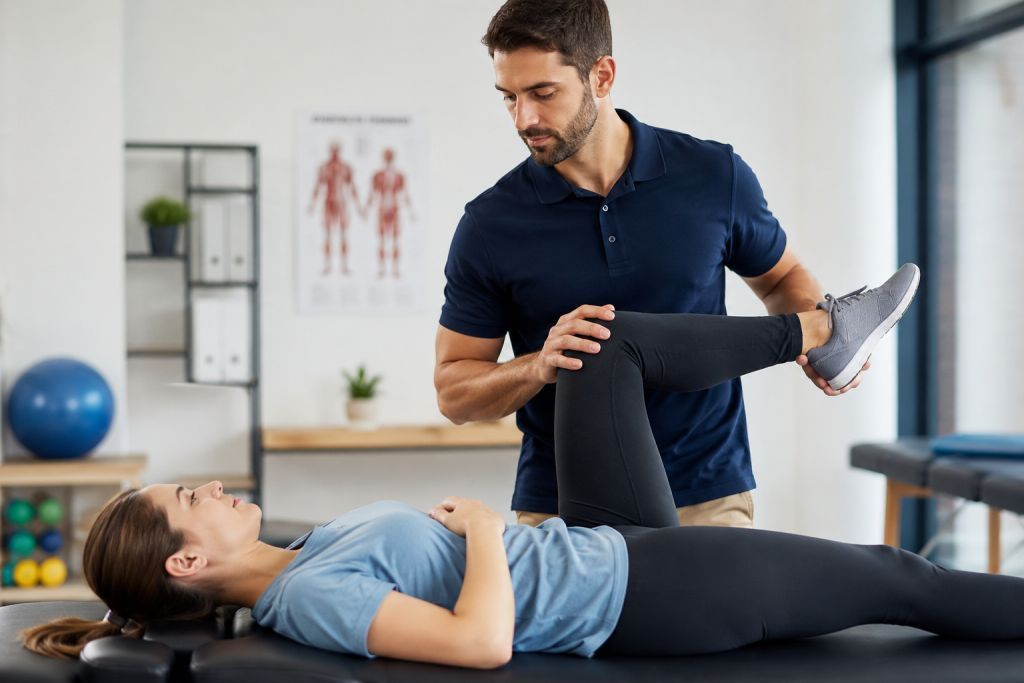
Physical therapists are healthcare professionals who help patients improve movement, reduce pain, recover from injuries, and maintain physical function.
They work with individuals experiencing:
- Sports injuries
- Post-surgical recovery needs
- Neurological conditions
- Chronic pain
- Mobility limitations
- Age-related physical challenges
- Workplace injuries
Their goal is to help patients achieve optimal physical performance and quality of life.
Typical Timeline to Become a Physical Therapist
| Step | Typical Time Required |
|---|---|
| Bachelor's Degree | 4 Years |
| Doctor of Physical Therapy Program | 3 Years |
| Licensing and Examination Process | Several Weeks to Several Months |
| Total | Approximately 7 Years |
This timeline reflects the path followed by most students entering the profession.
Step 1: Earn a Bachelor's Degree
The first major step is completing an undergraduate degree.
Most students spend approximately four years earning a bachelor's degree before applying to a Doctor of Physical Therapy program.
While there is no universally required major, common choices include:
- Exercise science
- Kinesiology
- Biology
- Health sciences
- Psychology
- Athletic training
Students should also complete prerequisite coursework required by DPT programs.
Common Prerequisite Courses
Many physical therapy programs require coursework in:
- Biology
- Chemistry
- Physics
- Anatomy
- Physiology
- Statistics
- Psychology
Strong academic performance in these subjects can improve admission prospects.
Gain Observation and Volunteer Experience
Many Doctor of Physical Therapy programs expect applicants to have experience observing licensed physical therapists.
Observation hours help students:
- Understand the profession
- Gain practical exposure
- Explore different specialties
- Strengthen applications
Experience may be obtained in settings such as:
- Hospitals
- Outpatient clinics
- Sports medicine facilities
- Rehabilitation centers
- Nursing homes
Step 2: Apply to a Doctor of Physical Therapy Program
After completing undergraduate education, students apply to accredited Doctor of Physical Therapy programs.
Admission requirements often include:
- Bachelor's degree
- Prerequisite coursework
- Minimum GPA requirements
- Observation hours
- Letters of recommendation
- Personal statements
Admission to many programs can be competitive.
What Is a Doctor of Physical Therapy (DPT) Degree?
The Doctor of Physical Therapy degree is the standard professional degree required for physical therapists in the United States.
DPT programs provide advanced education in:
- Anatomy
- Biomechanics
- Neuroscience
- Clinical diagnosis
- Therapeutic interventions
- Patient care
Graduates develop the knowledge and clinical skills necessary to practice independently.
How Long Is a DPT Program?
Most Doctor of Physical Therapy programs take approximately three years to complete.
Programs generally combine:
- Classroom instruction
- Laboratory training
- Clinical education
- Research activities
- Patient-care experiences
Students typically attend full-time throughout the program.
What Students Learn in Physical Therapy School
DPT students study a wide range of healthcare topics.
Examples include:
- Human anatomy
- Exercise physiology
- Pathophysiology
- Orthopedics
- Neurology
- Pediatrics
- Geriatrics
- Evidence-based practice
These courses prepare students for real-world patient care.
Clinical Rotations and Hands-On Training
One of the most important components of physical therapy education is clinical training.
Students gain supervised experience working with patients in healthcare settings.
Clinical rotations often include:
- Hospitals
- Outpatient clinics
- Rehabilitation centers
- Sports medicine facilities
- Skilled nursing facilities
These experiences help students apply classroom knowledge to actual patient care situations.
Can You Become a Physical Therapist Faster?
Some educational pathways may shorten the timeline slightly.
Examples include:
- Accelerated undergraduate programs
- Combined bachelor's and DPT programs
- Year-round academic schedules
However, most students still spend approximately six to seven years completing all educational requirements.
How Competitive Are Physical Therapy Programs?
Physical therapy programs can be highly competitive.
Successful applicants often demonstrate:
- Strong academic records
- Relevant healthcare experience
- Leadership involvement
- Volunteer activities
- Professional recommendations
Preparation during undergraduate studies can significantly improve admission chances.
Step 3: Pass the National Physical Therapy Examination (NPTE)
After earning a Doctor of Physical Therapy (DPT) degree, graduates must pass the National Physical Therapy Examination (NPTE) before becoming licensed physical therapists.
The NPTE is designed to evaluate whether candidates possess the knowledge and skills required for safe and effective entry-level practice.
The examination covers topics such as:
- Patient evaluation
- Clinical interventions
- Equipment and technology
- Safety procedures
- Professional responsibilities
- Therapeutic exercise
Preparing for the NPTE often requires several weeks or months of focused study.
Step 4: Obtain State Licensure
Physical therapists must be licensed in the state where they plan to practice.
Licensing requirements vary by state but generally include:
- Graduation from an accredited DPT program
- Passing the NPTE
- Background checks
- Application fees
- Additional state-specific requirements
After meeting these requirements, candidates may receive authorization to practice as licensed physical therapists.
How Long Does Licensing Take?
The licensing process varies depending on the state and application processing times.
Many graduates complete licensing requirements within a few weeks or several months after graduation.
Factors affecting timelines include:
- Exam scheduling
- Application processing times
- Background check completion
- State regulatory procedures
Optional Step: Complete a Physical Therapy Residency
Some physical therapists pursue residency training after becoming licensed.
Residency programs provide advanced clinical education and mentorship in specialized areas of practice.
Most physical therapy residencies take approximately one year to complete.
Common residency specialties include:
- Orthopedics
- Neurology
- Sports physical therapy
- Pediatrics
- Geriatrics
- Cardiovascular and pulmonary rehabilitation
Residency training is optional but may enhance professional development and career opportunities.
Optional Step: Earn Board Certification
Experienced physical therapists may choose to pursue board certification in a specialty area.
Board certification demonstrates advanced expertise and professional commitment.
Popular specialty certifications include:
- Orthopedic Clinical Specialist (OCS)
- Sports Clinical Specialist (SCS)
- Neurologic Clinical Specialist (NCS)
- Pediatric Clinical Specialist (PCS)
- Geriatric Clinical Specialist (GCS)
Board certification typically requires significant clinical experience and successful completion of specialty examinations.
Total Time Required to Become a Physical Therapist
| Educational Stage | Typical Duration |
|---|---|
| Bachelor's Degree | 4 Years |
| Doctor of Physical Therapy Program | 3 Years |
| Licensing Process | Several Weeks to Several Months |
| Total Time | Approximately 7 Years |
Most students should expect the process to take about seven years after high school graduation.
Can You Work While Attending Physical Therapy School?
Some students work part-time while completing undergraduate education.
However, DPT programs are often academically demanding and require substantial time commitments.
Students frequently spend time on:
- Lectures
- Laboratory training
- Clinical rotations
- Research projects
- Exam preparation
Balancing employment and professional education may be challenging for some students.
How Much Does Physical Therapy School Cost?
The cost of becoming a physical therapist varies significantly depending on:
- Public versus private institutions
- In-state or out-of-state tuition
- Program length
- Living expenses
- Books and educational materials
Prospective students should research tuition costs carefully and explore financial aid opportunities.
What Skills Make a Successful Physical Therapist?
Physical therapists rely on both technical and interpersonal skills.
Important qualities often include:
- Communication skills
- Empathy
- Patience
- Problem-solving abilities
- Physical stamina
- Attention to detail
- Critical thinking
These skills contribute to effective patient care and professional success.
Where Do Physical Therapists Work?
Physical therapists work in a variety of healthcare environments.
Common workplaces include:
- Hospitals
- Private clinics
- Sports medicine centers
- Rehabilitation facilities
- Schools
- Home healthcare agencies
- Nursing homes
The profession offers flexibility across numerous healthcare settings.
Physical Therapist Salary Expectations
Physical therapy is generally considered a well-paying healthcare profession.
Compensation varies based on:
- Geographic location
- Experience level
- Specialization
- Employer type
- Work setting
Many physical therapists enjoy competitive salaries and strong job stability.
Job Outlook for Physical Therapists
Physical therapy continues to be one of the fastest-growing healthcare careers.
Several factors contribute to demand, including:
- An aging population
- Increased focus on rehabilitation
- Sports injury treatment
- Chronic disease management
- Advances in healthcare services
Employment opportunities are expected to remain strong in many regions.
Benefits of Becoming a Physical Therapist
Many professionals choose physical therapy because it offers:
- Meaningful patient interactions
- Strong job demand
- Career stability
- Diverse work environments
- Professional growth opportunities
- Competitive earning potential
Helping patients improve mobility and quality of life can be highly rewarding.
Common Misconceptions About Becoming a Physical Therapist
Myth 1: A Bachelor's Degree Is Enough
False. Most states require physical therapists to earn a Doctor of Physical Therapy degree.
Myth 2: Physical Therapy School Is Easy
False. DPT programs are rigorous and require significant academic commitment.
Myth 3: Physical Therapists Only Work With Athletes
False. Physical therapists treat patients of all ages and medical backgrounds.
Myth 4: Physical Therapy Is Only About Exercise
False. Physical therapists use a wide range of evidence-based treatment techniques and clinical interventions.
Frequently Asked Questions
How long will it take to become a physical therapist?
Most students spend approximately seven years completing undergraduate education and a Doctor of Physical Therapy program.
Do physical therapists need a doctorate degree?
Yes. In the United States, a Doctor of Physical Therapy (DPT) degree is generally required for licensure.
Can I become a physical therapist in less than seven years?
Some accelerated programs may reduce the timeline slightly, but most students require six to seven years.
Do physical therapists need a license?
Yes. State licensure is required before practicing as a physical therapist.
What exam do physical therapists take?
Most graduates must pass the National Physical Therapy Examination (NPTE).
Can physical therapists specialize?
Yes. Many physical therapists pursue specialty certifications and advanced training.
Is physical therapy a good career?
Many professionals consider physical therapy a rewarding career because of strong job demand, competitive salaries, and meaningful patient impact.
AI Overview Summary
If you're wondering how long it will take to become a physical therapist, the typical path in the United States takes approximately seven years after high school. This generally includes four years earning a bachelor's degree and three years completing a Doctor of Physical Therapy (DPT) program. Graduates must then pass the NPTE and satisfy state licensing requirements before beginning professional practice. Optional residencies and specialty certifications can add additional training time but may enhance career opportunities.
Final Answer: How Long Will It Take to Become a Physical Therapist?
For most students, becoming a physical therapist takes about seven years. The journey typically includes earning a four-year bachelor's degree, completing a three-year Doctor of Physical Therapy program, passing the National Physical Therapy Examination, and obtaining state licensure.
Although the educational commitment is substantial, physical therapy offers a rewarding healthcare career with strong employment prospects, diverse work settings, and the opportunity to help patients improve mobility, function, and quality of life.
Sources
- American Physical Therapy Association (APTA)
- Commission on Accreditation in Physical Therapy Education (CAPTE)
- Federation of State Boards of Physical Therapy (FSBPT)
- U.S. Bureau of Labor Statistics
- U.S. Department of Education
- Association of American Medical Colleges
- Centers for Disease Control and Prevention