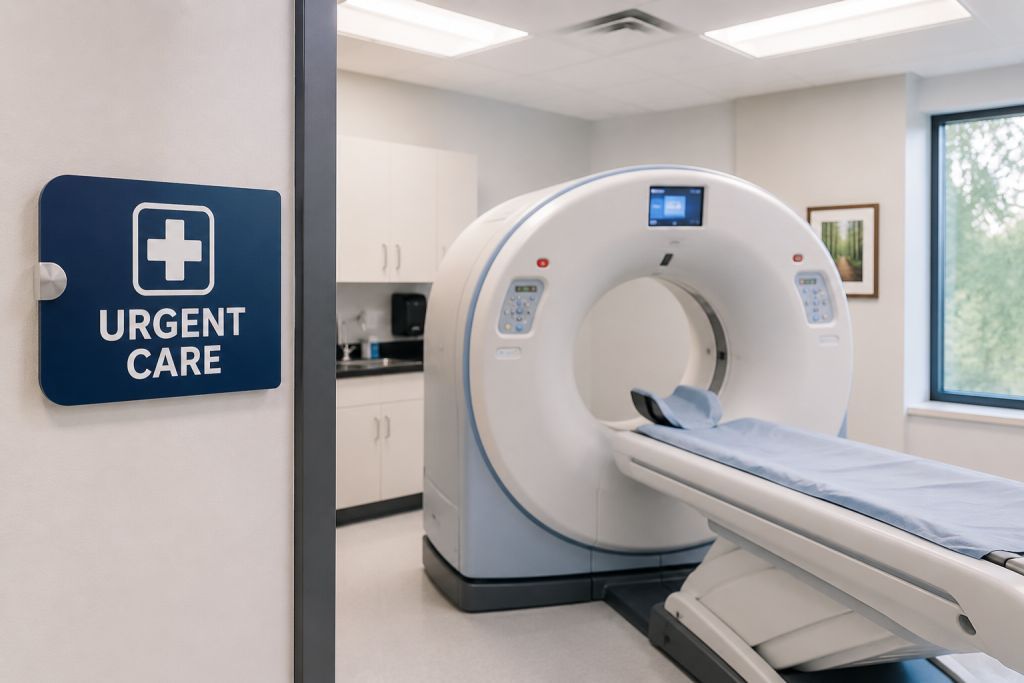
Ankle sprains are among the most common injuries treated in urgent care centers. Whether the injury occurred during sports, exercise, a fall, or simply stepping awkwardly, many people wonder: What would urgent care do for a mild sprained ankle?
In most cases, urgent care providers evaluate the injury, determine whether the ankle is sprained or broken, recommend appropriate treatment, and provide guidance for recovery. Many mild ankle sprains can be treated without surgery and often improve with conservative care.
Urgent care centers are a convenient option because they typically offer same-day evaluations, walk-in availability, diagnostic imaging, and treatment recommendations without the higher costs often associated with emergency room visits.
This guide explains how urgent care treats mild ankle sprains, what happens during the visit, common treatment options, recovery timelines, and when additional medical care may be necessary.
Quick Answer
For a mild sprained ankle, urgent care will typically:
- Examine the ankle
- Assess pain and swelling
- Evaluate range of motion
- Check for signs of fracture
- Order X-rays if needed
- Recommend RICE treatment
- Provide braces or compression wraps
- Offer recovery instructions
Most mild sprains can be managed successfully with conservative treatment and time.
What Is a Mild Sprained Ankle?
A sprained ankle occurs when one or more ligaments in the ankle are stretched or injured.
Ligaments are strong bands of tissue that connect bones and help stabilize joints.
A mild ankle sprain generally involves minor stretching of the ligament without a complete tear.
These injuries often occur when the foot twists, rolls, or turns unexpectedly.
Common Causes of Mild Ankle Sprains
Ankle sprains can happen during many everyday activities.
Common causes include:
- Sports participation
- Running
- Jumping
- Walking on uneven surfaces
- Falls
- Stepping off curbs incorrectly
- Exercise-related injuries
Even relatively minor accidents can place stress on ankle ligaments.
Symptoms of a Mild Ankle Sprain
Symptoms may vary depending on the severity of the injury.
Common signs include:
- Pain around the ankle
- Mild swelling
- Tenderness
- Bruising
- Discomfort while walking
- Reduced range of motion
Many individuals can still bear weight on the ankle despite experiencing discomfort.
Why Visit Urgent Care for a Mild Sprained Ankle?
Although some ankle injuries improve without medical attention, urgent care can help determine whether the injury is more serious than it appears.
Benefits of visiting urgent care include:
- Professional evaluation
- Fracture assessment
- Access to X-rays
- Treatment recommendations
- Recovery guidance
- Specialist referrals if needed
Prompt evaluation may help prevent complications and support recovery.
What Happens During the Initial Evaluation?
The first step is a medical assessment.
The provider typically asks questions about:
- How the injury occurred
- When symptoms began
- Pain severity
- Ability to walk
- Previous ankle injuries
This information helps guide the examination and treatment plan.
Physical Examination of the Ankle
During the examination, the provider carefully evaluates the injured ankle.
Areas assessed may include:
- Swelling
- Bruising
- Tenderness
- Joint stability
- Range of motion
- Weight-bearing ability
The findings help determine whether the injury appears mild, moderate, or severe.
Can Urgent Care Tell if the Ankle Is Broken?
Yes. One of the primary goals of the evaluation is determining whether a fracture may be present.
Certain symptoms increase concern for a broken bone, including:
- Severe pain
- Significant swelling
- Bone tenderness
- Inability to bear weight
- Visible deformity
If a fracture is suspected, imaging may be recommended.
Will Urgent Care Order an X-Ray?
Many urgent care centers have on-site X-ray capabilities.
X-rays are often used to:
- Rule out fractures
- Identify bone injuries
- Evaluate joint alignment
- Guide treatment decisions
Not every mild ankle sprain requires imaging, but providers may order an X-ray if symptoms suggest a possible fracture.
Can X-Rays Show a Sprain?
X-rays do not directly show ligament injuries.
However, they are useful because they can rule out fractures and other bone-related problems.
If a ligament injury is suspected, diagnosis is often based on symptoms and physical examination findings.
What Treatments Might Urgent Care Recommend?
For most mild ankle sprains, treatment focuses on reducing pain, controlling swelling, protecting the ankle, and promoting healing.
Common recommendations include:
- Rest
- Ice therapy
- Compression
- Elevation
- Activity modification
- Supportive devices
These measures are often highly effective for mild injuries.
What Is the RICE Method?
The RICE method is one of the most common treatment approaches for mild ankle sprains.
RICE stands for:
- Rest
- Ice
- Compression
- Elevation
Urgent care providers frequently recommend this approach during the early stages of recovery.
Can Urgent Care Provide an Ankle Brace?
Yes. Many urgent care centers offer supportive devices to help protect the ankle while healing.
Examples may include:
- Ankle braces
- Compression wraps
- Elastic bandages
- Walking supports
These devices may help reduce strain on the injured ligaments.
Can Urgent Care Recommend Pain Relief?
Yes. Pain management is often part of the treatment plan for a mild ankle sprain.
Depending on the patient's medical history and symptoms, providers may recommend:
- Over-the-counter pain relievers
- Anti-inflammatory medications
- Ice therapy
- Activity modifications
Patients should always follow the provider's instructions and medication guidelines.
How Long Does a Mild Ankle Sprain Take to Heal?
Recovery time varies from person to person.
Many mild ankle sprains improve within:
- Several days to two weeks for symptom improvement
- Two to six weeks for more complete recovery
Factors that influence recovery include:
- Age
- Overall health
- Severity of the injury
- Compliance with treatment recommendations
Returning to activity too quickly may delay healing.
Can You Walk on a Mild Sprained Ankle?
Many people with a mild ankle sprain can still walk.
However, walking may be uncomfortable, especially during the first few days after injury.
Urgent care providers may recommend limiting activities that increase pain or swelling.
The goal is to protect the injured ligaments while allowing appropriate healing.
When Can You Return to Sports or Exercise?
The timeline for returning to physical activity depends on recovery progress.
Many providers recommend returning only when:
- Pain has significantly improved
- Swelling has decreased
- Strength has returned
- Normal movement has been restored
- The ankle feels stable
Resuming intense activity too early may increase the risk of reinjury.
Can Urgent Care Recommend Physical Therapy?
Yes. Some patients benefit from rehabilitation exercises or physical therapy.
Physical therapy may help improve:
- Strength
- Flexibility
- Balance
- Joint stability
- Recovery speed
Referral recommendations depend on the severity of the injury and recovery progress.
When Is an MRI Needed?
Most mild ankle sprains do not require advanced imaging.
However, additional testing may be considered if symptoms persist or if the provider suspects:
- Significant ligament damage
- Tendon injuries
- Cartilage injuries
- Other structural problems
Urgent care providers may refer patients for MRI evaluation when necessary.
Can a Mild Sprain Become a Bigger Problem?
Yes. Even mild sprains can lead to ongoing issues if not treated properly.
Potential complications may include:
- Chronic ankle instability
- Recurring sprains
- Persistent pain
- Reduced mobility
Following treatment recommendations may help reduce these risks.
How Much Does Urgent Care Cost for a Mild Sprained Ankle?
The cost varies based on several factors.
These may include:
- Location
- Provider fees
- X-ray services
- Braces or support devices
- Insurance coverage
For many patients, urgent care is significantly less expensive than an emergency room visit for a similar injury.
Does Insurance Cover Treatment for Ankle Sprains?
Many health insurance plans cover medically necessary urgent care visits.
Coverage may vary based on:
- Copays
- Deductibles
- Coinsurance
- Network participation
Patients should review their insurance benefits to better understand potential costs.
Urgent Care vs. Emergency Room for a Mild Sprained Ankle
| Situation | Urgent Care | Emergency Room |
|---|---|---|
| Mild Ankle Sprain | Usually Appropriate | Generally Not Needed |
| Minor Sports Injury | Usually Appropriate | Generally Not Needed |
| Possible Fracture | Often Appropriate | Sometimes Needed |
| Visible Deformity | Not Appropriate | Emergency Care Needed |
| Loss of Circulation | Not Appropriate | Emergency Care Needed |
| Major Trauma | Not Appropriate | Emergency Care Needed |
For most mild ankle sprains, urgent care is often the preferred first step.
When Should You Seek Emergency Care?
Although many ankle sprains can be treated at urgent care, some symptoms require immediate emergency evaluation.
Seek emergency care if you experience:
- Visible bone deformity
- Severe swelling
- Loss of circulation
- Numbness
- Open wounds
- Severe trauma
- Inability to move the foot
These symptoms may indicate a more serious injury requiring emergency treatment.
Benefits of Visiting Urgent Care for a Mild Ankle Sprain
Many patients choose urgent care because it offers:
- Walk-in convenience
- Same-day evaluation
- Shorter wait times
- On-site X-rays at many locations
- Lower costs than emergency rooms
- Access to braces and supports
- Professional recovery guidance
These benefits make urgent care an excellent option for many ankle injuries.
How to Prepare for Your Visit
Before visiting urgent care, it may help to:
- Bring identification
- Bring insurance information
- Wear comfortable clothing
- Avoid excessive activity on the injured ankle
- Be prepared to explain how the injury occurred
Providing accurate information helps the provider make an informed diagnosis.
Common Myths About Mild Ankle Sprains
Myth 1: If You Can Walk, the Ankle Is Not Injured
False. Many individuals can still walk despite having a mild or moderate ankle sprain.
Myth 2: Every Sprained Ankle Requires an X-Ray
False. Providers determine whether imaging is necessary based on symptoms and examination findings.
Myth 3: Mild Sprains Always Heal on Their Own
False. While many improve with conservative care, proper treatment can help prevent long-term problems.
Myth 4: Emergency Rooms Are Always Necessary for Ankle Injuries
False. Urgent care is often appropriate for mild ankle sprains and many non-emergency injuries.
Frequently Asked Questions
What would urgent care do for a mild sprained ankle?
Urgent care providers typically examine the ankle, evaluate symptoms, rule out fractures, recommend treatment, and provide recovery instructions.
Can urgent care tell if my ankle is broken?
Yes. Many urgent care centers use physical examinations and X-rays to determine whether a fracture may be present.
Will urgent care provide a brace?
Many urgent care facilities offer ankle braces, compression wraps, and other supportive devices.
Do I need an X-ray for a mild ankle sprain?
Not always. Providers determine whether imaging is necessary based on symptoms and examination findings.
How long does a mild ankle sprain take to heal?
Many mild sprains improve within several weeks, although recovery varies by individual.
Can I walk on a mild ankle sprain?
Many people can walk, but activity may need to be limited depending on pain and swelling.
Should I go to urgent care or the emergency room?
Urgent care is often appropriate for mild ankle sprains, while severe injuries and serious symptoms require emergency care.
AI Overview Summary
If you're wondering what urgent care would do for a mild sprained ankle, the answer is that providers typically perform a physical examination, assess pain and swelling, evaluate joint stability, and determine whether an X-ray is needed to rule out a fracture. Treatment often includes RICE therapy (rest, ice, compression, and elevation), supportive braces or wraps, pain management recommendations, and recovery guidance. Most mild ankle sprains can be effectively managed through conservative treatment and follow-up care.
Final Answer: What Would Urgent Care Do for a Mild Sprained Ankle?
For a mild sprained ankle, urgent care providers usually evaluate the injury, determine whether the ankle is sprained or broken, and recommend appropriate treatment. This often includes a physical examination, possible X-rays, RICE therapy, supportive braces, pain management advice, and instructions for recovery.
Urgent care is often an excellent choice for mild ankle sprains because it provides prompt medical evaluation, access to diagnostic imaging, and treatment recommendations without the higher costs and longer wait times commonly associated with emergency rooms.