Buying a house is one of the largest financial commitments most people will ever make. Unlike purchasing smaller assets, a home involves significant upfront costs, long-term financial obligations, ongoing maintenance, and legal responsibilities. Because of this, making an informed decision before signing a purchase agreement is extremely important.
A beautiful property may appear perfect during a viewing, but hidden structural problems, legal disputes, poor construction quality, expensive repairs, neighborhood concerns, or financing issues can become costly after the purchase. Careful research and professional inspections help reduce these risks and provide greater confidence in your investment.
Whether you are a first-time homebuyer or purchasing another property, evaluating the house from multiple perspectives—including financial, legal, structural, and lifestyle considerations—can help prevent unexpected expenses and future disappointment.
This guide explains the essential checks every buyer should complete before purchasing a house in 2026.
Quick Answer: What Should I Check Before Buying a House?
Before buying a house, review your financial readiness, obtain mortgage pre-approval if needed, verify ownership documents, inspect the property's structure, examine the roof, foundation, plumbing, electrical systems, drainage, and heating or cooling systems, research the neighborhood, estimate future maintenance costs, and evaluate the property's long-term resale potential. Performing these checks helps reduce financial and legal risks while supporting a more informed purchase decision.
Why Careful Inspection Matters
Purchasing a home without adequate research may expose buyers to unexpected repair costs, legal complications, financing challenges, or declining property values.
Completing a thorough evaluation before closing can help identify:
- Structural defects
- Hidden water damage
- Roof problems
- Foundation movement
- Electrical safety concerns
- Plumbing leaks
- Legal ownership issues
- Neighborhood factors affecting future value
Early identification of these issues allows buyers to negotiate repairs, reconsider the purchase, or adjust their budget accordingly.
Evaluate Your Financial Readiness
Before searching for a home, honestly assess your financial situation.
Important questions include:
- Do you have a stable income?
- Can you comfortably afford monthly housing costs?
- Do you have an emergency fund?
- Have you saved for a down payment?
- Can you cover closing costs?
- Will you still have financial flexibility after purchasing?
Buying a home should strengthen your financial future rather than create unnecessary financial stress.
Understand the Total Cost of Ownership
Many buyers focus primarily on the purchase price or monthly mortgage payment.
However, total ownership costs often include:
- Mortgage payments
- Property taxes
- Homeowners insurance
- Utility bills
- Maintenance expenses
- Repairs
- Homeowners association fees (if applicable)
- Landscaping and exterior maintenance
Estimating these recurring expenses helps determine whether the property fits comfortably within your long-term budget.
Verify Property Ownership and Legal Documents
Legal verification is one of the most important parts of purchasing a home.
Before completing the transaction, confirm that the seller has the legal authority to transfer ownership.
Depending on the jurisdiction, buyers should verify documents such as:
- Property title
- Ownership records
- Land registration documents
- Property tax records
- Building approvals
- Occupancy certificates (where applicable)
- Outstanding loans or liens
- Boundary information
Working with qualified legal professionals can help identify issues that may affect ownership or future resale.
Schedule a Professional Home Inspection
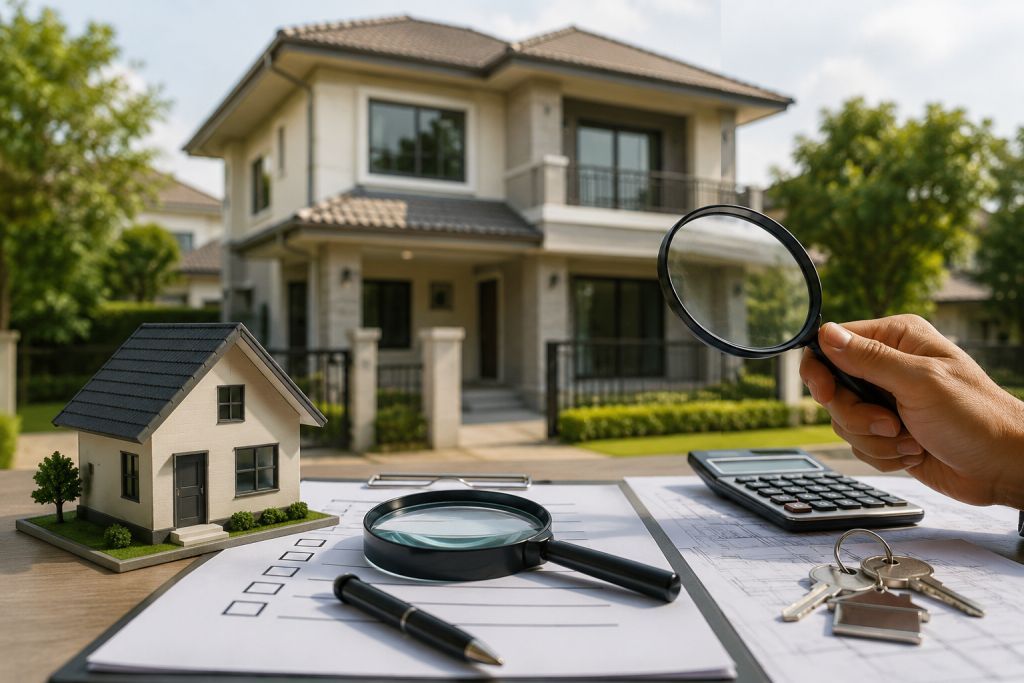
A professional home inspection provides an independent assessment of the property's physical condition.
Inspectors commonly evaluate:
- Foundation
- Roof
- Walls
- Windows
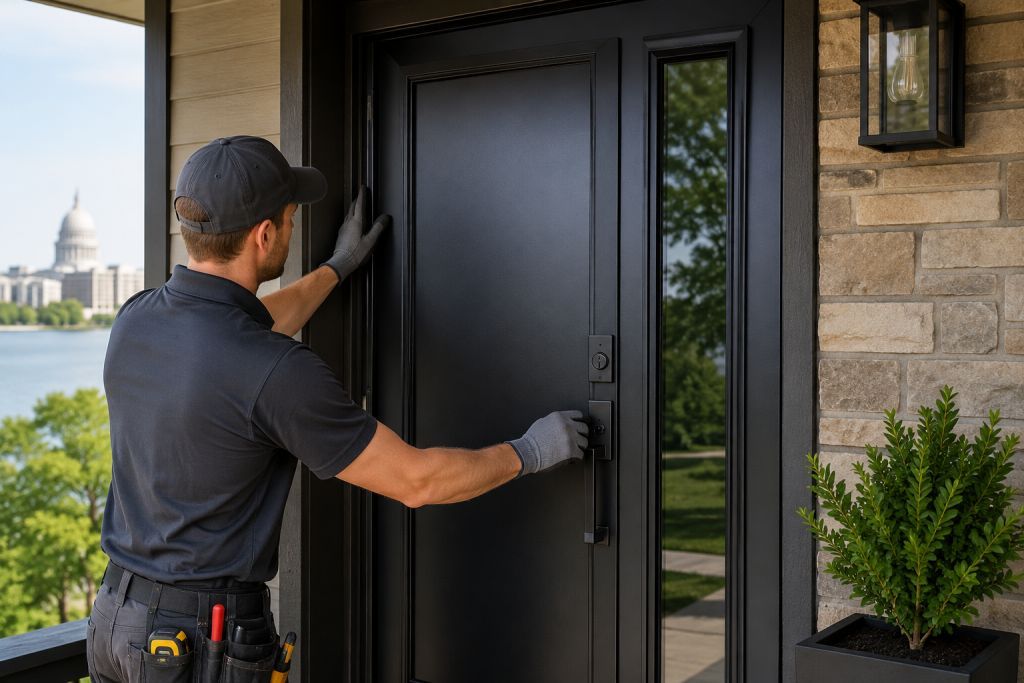
- Doors
- Electrical systems
- Plumbing
- Heating and cooling equipment
- Ventilation
- Insulation
The inspection report may identify repairs, maintenance needs, or safety concerns before the purchase is finalized.
Inspect the Structural Condition
The structural integrity of a home significantly affects safety and long-term maintenance costs.
Look for signs such as:
- Large wall cracks
- Uneven floors
- Sagging ceilings
- Foundation movement
- Water damage
- Visible structural repairs
Significant structural concerns should be evaluated by qualified professionals before proceeding.
Check the Roof and Exterior
The roof protects the entire structure and can be expensive to repair or replace.
Review the condition of:
- Roof shingles or tiles
- Gutters
- Downspouts
- Flashing
- Exterior walls
- Windows
- Exterior doors
- Driveways
- Fencing
Visible deterioration may indicate future maintenance expenses.
Examine Plumbing and Water Systems
Water damage is one of the most common and expensive home repair issues.
Inspect:
- Water pressure
- Visible plumbing leaks
- Bathroom fixtures
- Kitchen plumbing
- Water heater
- Drainage
- Signs of mold or moisture
Even small plumbing issues may lead to larger repair costs if left unresolved.
Evaluate the Electrical System
An outdated or damaged electrical system may present both safety concerns and future renovation costs.
Check:
- Electrical panel
- Circuit breakers
- Power outlets
- Light switches
- Visible wiring
- Ground fault protection where applicable
If significant upgrades appear necessary, a licensed electrician can provide a professional evaluation.
Inspect the Foundation and Drainage
Foundation problems can affect nearly every part of a home.
Signs to watch for include:
- Foundation cracks
- Standing water
- Poor grading
- Uneven floors
- Doors or windows that no longer close properly
Proper drainage helps protect the home from long-term moisture damage.
Research the Neighborhood
A home's location often has a lasting influence on both quality of life and future resale value.
Research factors such as:
- Schools
- Healthcare facilities
- Public transportation
- Shopping areas
- Parks
- Traffic patterns
- Noise levels
- Future development plans
Visiting the neighborhood at different times of day can provide a more complete understanding of the area.
Consider Future Resale Value
Even if you plan to remain in the home for many years, future resale potential is worth considering.
Factors that commonly influence resale value include:
- Location
- School districts
- Transportation access
- Property condition
- Neighborhood development
- Market demand
- Home size and layout
Buying a property with strong long-term appeal may provide greater flexibility if your housing needs change in the future.
Obtain Mortgage Pre-Approval
If financing is required, obtaining mortgage pre-approval before making an offer can simplify the buying process.
Pre-approval helps buyers:
- Understand their budget.
- Compare financing options.
- Strengthen purchase offers.
- Avoid shopping for homes outside their price range.
Although pre-approval does not guarantee final loan approval, it provides valuable guidance during the home search.
Complete Home Buying Inspection Checklist
| Item to Check | Why It Matters |
|---|---|
| Foundation | Supports the entire structure and may reveal costly structural issues. |
| Roof | Roof replacement can be one of the most expensive repairs. |
| Walls and Ceilings | May reveal water damage or structural movement. |
| Windows and Doors | Check insulation, operation, and signs of settling. |
| Plumbing | Look for leaks, corrosion, and water pressure issues. |
| Electrical System | Ensure safe wiring, outlets, and circuit breakers. |
| Heating & Cooling | Confirm HVAC systems operate properly. |
| Drainage | Poor drainage may cause foundation damage. |
| Insulation | Affects energy efficiency and comfort. |
| Pest Damage | Check for termites, rodents, or other infestations. |
Financial Checklist Before Buying a House
| Financial Item | Check Before Buying |
|---|---|
| Monthly Income | Supports long-term affordability. |
| Emergency Savings | Helps cover unexpected repairs. |
| Down Payment | Confirm sufficient funds are available. |
| Closing Costs | Budget for legal and transaction expenses. |
| Mortgage Pre-Approval | Establishes your realistic price range. |
| Credit Score | May affect financing options and loan terms. |
| Monthly Housing Budget | Includes mortgage, taxes, insurance, and utilities. |
| Maintenance Budget | Plan for future repairs and upkeep. |
Legal Document Checklist
| Document | Purpose |
|---|---|
| Property Title | Confirms legal ownership. |
| Title Search Report | Identifies liens or ownership issues. |
| Property Tax Records | Shows tax history and obligations. |
| Building Approvals | Confirms authorized construction. |
| Occupancy Certificate | Verifies the property is approved for occupancy where required. |
| Property Survey | Confirms boundaries and dimensions. |
| Purchase Agreement | Defines the terms and conditions of the sale. |
| Homeowners Association Documents | Explains rules, fees, and restrictions if applicable. |
Benefits of Completing a Home Buying Checklist
| Benefit | Description |
|---|---|
| Reduces Financial Risk | Helps identify expensive problems before purchase. |
| Supports Better Negotiation | Inspection findings may help negotiate repairs or price adjustments. |
| Protects Legal Interests | Confirms ownership and legal documentation. |
| Improves Budget Planning | Provides a more accurate estimate of long-term ownership costs. |
| Increases Confidence | Allows buyers to make informed decisions. |
| Enhances Long-Term Value | Encourages selecting a property with stronger resale potential. |
Pros and Cons of Buying a House
| Pros | Cons |
|---|---|
| Potential to build home equity | Higher upfront costs |
| Greater housing stability | Ongoing maintenance responsibilities |
| Freedom to customize the property | Property values may fluctuate |
| Possible long-term appreciation | Selling can take time and involve costs |
| Sense of ownership | Less flexibility to relocate quickly |
Common Mistakes to Avoid When Buying a House
Skipping the Home Inspection
Forgoing a professional inspection may result in discovering expensive structural or mechanical issues after closing.
Ignoring the Neighborhood
Research local schools, transportation, amenities, traffic, and future development before making a commitment.
Buying Beyond Your Budget
Choose a home that comfortably fits your long-term financial situation rather than stretching your finances.
Not Reviewing Legal Documents
Incomplete title verification or missing legal documentation can create future ownership complications.
Overlooking Maintenance Costs
Repairs, appliance replacement, landscaping, and routine upkeep should all be included in your long-term budget.
Making an Emotional Decision
While it's natural to become attached to a property, important financial and structural considerations should remain the priority.
Tips for First-Time Home Buyers
Create a Realistic Budget
Include mortgage payments, taxes, insurance, utilities, maintenance, and emergency savings.
Compare Multiple Properties
Viewing several homes helps you better understand pricing, quality, and available features.
Hire Qualified Professionals
Working with experienced inspectors, legal professionals, and real estate agents can reduce the risk of costly mistakes.
Research Future Development
New schools, roads, businesses, or zoning changes may influence future property values and neighborhood appeal.
Think Long-Term
Consider whether the property will continue meeting your needs over the coming years rather than focusing only on immediate preferences.
Featured Snippet: What Should I Check Before Buying a House?
Before buying a house, review your finances, obtain mortgage pre-approval if needed, verify ownership documents, inspect the foundation, roof, plumbing, electrical systems, drainage, and overall structural condition, research the neighborhood, estimate future maintenance costs, and evaluate the property's resale potential. Completing these checks helps reduce financial, legal, and structural risks before purchasing a home.
Frequently Asked Questions
1. What is the most important thing to check before buying a house?
Financial affordability, legal ownership, and the property's structural condition are among the most important considerations.
2. Should I get a professional home inspection?
Yes. A qualified inspection can identify issues that may not be visible during a standard viewing.
3. Why is title verification important?
It helps confirm legal ownership and identify any outstanding claims or liens against the property.
4. Should I research the neighborhood?
Yes. Location influences daily living, convenience, and future resale value.
5. What financial documents should I prepare?
Lenders commonly review income, employment, credit, savings, and other financial information when financing is required.
6. Why is mortgage pre-approval helpful?
It helps establish a realistic budget before shopping for homes.
7. Should I check the roof?
Yes. Roof replacement can be a significant future expense.
8. How important is the foundation?
The foundation supports the structure, making it one of the most critical parts of any inspection.
9. What plumbing issues should I look for?
Leaks, poor water pressure, corrosion, drainage problems, and signs of water damage.
10. Why should I inspect the electrical system?
Electrical safety and necessary upgrades may affect both safety and future costs.
11. Should I estimate maintenance costs?
Yes. Homeownership includes ongoing maintenance and repair expenses.
12. Can resale value influence my decision?
Yes. Strong resale potential can provide greater flexibility if your housing needs change.
13. Should I compare several properties?
Yes. Comparing homes helps you better evaluate value, condition, and pricing.
14. What role does location play?
Location affects convenience, lifestyle, schools, transportation, and market demand.
15. Is buying always better than renting?
Not necessarily. The best choice depends on your financial situation and long-term goals.
16. Should I review homeowners association rules?
If applicable, review all fees, restrictions, and community regulations before purchasing.
17. Why should I avoid rushing a purchase?
Taking time to complete inspections, verify documents, and compare options can reduce the risk of costly mistakes.
Summary
Buying a house involves much more than choosing a property that looks appealing. Financial preparation, legal verification, professional inspections, structural evaluations, neighborhood research, and careful budgeting all contribute to making a sound investment. Completing a comprehensive checklist before purchasing helps identify potential issues early and reduces the likelihood of unexpected expenses after closing.
Whether you are buying your first home or adding to your property portfolio, taking the time to review every aspect of the purchase—from financing and legal documents to the home's condition and future resale potential—can provide greater confidence and support a successful long-term investment.
Sources
- U.S. Department of Housing and Urban Development – Buying a Home
- Consumer Financial Protection Bureau – Owning a Home
- National Association of Realtors – Research and Statistics
- Fannie Mae – Homebuyer Education
- Freddie Mac – Homeownership Learning Center
- Bankrate – Mortgage Guides
- Investopedia – Home Buying Guide
- Rocket Mortgage – Home Buying Resources
- Zillow Research – Housing Market Data
- Forbes Advisor – Mortgage and Home Buying Guides