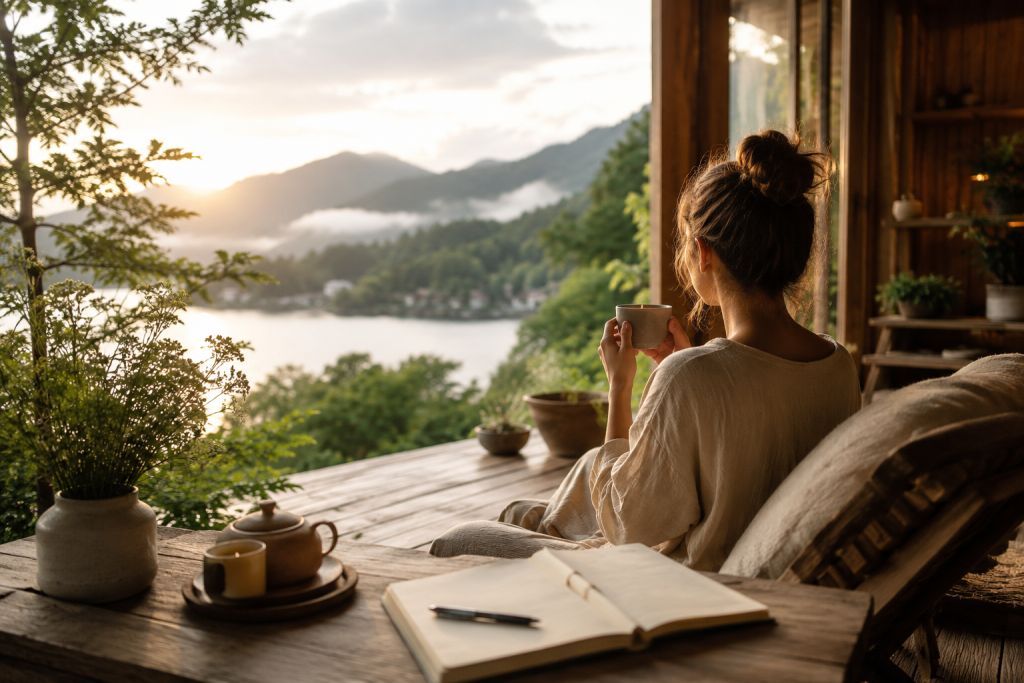
Modern life often feels like a race. Many people spend their days rushing from one responsibility to another, constantly checking notifications, juggling work demands, managing schedules, and trying to keep up with endless expectations. While technology and productivity tools have made life more efficient in many ways, they have also contributed to a culture of busyness that leaves many people feeling stressed, overwhelmed, and disconnected.
As a result, a growing number of individuals are embracing a different approach known as Slow Living. This lifestyle movement encourages people to step away from constant busyness and focus on living more intentionally. Rather than trying to do more, Slow Living emphasizes doing what matters most with greater awareness and purpose.
Contrary to what the name suggests, Slow Living is not about moving slowly all the time or avoiding ambition. Instead, it is about creating a life that aligns with your values, priorities, and well-being. It involves making conscious choices about how you spend your time, energy, money, and attention.
As concerns about burnout, mental health, work-life balance, and digital overload continue to grow, Slow Living has become one of the most influential lifestyle trends in recent years. People from all walks of life are discovering that slowing down can actually lead to greater happiness, productivity, and fulfillment.
This guide explores what Slow Living means, where it came from, why it has become so popular, and how it can help create a more meaningful life.
Quick Answer: What Is Slow Living?
Slow Living is a lifestyle philosophy that encourages intentional living, mindful decision-making, and focusing on quality over quantity. It involves reducing unnecessary busyness, prioritizing what truly matters, and creating a balanced life centered around well-being, relationships, and meaningful experiences.
Rather than rushing through life, Slow Living encourages people to be more present and purposeful in their daily activities.
The Origins of the Slow Living Movement
The roots of Slow Living can be traced back to the broader "Slow Movement," which began in the 1980s.
The movement gained attention after the creation of the Slow Food movement in Italy. Slow Food emerged as a response to fast food culture and promoted local ingredients, traditional cooking methods, and enjoying meals without rushing.
Over time, the philosophy expanded beyond food into other areas of life, including:
- Work
- Travel
- Parenting
- Fashion
- Personal development
- Home design
- Wellness
Today, Slow Living represents a broader approach to life that encourages intentional choices and sustainable lifestyles.
Why Slow Living Is Becoming More Popular
The growing popularity of Slow Living reflects changing attitudes toward success, productivity, and happiness.
| Factor | Impact |
|---|---|
| Burnout | Increased desire for balance |
| Digital Overload | Need for mental space |
| Mental Health Awareness | Focus on well-being |
| Remote Work | Reevaluation of priorities |
| Minimalism | Interest in simplicity |
| Wellness Trends | Greater focus on quality of life |
Many people have realized that constantly doing more does not always lead to greater happiness.
The Core Principles of Slow Living
Although each person's version of Slow Living may look different, several core principles are commonly shared.
1. Intentional Living
Intentional living is at the heart of Slow Living.
This means making conscious choices about:
- How you spend your time
- Where your energy goes
- What commitments you accept
- How you define success
Rather than operating on autopilot, people practicing Slow Living aim to align their daily actions with their values.
2. Quality Over Quantity
Slow Living emphasizes quality instead of excess.
This mindset can apply to:
- Relationships
- Possessions
- Experiences
- Food
- Work
- Personal goals
Instead of constantly pursuing more, individuals focus on appreciating what they already have.
3. Being Present
Modern distractions often pull attention away from the present moment.
Slow Living encourages mindfulness and awareness by helping people:
- Enjoy daily experiences
- Reduce multitasking
- Practice gratitude
- Focus on meaningful interactions
Being present often leads to greater enjoyment and fulfillment.
4. Simplifying Life
Many Slow Living advocates intentionally simplify various aspects of their lives.
This may include:
- Reducing clutter
- Simplifying schedules
- Limiting unnecessary commitments
- Reducing digital distractions
- Practicing mindful consumption
Simplicity often creates more space for what truly matters.
Slow Living Is Not About Laziness
One of the most common misconceptions is that Slow Living promotes laziness or lack of ambition.
In reality, many people who practice Slow Living are highly productive and successful.
The difference is that they often focus on:
- Meaningful work
- Sustainable productivity
- Long-term well-being
- Healthy boundaries
- Purpose-driven goals
Slow Living does not reject achievement. It simply questions whether constant busyness is necessary for success.
How Slow Living Differs from Hustle Culture
| Hustle Culture | Slow Living |
|---|---|
| Always busy | Intentional pace |
| Productivity focused | Fulfillment focused |
| Constant pressure | Balanced lifestyle |
| Achievement first | Well-being first |
| Burnout risk | Sustainable growth |
This contrast is one reason Slow Living resonates with so many people today.
The Relationship Between Slow Living and Mental Health
Many people are drawn to Slow Living because of its positive impact on mental well-being.
Potential mental health benefits include:
- Reduced stress
- Lower anxiety
- Improved focus
- Better emotional regulation
- Greater self-awareness
- Increased life satisfaction
While Slow Living is not a replacement for professional mental health care, many individuals find that slowing down helps create a healthier relationship with work, technology, and daily responsibilities.
Slow Living and Relationships
One of the most valuable aspects of Slow Living is its emphasis on meaningful human connection.
Instead of constantly rushing from one task to another, people often create more space for:
- Family time
- Friendships
- Community involvement
- Meaningful conversations
- Shared experiences
These connections often contribute significantly to happiness and fulfillment.
Why Younger Generations Are Embracing Slow Living
Millennials and Generation Z have played a major role in popularizing Slow Living.
Many younger adults have witnessed the effects of:
- Workplace burnout
- Digital overload
- Economic uncertainty
- Mental health challenges
- Constant social comparison
As a result, they are increasingly interested in lifestyles that prioritize balance, wellness, authenticity, and intentionality over traditional definitions of success.
The Slow Living Framework
| Life Area | Slow Living Focus | Desired Outcome |
|---|---|---|
| Health | Mindful wellness habits | Better physical and mental health |
| Work | Purpose-driven productivity | Reduced burnout |
| Relationships | Quality connections | Stronger emotional support |
| Home | Simplicity and comfort | Peaceful environment |
| Technology | Intentional usage | Less digital overwhelm |
| Finances | Mindful spending | Financial stability |
| Personal Growth | Continuous learning | Long-term fulfillment |
Benefits of Slow Living
| Benefit | Description |
|---|---|
| Reduced Stress | Less pressure from constant busyness. |
| Better Mental Health | Improved emotional well-being and resilience. |
| Greater Life Satisfaction | More appreciation for daily experiences. |
| Improved Relationships | More time for meaningful connections. |
| Higher Focus | Reduced distractions and multitasking. |
| Better Work-Life Balance | Healthier separation between work and personal life. |
Pros and Cons of Slow Living
| Pros | Cons |
|---|---|
| Promotes well-being | Requires lifestyle adjustments |
| Reduces burnout | Can feel difficult initially |
| Improves relationships | May conflict with some work cultures |
| Encourages mindfulness | Requires setting boundaries |
| Creates sustainable routines | Results develop gradually |
How to Practice Slow Living
1. Simplify Your Schedule
One of the easiest ways to begin Slow Living is by reducing unnecessary commitments.
Ask yourself:
- What activities truly matter?
- What obligations can be reduced?
- Where am I spending energy unnecessarily?
Creating space in your schedule often leads to greater clarity and peace.
2. Focus on One Thing at a Time
Modern culture encourages multitasking, but research consistently shows that constantly switching tasks reduces efficiency.
Slow Living encourages:
- Single-tasking
- Deep focus
- Being present
- Completing tasks intentionally
This approach often improves both productivity and enjoyment.
3. Reduce Digital Overload
Technology can be valuable, but constant notifications and screen time can increase stress.
Consider:
- Turning off unnecessary notifications
- Scheduling screen-free periods
- Reducing social media use
- Creating technology boundaries
Digital simplicity is a common Slow Living practice.
4. Prioritize Meaningful Experiences
Slow Living encourages investing in experiences that add value to life.
Examples include:
- Family activities
- Travel experiences
- Learning opportunities
- Creative hobbies
- Community involvement
Meaningful experiences often contribute more to happiness than accumulating possessions.
5. Practice Mindfulness
Mindfulness helps people become more aware of the present moment.
This may involve:
- Meditation
- Deep breathing
- Journaling
- Mindful eating
- Nature walks
Mindfulness is one of the strongest foundations of Slow Living.
Daily Habits That Support Slow Living
- Starting the day without immediately checking your phone
- Taking regular breaks
- Eating meals without distractions
- Spending time outdoors
- Reading instead of endless scrolling
- Practicing gratitude
- Creating evening wind-down routines
- Decluttering regularly
- Scheduling time for hobbies
- Maintaining healthy sleep habits
These simple habits help create a more intentional daily rhythm.
Common Misconceptions About Slow Living
Myth #1: Slow Living Means Being Unproductive
Slow Living often improves productivity by reducing distractions and increasing focus.
Myth #2: Slow Living Is Only for Retired People
People of all ages can practice Slow Living principles regardless of career or lifestyle.
Myth #3: It Means Doing Everything Slowly
Slow Living is about intentionality, not speed.
Myth #4: You Must Move to the Countryside
Many people practice Slow Living successfully in cities and busy environments.
Myth #5: It Requires Wealth
Most Slow Living principles involve mindset shifts rather than expensive lifestyle changes.
Signs You Might Need More Slow Living in Your Life
- You constantly feel rushed.
- You struggle with burnout.
- You rarely feel present.
- You spend excessive time on screens.
- You feel overwhelmed by commitments.
- You have little time for relationships.
- You feel disconnected from your priorities.
Recognizing these signs can help identify areas where Slow Living principles may be beneficial.
Slow Living in the Future
As awareness of burnout, mental health challenges, and digital overload continues to grow, Slow Living is expected to remain a major lifestyle trend.
Future developments may include:
- Greater workplace flexibility
- Increased focus on wellness
- More mindful technology use
- Growth of minimalist lifestyles
- Stronger emphasis on work-life balance
The movement reflects a broader shift toward quality of life rather than constant productivity.
Featured Snippet: What Is Slow Living and Why Is It Popular?
Slow Living is a lifestyle philosophy that encourages intentional living, mindful decision-making, and focusing on what truly matters. It has become popular because many people are seeking alternatives to burnout, stress, digital overload, and constant busyness. Slow Living promotes balance, well-being, meaningful relationships, and greater life satisfaction.
Frequently Asked Questions
1. What is Slow Living?
Slow Living is a lifestyle focused on intentionality, balance, mindfulness, and meaningful living.
2. Why is Slow Living popular?
Many people are looking for healthier alternatives to stress, burnout, and hustle culture.
3. Does Slow Living mean being lazy?
No. It focuses on purposeful action rather than constant activity.
4. Can busy professionals practice Slow Living?
Yes. Slow Living principles can be adapted to nearly any lifestyle.
5. What is the goal of Slow Living?
To create a more balanced, fulfilling, and intentional life.
6. Is Slow Living connected to minimalism?
They share similarities, particularly around simplicity and intentional choices.
7. Can Slow Living reduce stress?
Many people find that it significantly improves stress management.
8. How does Slow Living affect productivity?
It often improves focus and efficiency by reducing distractions.
9. Does Slow Living require major lifestyle changes?
No. Small adjustments can have meaningful impacts.
10. Is mindfulness part of Slow Living?
Yes. Mindfulness is one of its core principles.
11. Can Slow Living improve relationships?
Yes. It encourages spending more quality time with others.
12. How does technology fit into Slow Living?
Technology is used intentionally rather than constantly.
13. Is Slow Living expensive?
No. Many practices involve simplifying rather than spending more.
14. What are common Slow Living habits?
Mindfulness, journaling, healthy routines, gratitude, and digital boundaries.
15. Is Slow Living a long-term lifestyle?
For many people, it becomes a sustainable lifelong approach.
16. Can Slow Living support mental health?
Many people report improved emotional well-being and reduced stress.
17. What makes Slow Living different from hustle culture?
Slow Living prioritizes balance and fulfillment rather than constant productivity.
Summary
Slow Living is more than a trend—it is a philosophy that encourages people to live with greater awareness, intention, and balance. Rather than measuring success solely through productivity or achievement, it emphasizes well-being, meaningful relationships, personal values, and quality experiences.
Its growing popularity reflects a widespread desire for healthier ways of living in a fast-paced world. By simplifying daily life, reducing unnecessary stress, practicing mindfulness, and focusing on what truly matters, people can create a lifestyle that feels more fulfilling, sustainable, and rewarding.
Sources
- Slow Food International – Origins of the Slow Movement
- Psychology Today – Mindfulness and Well-Being
- Greater Good Science Center – Mindfulness Research
- Harvard Health Publishing – Stress Management Resources
- American Psychological Association – Stress and Wellness
- World Health Organization (WHO) – Mental Health and Well-Being
- Mind – Wellbeing and Lifestyle Resources
- Positive Psychology – Mindfulness and Intentional Living
- Mayo Clinic – Stress Management and Healthy Living
- Healthline – Mindful Living and Wellness Guide