In a world filled with constant notifications, endless entertainment, social media distractions, and increasing demands on our attention, maintaining focus has become one of the biggest challenges of modern life. Many people struggle to stay productive, build good habits, or make meaningful progress toward their goals because their attention is constantly being pulled in multiple directions.
As a result, a growing number of people have turned to a self-improvement strategy known as Monk Mode. Popular among entrepreneurs, students, creators, athletes, and personal development enthusiasts, Monk Mode is designed to help individuals eliminate distractions and concentrate intensely on what matters most.
The concept has gained significant popularity across YouTube, productivity communities, self-improvement blogs, and social media platforms. Supporters claim that Monk Mode can dramatically improve focus, discipline, productivity, fitness, financial growth, and overall life direction.
However, questions remain. What exactly is Monk Mode? Is it realistic? Can ordinary people benefit from it? And perhaps most importantly, does Monk Mode actually work?
This guide explores the philosophy behind Monk Mode, its origins, core principles, and the science behind why focused periods of self-improvement can often produce remarkable results.
Quick Answer: What Is Monk Mode?
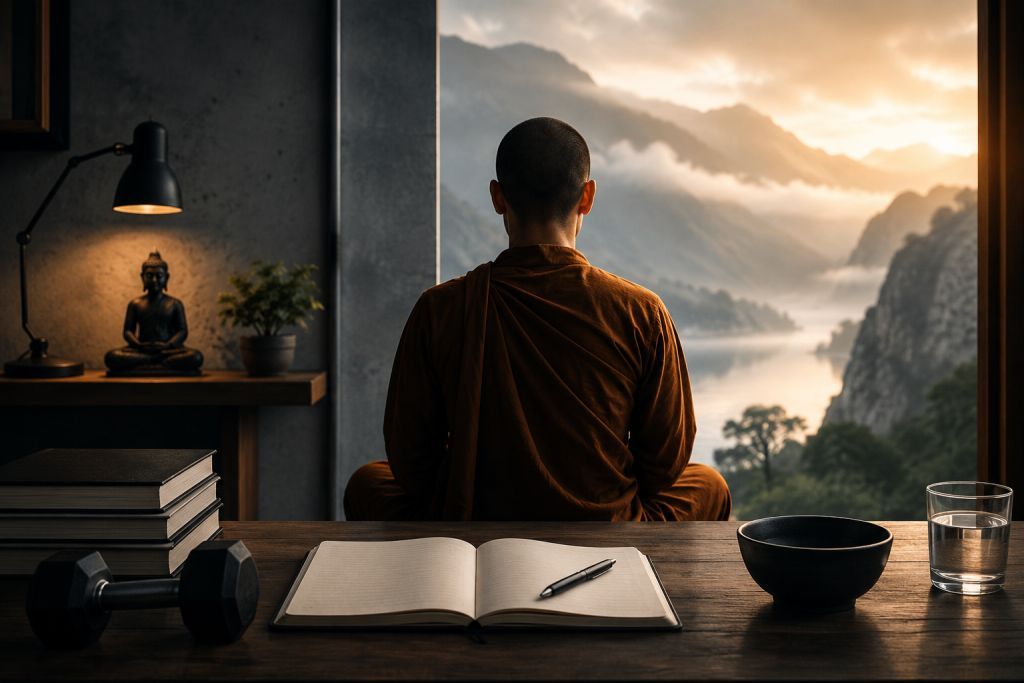
Monk Mode is a temporary period of intense focus and self-discipline during which a person deliberately removes distractions and dedicates their time, energy, and attention toward achieving specific goals. It often involves limiting social media, reducing entertainment, avoiding unnecessary commitments, and prioritizing productive habits.
The goal is to create an environment where meaningful progress becomes easier and distractions become less influential.
Why Is It Called Monk Mode?
The term "Monk Mode" comes from the idea of adopting a lifestyle similar to the focused and disciplined routines often associated with monks.
While modern Monk Mode is not connected to religious practices, it borrows several principles commonly associated with monastic life:
- Discipline
- Simplicity
- Focus
- Intentional living
- Self-control
- Limited distractions
The concept encourages temporarily stepping away from nonessential activities to prioritize personal growth and achievement.
The Rise of Monk Mode in Modern Culture
Monk Mode gained popularity as a response to increasing digital distractions and productivity challenges.
Several factors contributed to its rise:
| Factor | Impact |
|---|---|
| Social Media | Reduced attention spans |
| Digital Overload | Constant distractions |
| Productivity Culture | Interest in self-improvement |
| Remote Work | Need for self-discipline |
| Entrepreneurship | Focus on performance |
| Personal Development | Growing demand for better habits |
As attention became one of the most valuable resources in modern life, people began searching for ways to protect it.
The Core Principles of Monk Mode
Although there is no single official version of Monk Mode, most approaches follow several key principles.
1. Eliminate Distractions
The first step is identifying and reducing distractions that interfere with progress.
Common distractions include:
- Social media
- Video streaming
- Excessive gaming
- Constant notifications
- Unnecessary browsing
- Time-wasting activities
The purpose is not to remove enjoyment forever but to create a period of focused effort.
2. Focus on High-Value Goals
Monk Mode encourages concentrating on a small number of meaningful objectives.
Examples include:
- Building a business
- Learning a skill
- Improving fitness
- Advancing a career
- Writing a book
- Saving money
- Passing an important exam
Instead of spreading energy across dozens of priorities, Monk Mode emphasizes concentration.
3. Build Discipline
Discipline is one of the foundations of Monk Mode.
Participants often commit to:
- Consistent routines
- Daily habits
- Regular exercise
- Structured schedules
- Goal tracking
The objective is to strengthen self-control and create positive momentum.
4. Simplify Your Environment
A cluttered environment often contributes to a cluttered mind.
Many people practicing Monk Mode simplify:
- Their workspace
- Their schedule
- Their digital environment
- Their commitments
Reducing unnecessary complexity can improve focus and decision-making.
What Does a Typical Monk Mode Look Like?
Every individual creates their own version of Monk Mode, but common rules include:
- No social media
- Limited entertainment
- Daily exercise
- Reading regularly
- Early wake-up times
- Focused work sessions
- Journaling
- Goal tracking
- Healthy eating
- Consistent sleep schedule
Some people adopt strict versions, while others use more flexible approaches.
Why Monk Mode Appeals to So Many People
The appeal of Monk Mode is simple: many people feel overwhelmed by distractions.
Modern technology provides constant access to information and entertainment, but it also creates challenges such as:
- Reduced attention spans
- Procrastination
- Information overload
- Difficulty focusing
- Mental fatigue
Monk Mode offers a structured solution that helps people regain control over their time and attention.
The Psychology Behind Monk Mode
Several psychological principles help explain why Monk Mode can be effective.
Reduced Decision Fatigue
Every decision consumes mental energy. By creating routines and reducing distractions, Monk Mode reduces the number of unnecessary decisions people make each day.
Improved Focus
When distractions decrease, attention naturally improves. Deep focus often leads to higher-quality work and faster progress.
Habit Formation
Monk Mode encourages consistent behaviors, which increases the likelihood of building long-term habits.
Delayed Gratification
The practice often strengthens the ability to prioritize long-term rewards over short-term pleasures.
This skill is strongly associated with personal and professional success.
Does Monk Mode Actually Work?
For many people, the answer is yes.
Monk Mode can be highly effective because it addresses one of the biggest barriers to achievement: distraction.
People often report improvements in:
- Productivity
- Focus
- Discipline
- Fitness
- Financial habits
- Learning speed
- Mental clarity
However, results depend heavily on how the system is implemented. Unrealistically strict rules can sometimes lead to burnout or abandonment. Sustainable versions of Monk Mode tend to produce the best long-term outcomes.
Who Can Benefit from Monk Mode?
Monk Mode can be useful for:
- Students preparing for exams
- Entrepreneurs building businesses
- Professionals pursuing career growth
- Creators working on major projects
- Individuals improving fitness
- Anyone seeking better focus and discipline
The flexibility of the concept allows it to be adapted to different lifestyles and goals.
The Monk Mode Framework
| Area | Monk Mode Focus | Expected Outcome |
|---|---|---|
| Focus | Eliminate distractions | Deep work and concentration |
| Health | Exercise and nutrition | Improved energy |
| Mindset | Discipline and consistency | Mental resilience |
| Learning | Skill development | Faster growth |
| Finances | Reduce unnecessary spending | Financial progress |
| Productivity | Priority-based work | Better results |
| Personal Growth | Daily improvement | Long-term success |
Benefits of Monk Mode
| Benefit | Description |
|---|---|
| Improved Focus | Fewer distractions allow deeper concentration. |
| Higher Productivity | More time spent on meaningful work. |
| Better Discipline | Develops stronger self-control. |
| Healthier Habits | Encourages exercise, sleep, and nutrition. |
| Faster Goal Achievement | Focused effort often accelerates progress. |
| Mental Clarity | Reduced noise and distractions improve thinking. |
Pros and Cons of Monk Mode
| Pros | Cons |
|---|---|
| Boosts productivity | Can feel restrictive |
| Improves discipline | Requires strong commitment |
| Reduces distractions | May reduce social activities temporarily |
| Supports personal growth | Extreme versions may cause burnout |
| Creates better habits | Not always sustainable if overly strict |
How to Start Monk Mode
Step 1: Define a Clear Goal
Monk Mode works best when focused on a specific objective.
Examples include:
- Launching a business
- Losing weight
- Learning a new skill
- Passing an exam
- Improving finances
- Building a side hustle
Without a clear goal, it becomes difficult to maintain motivation.
Step 2: Identify Your Biggest Distractions
Most people already know what steals their attention.
- Social media
- YouTube rabbit holes
- Gaming
- Streaming platforms
- Unnecessary notifications
- Excessive phone use
Removing these distractions creates more time for meaningful work.
Step 3: Create Non-Negotiable Rules
Examples include:
- No social media for 30 days
- Exercise every day
- Read 20 pages daily
- Wake up before 7 AM
- Track goals every evening
Clear rules reduce decision fatigue.
Step 4: Build a Daily Schedule
Successful Monk Mode participants usually structure their days intentionally.
A schedule helps ensure that important tasks receive dedicated attention.
Step 5: Track Progress
Tracking daily habits creates accountability and motivation.
Simple tracking methods include:
- Habit trackers
- Journals
- Spreadsheets
- Goal dashboards
30-Day Monk Mode Plan
Week 1: Eliminate Distractions
- Delete distracting apps
- Turn off notifications
- Create a focused workspace
- Set goals
Week 2: Build Core Habits
- Exercise daily
- Improve sleep schedule
- Read regularly
- Track progress
Week 3: Deep Work Focus
- Schedule uninterrupted work sessions
- Prioritize important projects
- Reduce multitasking
- Increase productivity blocks
Week 4: Optimize and Review
- Evaluate progress
- Adjust routines
- Strengthen habits
- Prepare for long-term consistency
This gradual approach is often more effective than attempting an extreme transformation overnight.
Common Monk Mode Mistakes
Trying to Change Everything at Once
Too many rules often lead to frustration and failure.
Setting Unrealistic Expectations
Meaningful growth requires time and consistency.
Ignoring Recovery
Rest, sleep, and mental recovery are essential for sustainable performance.
Being Too Extreme
Highly restrictive versions of Monk Mode can sometimes create unnecessary stress.
Focusing Only on Productivity
Health, relationships, and well-being should not be completely ignored.
Common Misconceptions About Monk Mode
Myth #1: Monk Mode Means Isolation
Most people practicing Monk Mode still maintain healthy relationships and responsibilities.
Myth #2: Monk Mode Is Only for Entrepreneurs
Students, professionals, athletes, and creatives can all benefit from focused periods of self-improvement.
Myth #3: More Restrictions Always Mean Better Results
Moderate and sustainable Monk Mode plans often outperform extreme versions.
Myth #4: Monk Mode Guarantees Success
Monk Mode improves the likelihood of progress but cannot guarantee outcomes.
Myth #5: Monk Mode Is Permanent
Most people use Monk Mode as a temporary challenge lasting 30, 60, or 90 days.
Who Should Avoid Extreme Monk Mode?
Highly restrictive versions may not be suitable for everyone.
You may want a balanced approach if:
- You already struggle with burnout
- You have significant caregiving responsibilities
- You have limited flexibility in your schedule
- You tend toward perfectionism
A customized version often produces better long-term results than a rigid one-size-fits-all plan.
Featured Snippet: What Is Monk Mode and Does It Work?
Monk Mode is a self-improvement strategy that involves temporarily eliminating distractions and focusing intensely on personal goals, productivity, discipline, and growth. It can be highly effective for improving focus, building better habits, and achieving meaningful progress when implemented realistically and consistently.
Frequently Asked Questions
1. What is Monk Mode?
Monk Mode is a period of intense focus and self-discipline designed to accelerate personal growth.
2. Does Monk Mode work?
For many people, yes. It can improve focus, productivity, and discipline.
3. How long should Monk Mode last?
Common durations include 30, 60, and 90 days.
4. Is Monk Mode suitable for beginners?
Yes. Beginners often start with a simplified version.
5. What is the main goal of Monk Mode?
To eliminate distractions and focus on meaningful objectives.
6. Do I need to quit social media completely?
Not necessarily, but reducing usage often improves results.
7. Is Monk Mode only about productivity?
No. It often includes health, learning, finances, and personal development.
8. Can Monk Mode improve discipline?
Yes. Consistent routines strengthen self-control.
9. Should I exercise during Monk Mode?
Exercise is commonly included because it supports energy and focus.
10. What are the biggest distractions people remove?
Social media, excessive entertainment, and unnecessary screen time.
11. Can students benefit from Monk Mode?
Absolutely. It is often used for exam preparation and skill development.
12. Is Monk Mode healthy?
Balanced versions are generally healthier than extreme approaches.
13. Can Monk Mode help with fitness goals?
Yes. Many people use it to establish workout and nutrition routines.
14. Does Monk Mode improve mental clarity?
Many participants report greater focus and reduced mental clutter.
15. Can I customize my Monk Mode rules?
Yes. Personalization often improves sustainability.
16. What is the biggest mistake people make?
Trying to adopt too many restrictions at once.
17. Is Monk Mode worth trying?
For individuals seeking better focus and discipline, it can be a highly valuable experiment.
Summary
Monk Mode has become one of the most popular self-improvement strategies because it addresses a common modern challenge: distraction. By reducing unnecessary inputs and concentrating energy on meaningful goals, many people experience significant improvements in productivity, focus, discipline, fitness, and personal growth.
Although Monk Mode is not a magic solution, it can be remarkably effective when approached realistically. The most successful participants focus on sustainable habits, clear goals, and consistent action rather than extreme restrictions. Whether your goal is career advancement, financial improvement, skill development, or personal transformation, a well-designed Monk Mode challenge can provide the structure needed to make meaningful progress.
Sources
- James Clear – Focus, Habits, and Productivity
- James Clear – Atomic Habits Resources
- American Psychological Association – Stress and Self-Control Research
- Harvard Health Publishing – Focus and Mental Performance
- Centers for Disease Control and Prevention (CDC) – Healthy Lifestyle Habits
- National Institutes of Health (NIH) – Health and Behavior Resources
- Positive Psychology – Self-Discipline and Goal Achievement
- Mind Tools – Time Management and Focus Strategies
- Mayo Clinic – Stress Management and Healthy Habits
- Healthline – Improving Focus and Concentration