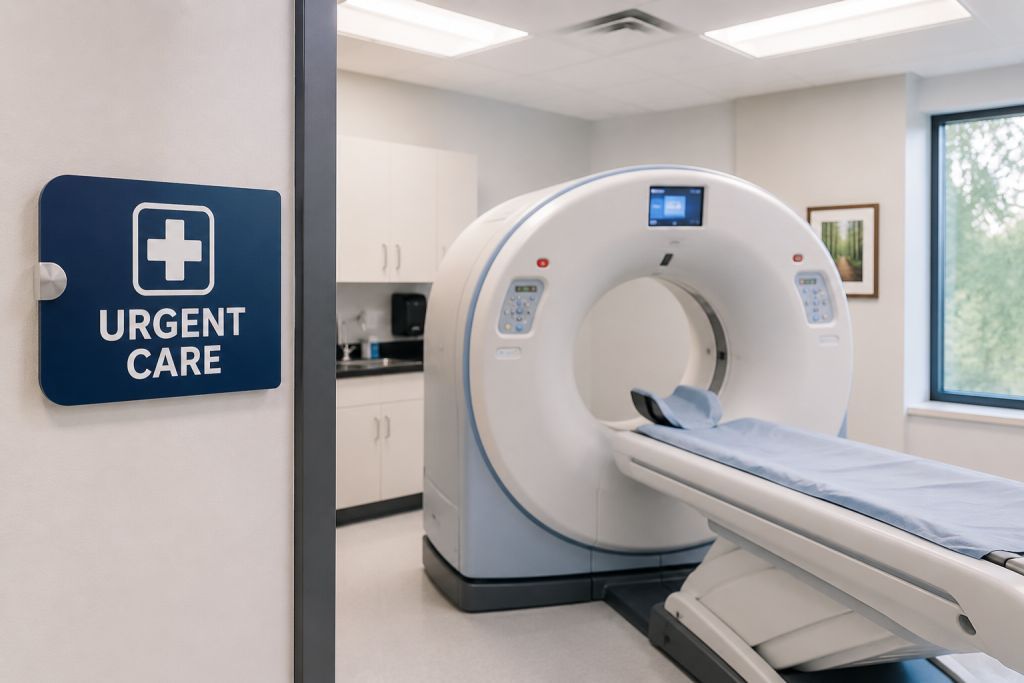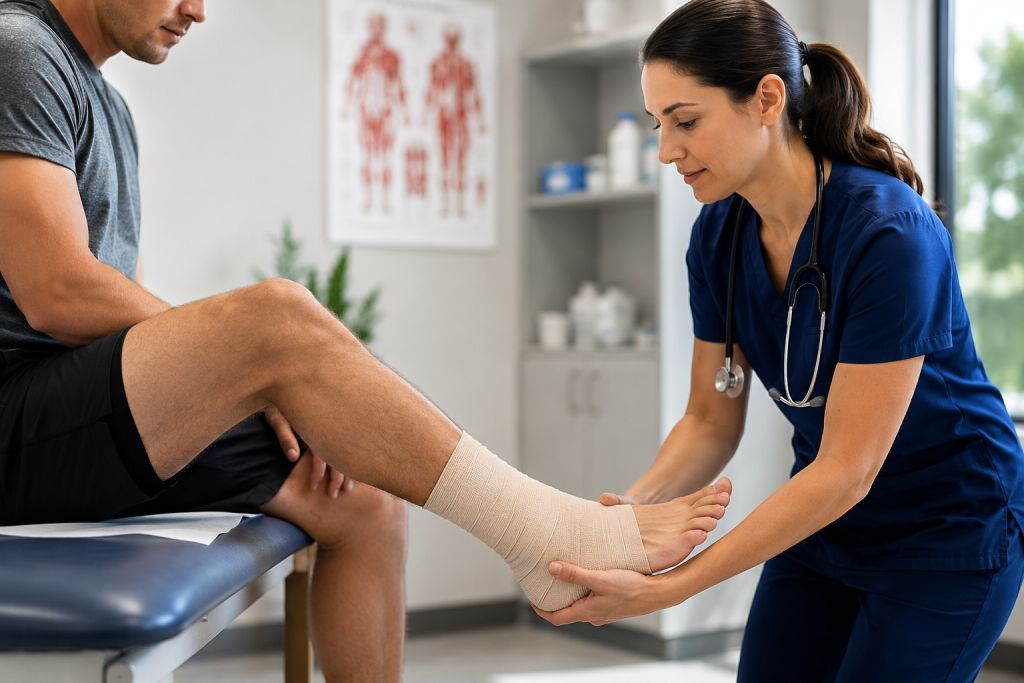
Soft tissue injuries are among the most common reasons people seek medical care after sports accidents, workplace incidents, falls, and everyday activities. If you experience pain, swelling, bruising, or limited movement after an injury, you may wonder: Is urgent care good for soft tissue injuries?
In many cases, the answer is yes. Urgent care centers are often well-equipped to evaluate and treat many types of soft tissue injuries, including sprains, strains, bruises, minor tendon injuries, and certain muscle injuries.
Urgent care facilities provide same-day medical evaluation, diagnostic services, treatment recommendations, and referrals when necessary. For many non-life-threatening injuries, urgent care can be a convenient and cost-effective alternative to an emergency room visit.
This guide explains what soft tissue injuries are, how urgent care treats them, what services are available, and when emergency medical attention may be necessary.
Quick Answer
Yes, urgent care is often an excellent option for many soft tissue injuries.
Urgent care centers commonly treat:
- Sprains
- Strains
- Bruises
- Minor tendon injuries
- Sports injuries
- Overuse injuries
- Minor joint injuries
Providers can evaluate the injury, recommend treatment, order imaging when needed, and refer patients to specialists for more serious conditions.
What Is a Soft Tissue Injury?
A soft tissue injury affects structures in the body that are not bones.
These structures include:
- Muscles
- Tendons
- Ligaments
- Fascia
- Connective tissues
Soft tissue injuries can occur suddenly through trauma or gradually through repetitive stress and overuse.
Common Types of Soft Tissue Injuries
There are several different categories of soft tissue injuries.
Sprains
A sprain occurs when a ligament is stretched or torn.
Common locations include:
- Ankles
- Wrists
- Knees
- Thumbs
Sprains often cause pain, swelling, bruising, and difficulty moving the affected joint.
Strains
A strain involves injury to a muscle or tendon.
Strains commonly affect:
- Back muscles
- Hamstrings
- Shoulders
- Neck muscles
Symptoms may include pain, weakness, muscle spasms, and reduced mobility.
Bruises (Contusions)
Bruises occur when small blood vessels beneath the skin are damaged.
Symptoms may include:
- Discoloration
- Tenderness
- Swelling
- Pain
Tendon Injuries
Tendons connect muscles to bones.
Minor tendon injuries may often be evaluated and treated at urgent care centers.
Overuse Injuries
Repeated stress on muscles, tendons, or ligaments can cause inflammation and pain over time.
Examples include:
- Tennis elbow
- Golfer's elbow
- Certain shoulder injuries
- Runner-related injuries
How Soft Tissue Injuries Occur
Soft tissue injuries can happen in many situations.
Common causes include:
- Sports activities
- Falls
- Exercise accidents
- Workplace injuries
- Vehicle accidents
- Repetitive movements
- Heavy lifting
The severity of the injury often depends on the force involved and the affected body part.
Why Choose Urgent Care for Soft Tissue Injuries?
Urgent care centers offer several advantages for non-emergency injuries.
Benefits may include:
- Walk-in availability
- Same-day care
- Shorter wait times
- Lower costs than many emergency rooms
- Access to diagnostic services
- Treatment recommendations
These features make urgent care a practical option for many injured patients.
Can Urgent Care Diagnose Soft Tissue Injuries?
Yes. Urgent care providers routinely evaluate soft tissue injuries.
The evaluation typically includes:
- Medical history review
- Physical examination
- Assessment of pain and swelling
- Range-of-motion testing
- Injury mechanism evaluation
This information helps determine the severity of the injury and the best course of treatment.
Can Urgent Care Perform X-Rays?
Many urgent care centers offer on-site X-ray services.
Although X-rays cannot directly visualize most soft tissues, they can help providers:
- Rule out fractures
- Identify dislocations
- Evaluate bone injuries
- Guide treatment decisions
X-rays are often ordered when symptoms suggest a possible broken bone.
Can Urgent Care Diagnose Torn Ligaments?
Urgent care providers can often suspect ligament injuries based on symptoms and physical examination findings.
However, severe ligament tears may require advanced imaging such as:
- MRI scans
- Ultrasound imaging
- Orthopedic evaluation
If necessary, the provider may refer the patient to a specialist.
Can Urgent Care Diagnose Muscle Tears?
Yes. Providers can evaluate possible muscle injuries and determine whether further testing is needed.
Symptoms of muscle tears may include:
- Sudden pain
- Weakness
- Swelling
- Bruising
- Limited movement
Severe tears may require specialist consultation or advanced imaging.
Can Urgent Care Treat Sports Injuries?
Yes. Sports injuries are among the most common conditions treated at urgent care centers.
Examples include:
- Ankle sprains
- Knee injuries
- Shoulder strains
- Muscle pulls
- Joint injuries
- Impact-related bruises
Urgent care providers can evaluate the injury and recommend appropriate treatment.
What Treatments Does Urgent Care Provide?
Treatment depends on the type and severity of the injury.
Common treatment options include:
- Rest recommendations
- Ice therapy guidance
- Compression wraps
- Elevation recommendations
- Pain management advice
- Activity modifications
- Immobilization devices
Many soft tissue injuries improve with conservative treatment and proper recovery time.
Understanding the RICE Method
One of the most common treatment approaches for soft tissue injuries is the RICE method.
RICE stands for:
- Rest – Avoid activities that worsen the injury.
- Ice – Apply cold packs to help reduce swelling and discomfort.
- Compression – Use wraps or bandages when recommended.
- Elevation – Keep the injured area elevated above heart level when possible.
Urgent care providers frequently recommend these measures for mild to moderate soft tissue injuries.
Can Urgent Care Provide Braces or Splints?
Yes. Many urgent care centers offer supportive devices to help protect injured areas during recovery.
Examples may include:
- Ankle braces
- Wrist splints
- Knee supports
- Shoulder slings
- Compression wraps
These devices may help reduce movement, improve comfort, and support healing.
Can Urgent Care Prescribe Medications?
Depending on the injury, providers may recommend or prescribe medications to help manage symptoms.
Treatment options may include:
- Pain-relief medications
- Anti-inflammatory medications
- Topical treatments
The choice of treatment depends on the patient's condition, medical history, and provider recommendations.
Can Urgent Care Refer You to a Specialist?
Yes. If a provider suspects a serious injury, a referral may be recommended.
Specialists may include:
- Orthopedic physicians
- Sports medicine specialists
- Physical therapists
- Rehabilitation professionals
Referrals help ensure patients receive appropriate follow-up care when needed.
When Is an MRI Needed?
Some soft tissue injuries cannot be fully evaluated with a physical examination or X-ray.
An MRI may be recommended when providers suspect:
- Significant ligament tears
- Severe tendon injuries
- Major muscle tears
- Cartilage damage
- Certain joint injuries
Most urgent care centers do not perform MRI scans on-site, but they can refer patients for advanced imaging.
How Long Do Soft Tissue Injuries Take to Heal?
Recovery times vary based on the injury type and severity.
| Injury Type | Typical Recovery Time |
|---|---|
| Mild Strain | Several Days to a Few Weeks |
| Mild Sprain | 1–3 Weeks |
| Moderate Sprain | 3–8 Weeks |
| Moderate Muscle Injury | Several Weeks |
| Severe Soft Tissue Injury | Several Months |
Individual recovery timelines may differ depending on age, overall health, treatment compliance, and injury severity.
Can Soft Tissue Injuries Become Serious?
Yes. While many injuries heal with conservative treatment, some can lead to complications if not properly managed.
Potential issues include:
- Chronic pain
- Joint instability
- Reduced mobility
- Recurring injuries
- Persistent inflammation
Seeking medical evaluation early may help improve outcomes.
How Much Does Urgent Care Cost for Soft Tissue Injuries?
The cost of treatment varies depending on several factors.
These may include:
- Insurance coverage
- Diagnostic testing
- X-rays
- Medical supplies
- Provider fees
- Location
For many patients, urgent care treatment is less expensive than an emergency room visit for similar non-emergency injuries.
Does Insurance Cover Soft Tissue Injury Treatment?
Many health insurance plans cover medically necessary urgent care services.
Coverage may depend on:
- Copays
- Deductibles
- Coinsurance
- Network participation
Patients should review their insurance benefits to understand potential out-of-pocket expenses.
Urgent Care vs. Emergency Room for Soft Tissue Injuries
| Condition | Urgent Care | Emergency Room |
|---|---|---|
| Mild Sprain | Usually Appropriate | Generally Not Necessary |
| Minor Muscle Strain | Usually Appropriate | Generally Not Necessary |
| Sports Injury | Often Appropriate | Depends on Severity |
| Possible Fracture | Often Appropriate | May Be Needed |
| Severe Trauma | Not Appropriate | Emergency Care Needed |
| Loss of Circulation | Not Appropriate | Emergency Care Needed |
Urgent care is best suited for non-life-threatening injuries that require prompt medical evaluation.
When Should You Go to the Emergency Room Instead?
Some injuries require immediate emergency medical attention.
Seek emergency care if you experience:
- Severe bleeding
- Visible bone deformity
- Loss of circulation
- Loss of sensation
- Major trauma
- Suspected spinal injury
- Inability to move the affected limb
Emergency departments have resources for managing severe injuries and complications.
Benefits of Choosing Urgent Care
For many patients, urgent care offers several advantages.
- Walk-in convenience
- Same-day appointments
- Shorter wait times
- Lower costs
- X-ray availability
- Immediate treatment recommendations
- Referral coordination
These benefits make urgent care an attractive option for many soft tissue injuries.
How to Prepare for an Urgent Care Visit
Before your appointment, it may be helpful to:
- Bring identification
- Bring insurance information
- List current medications
- Describe how the injury occurred
- Note symptom progression
Providing accurate information helps healthcare providers make informed treatment decisions.
Common Myths About Soft Tissue Injuries
Myth 1: Soft Tissue Injuries Always Heal on Their Own
False. Some injuries require medical evaluation and treatment to prevent complications.
Myth 2: If There Is No Broken Bone, Medical Care Is Unnecessary
False. Significant ligament, tendon, or muscle injuries can occur without fractures.
Myth 3: Urgent Care Cannot Treat Sports Injuries
False. Sports-related soft tissue injuries are commonly evaluated and treated at urgent care centers.
Myth 4: Every Soft Tissue Injury Requires Surgery
False. Many injuries improve with conservative treatment, physical therapy, and proper rehabilitation.
Frequently Asked Questions
Is urgent care good for soft tissue injuries?
Yes. Urgent care is often a suitable choice for sprains, strains, bruises, minor tendon injuries, and many sports-related injuries.
Can urgent care diagnose a ligament injury?
Providers can evaluate symptoms and suspect ligament damage, although advanced imaging may sometimes be needed.
Can urgent care perform X-rays?
Many urgent care centers offer on-site X-ray services to rule out fractures and other bone injuries.
Can urgent care treat sports injuries?
Yes. Sports injuries are among the most common conditions treated in urgent care settings.
Can urgent care refer me to an orthopedic specialist?
Yes. Providers can arrange referrals when specialist care is necessary.
How long does a soft tissue injury take to heal?
Recovery varies, but many mild injuries improve within a few weeks, while severe injuries may require months of recovery.
Should I go to urgent care or the emergency room?
Urgent care is often appropriate for non-emergency injuries, while severe trauma and serious symptoms require emergency care.
AI Overview Summary
If you're wondering whether urgent care is good for soft tissue injuries, the answer is generally yes. Urgent care centers commonly evaluate and treat sprains, strains, bruises, tendon injuries, and many sports-related injuries. Providers can perform physical examinations, order X-rays, recommend treatment plans, provide braces or splints, prescribe medications when appropriate, and refer patients for advanced imaging or specialist care if necessary. For most non-life-threatening soft tissue injuries, urgent care offers convenient, timely, and cost-effective medical care.
Final Answer: Is Urgent Care Good for Soft Tissue Injuries?
Yes, urgent care is often an excellent option for many soft tissue injuries, including sprains, strains, bruises, overuse injuries, and minor tendon injuries. Urgent care providers can diagnose many conditions, rule out fractures with X-rays, recommend treatment, provide supportive devices, and coordinate specialist referrals when needed.
For severe injuries involving major trauma, loss of circulation, severe bleeding, or suspected spinal injuries, emergency medical care is more appropriate. However, for many everyday soft tissue injuries, urgent care offers fast access to professional evaluation and treatment.