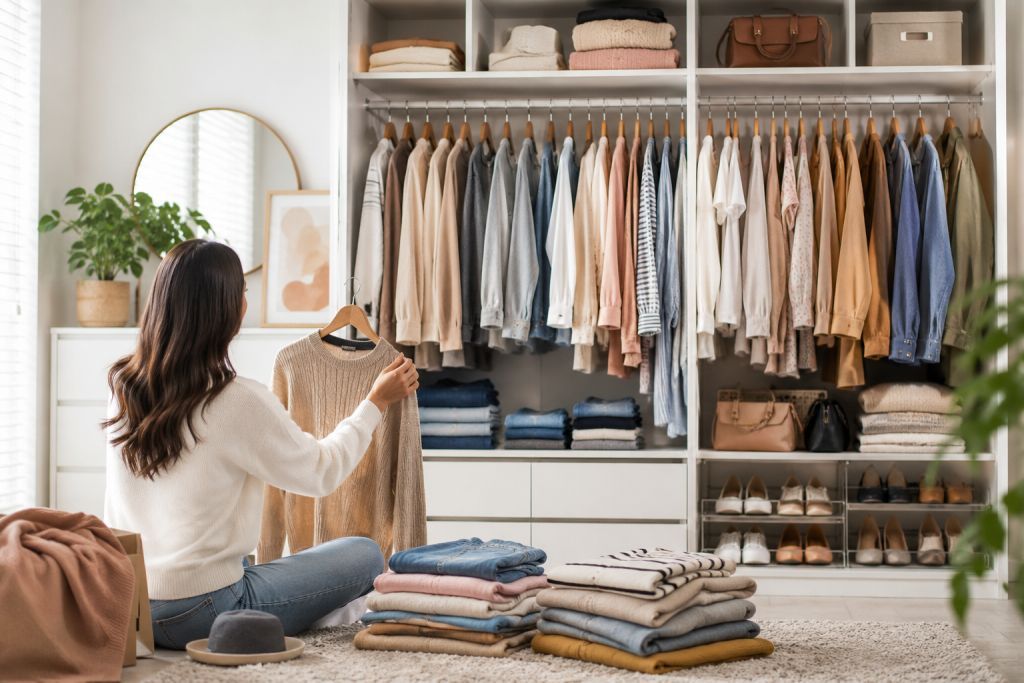
Your wardrobe is more than just a collection of clothes. It reflects your personality, lifestyle, career, and confidence. Yet one of the most common questions people ask is: how often should I update my wardrobe?
Some people purchase new clothing every month, while others keep the same wardrobe for years. Neither approach is necessarily correct. The ideal wardrobe update schedule depends on several factors including your lifestyle, fashion preferences, climate, profession, budget, and the quality of your clothing.
In 2026, fashion experts increasingly recommend focusing on intentional wardrobe updates rather than frequent shopping. A strategic wardrobe refresh helps you stay organized, maintain confidence, reduce waste, and make smarter purchasing decisions.
Quick Answer: How Often Should You Update Your Wardrobe?
Most people should review their wardrobe every 3–4 months and perform a larger wardrobe refresh once or twice per year.
This doesn't mean replacing everything. Instead, focus on:
- Removing worn-out items
- Replacing damaged essentials
- Adding seasonal pieces
- Updating outdated styles
- Improving outfit versatility
- Maintaining proper fit
A well-maintained wardrobe evolves gradually rather than changing overnight.
Why Regular Wardrobe Updates Matter
Many people underestimate the impact clothing has on everyday life. A functional wardrobe helps streamline morning routines, improve confidence, and reduce unnecessary spending.
Benefits of updating your wardrobe include:
- Better personal style
- Increased confidence
- Less closet clutter
- Improved outfit coordination
- More efficient shopping decisions
- Greater clothing longevity
- Reduced impulse purchases
Regular updates ensure your wardrobe continues to support your current lifestyle.
Key Wardrobe Refresh Statistics
| Wardrobe Activity | Recommended Frequency |
|---|---|
| Closet Review | Every 3–4 Months |
| Seasonal Refresh | 4 Times Per Year |
| Major Wardrobe Update | 1–2 Times Annually |
| Decluttering Session | Twice Per Year |
| Style Evaluation | Annually |
Updating vs. Replacing Your Wardrobe
One of the biggest misconceptions about fashion is that updating a wardrobe means buying a completely new one. In reality, updating and replacing are very different processes.
Updating a Wardrobe
- Replacing worn essentials
- Adding seasonal items
- Refreshing styling options
- Introducing a few modern trends
- Improving versatility
Replacing a Wardrobe
- Major career changes
- Significant weight changes
- Lifestyle transformations
- Complete style reinvention
- Relocation to a different climate
For most people, updating is significantly more affordable and sustainable than replacing an entire wardrobe.
The Seasonal Wardrobe Refresh Method
Fashion professionals often recommend reviewing your wardrobe at the beginning of every season.
Ask yourself:
- Does this item still fit?
- Have I worn it recently?
- Is it damaged?
- Does it suit my lifestyle?
- Can I create multiple outfits with it?
This process helps identify items that should be kept, repaired, donated, or replaced.
How Often Should Different Types of Clothing Be Updated?
Basic T-Shirts
Daily-wear T-shirts often experience the most wear and tear. Depending on quality and usage frequency, replacement every one to three years is common.
Jeans
High-quality denim can last for many years. Instead of replacing jeans regularly, evaluate their fit, fading, and overall condition.
Workwear
Professional clothing should be reviewed annually. Maintaining a polished appearance can positively impact confidence and workplace perception.
Footwear
Shoes generally wear out faster than many clothing items. Daily-use footwear may require replacement every one to two years.
Outerwear
Well-made coats and jackets often remain wardrobe staples for several years when properly maintained.
Signs It's Time to Update Your Wardrobe
Many people don't realize their wardrobe needs attention until frustration builds. Common signs include:
- You wear the same outfits repeatedly
- Clothes no longer fit comfortably
- Your lifestyle has changed
- Your closet feels overcrowded
- You struggle to create outfits
- Multiple items show visible wear
- Your confidence has decreased when dressing
Recognizing these warning signs early can help maintain a wardrobe that remains practical and enjoyable.
How Lifestyle Changes Affect Wardrobe Updates
Your wardrobe requirements evolve as your life changes.
Common reasons for wardrobe updates include:
- Starting a new job
- Transitioning to remote work
- Moving to a different climate
- Changes in body size
- New hobbies or activities
- Changing style preferences
These transitions often require thoughtful wardrobe adjustments rather than complete replacements.
The Financial Benefits of Strategic Wardrobe Updates
Contrary to popular belief, updating your wardrobe regularly can actually save money. Strategic wardrobe planning reduces impulse purchases and improves clothing longevity.
Benefits include:
- Better cost-per-wear value
- Reduced unnecessary spending
- Fewer duplicate purchases
- Higher satisfaction with clothing choices
- More efficient shopping habits
Investing in quality essentials often proves more economical than repeatedly purchasing low-quality items.
Why Quality Matters More Than Frequency
The frequency of wardrobe updates becomes less important when your clothing is built around quality. Durable fabrics, timeless designs, and proper garment care can significantly extend the life of your wardrobe.
Rather than asking how often you should buy new clothes, consider whether your current wardrobe still serves your needs effectively.
A high-quality wardrobe often requires fewer updates while delivering better long-term value.
Wardrobe Update Schedule Guide
| Wardrobe Task | Recommended Frequency | Purpose |
|---|---|---|
| Closet Review | Every 3–4 Months | Identify unused or damaged clothing |
| Seasonal Refresh | Quarterly | Prepare for changing weather |
| Decluttering | Twice Per Year | Reduce wardrobe clutter |
| Major Style Evaluation | Once Per Year | Align wardrobe with lifestyle |
| Replace Essentials | As Needed | Maintain functionality |
The Capsule Wardrobe Approach
One of the easiest ways to avoid unnecessary wardrobe updates is by building a capsule wardrobe. A capsule wardrobe focuses on versatile, timeless pieces that can be mixed and matched to create numerous outfits.
Benefits of a capsule wardrobe include:
- Less decision fatigue
- Lower clothing expenses
- Improved outfit coordination
- Reduced closet clutter
- More sustainable shopping habits
Rather than constantly buying new clothes, capsule wardrobes prioritize quality and versatility.
Wardrobe Essentials Worth Investing In
Some clothing items provide exceptional long-term value and should form the foundation of your wardrobe.
- White button-down shirt
- Quality denim jeans
- Neutral blazer
- Classic T-shirts
- Tailored trousers
- Comfortable footwear
- Versatile outerwear
- Minimalist accessories
These timeless staples remain stylish for years and reduce the need for frequent wardrobe overhauls.
Common Wardrobe Mistakes to Avoid
Many people spend money on clothing without a clear strategy. This often leads to clutter, wasted spending, and dissatisfaction.
Most Common Wardrobe Mistakes
- Buying clothes only because they are on sale
- Following every fashion trend
- Ignoring fit and comfort
- Purchasing low-quality garments repeatedly
- Keeping clothes that no longer fit
- Neglecting wardrobe maintenance
- Shopping without a plan
Avoiding these mistakes helps create a wardrobe that remains functional and stylish for years.
Benefits of Updating Your Wardrobe Regularly
| Benefit | Description |
|---|---|
| Improved Confidence | Well-fitting clothes improve self-image |
| Better Organization | Reduces closet clutter |
| Enhanced Style | Keeps outfits modern and functional |
| Cost Savings | Encourages smarter purchasing decisions |
| Sustainability | Reduces unnecessary consumption |
| Greater Versatility | Creates more outfit combinations |
Pros and Cons of Frequent Wardrobe Updates
| Pros | Cons |
|---|---|
| Stay current with fashion trends | Can increase spending |
| Improve confidence | May create unnecessary clutter |
| Adapt to lifestyle changes | Can encourage impulse buying |
| Replace worn-out clothing | Fast fashion can increase waste |
| Maintain a polished appearance | Trend chasing rarely provides long-term value |
Expert Tips for Maintaining a Stylish Wardrobe
- Prioritize quality over quantity.
- Review your wardrobe every season.
- Invest in timeless essentials.
- Replace clothing based on condition rather than age alone.
- Build outfits around versatile pieces.
- Choose neutral colors for foundational items.
- Donate clothing you no longer wear.
- Track clothing purchases to avoid overspending.
- Focus on fit and comfort.
- Buy intentionally rather than emotionally.
Featured Snippet: How Often Should I Update My Wardrobe?
Most people should review their wardrobe every three to four months and perform a major wardrobe refresh once or twice per year. Instead of replacing everything, focus on removing damaged items, replacing worn essentials, adding seasonal pieces, and maintaining a versatile collection of clothing that suits your lifestyle and personal style.
Frequently Asked Questions
1. How often should I update my wardrobe?
Most people benefit from seasonal wardrobe reviews and one or two major refreshes each year.
2. Is it necessary to buy new clothes every season?
No. Most wardrobes only require selective updates rather than complete replacements.
3. How often should I replace T-shirts?
Depending on quality and use, every one to three years is common.
4. How often should jeans be replaced?
Quality denim can last several years when properly maintained.
5. What is a wardrobe refresh?
A wardrobe refresh involves reviewing, organizing, repairing, replacing, and updating clothing.
6. What is a capsule wardrobe?
A capsule wardrobe consists of versatile, timeless pieces designed to work together.
7. How can I update my wardrobe on a budget?
Focus on quality basics, replace only necessary items, and avoid impulse purchases.
8. What are signs that I need a wardrobe update?
Poor fit, visible wear, lack of outfit options, and lifestyle changes are common signs.
9. How often should I declutter my closet?
Twice per year is recommended for most people.
10. Should I follow fashion trends?
Selectively. Trends should complement your wardrobe rather than dominate it.
11. What clothing items should I invest in?
Quality basics, outerwear, denim, footwear, and professional attire.
12. How can I make clothes last longer?
Follow care instructions, store garments properly, and repair minor damage promptly.
13. Is sustainable fashion important?
Yes. Sustainable purchasing reduces waste and often improves garment quality.
14. How many clothes should a wardrobe contain?
There is no universal number. The ideal wardrobe depends on lifestyle and personal needs.
15. What is the biggest wardrobe mistake?
Buying clothing without considering versatility, fit, or long-term value.
Summary
Updating your wardrobe is not about constantly buying new clothes. It is about maintaining a collection of garments that fit well, support your lifestyle, and help you feel confident. Most people should review their wardrobe every three to four months and perform a more significant refresh once or twice a year.
By focusing on quality, versatility, and intentional purchasing, you can create a wardrobe that remains stylish, functional, and cost-effective for years to come. Rather than chasing every trend, invest in timeless essentials and make thoughtful updates that align with your evolving needs.
Sources
- Vogue – Capsule Wardrobe Guide
- McKinsey & Company – The State of Fashion Report
- The Business of Fashion – Industry Reports
- Statista – Fashion Industry Statistics and Facts
- United Nations Environment Programme – Sustainable Fashion
- World Economic Forum – Fashion Industry Insights
- InStyle – Fashion Advice and Wardrobe Guides
- Harper's Bazaar – Fashion Trends and Style Advice