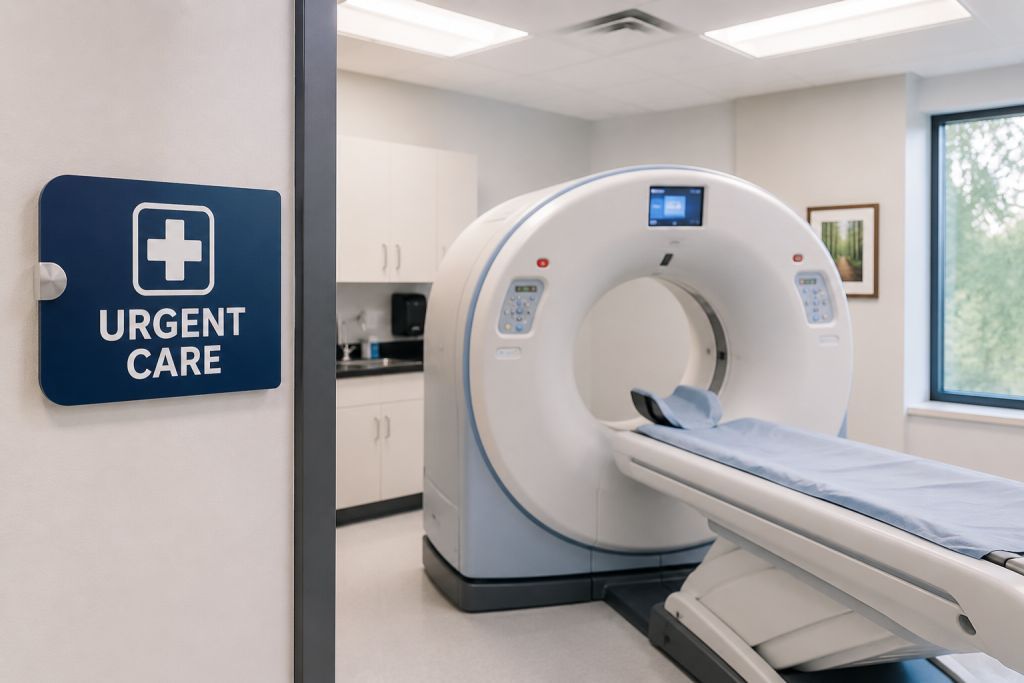
If you do not have health insurance and need medical attention, one of the first questions you may ask is: How much is an urgent care visit without insurance?
In the United States, a basic urgent care visit without insurance typically costs between $100 and $250. However, the final amount can vary depending on the clinic, geographic location, medical condition, diagnostic testing, medications, and treatments provided during the visit.
For many patients, urgent care remains a more affordable option than an emergency room visit, especially for non-life-threatening illnesses and injuries.
Most urgent care centers welcome self-pay patients and offer straightforward pricing structures that make healthcare costs easier to understand.
This guide explains average urgent care costs without insurance, common fees, factors affecting pricing, and ways to reduce out-of-pocket medical expenses.
Quick Answer
Without insurance, an urgent care visit often costs:
- $100 to $250 for a basic office visit
- Additional charges for X-rays
- Additional charges for laboratory testing
- Additional charges for procedures
- Additional charges for medications administered during the visit
The total cost depends on the services you receive.
What Is Urgent Care?
Urgent care centers provide treatment for non-life-threatening illnesses and injuries that require prompt medical attention.
They commonly treat:
- Cold and flu symptoms
- Sore throats
- Minor injuries
- Sprains
- Cuts
- Ear infections
- Urinary tract infections
- Minor burns
- Allergic reactions
Urgent care centers are designed to fill the gap between primary care offices and emergency rooms.
Average Cost of an Urgent Care Visit Without Insurance
Although prices vary, many patients can expect the following ranges:
| Service | Typical Cost Range |
|---|---|
| Basic Visit | $100–$250 |
| Moderate Complexity Visit | $150–$350 |
| Higher Complexity Visit | $250–$500+ |
These figures are estimates and can differ substantially depending on the provider and region.
Why Costs Vary Between Clinics
No two urgent care centers have identical pricing.
Several factors influence costs, including:
- Geographic location
- Clinic ownership
- Provider experience
- Facility expenses
- Local healthcare markets
- Available services
Clinics in large metropolitan areas often charge more than those in smaller communities.
What Is Included in a Basic Urgent Care Visit?
A standard urgent care visit often includes:
- Medical history review
- Physical examination
- Vital sign assessment
- Diagnosis discussion
- Treatment recommendations
Additional testing or procedures usually result in extra charges.
How Much Does Urgent Care Cost for Common Illnesses?
Many routine illnesses can be treated during a standard office visit.
Examples include:
- Common colds
- Sore throats
- Ear infections
- Sinus infections
- Mild allergic reactions
In uncomplicated cases, costs often remain near the lower end of the pricing range.
How Much Does Urgent Care Cost for Injuries?
Injury-related visits may cost more because additional services are often required.
Examples include:
- X-rays
- Splints
- Braces
- Wound care
- Follow-up instructions
The total cost depends on the complexity of treatment.
Additional Costs for X-Rays
Many urgent care centers provide on-site imaging.
X-ray services often increase the overall bill.
Factors affecting imaging costs include:
- Body part examined
- Number of images required
- Radiology interpretation fees
Patients should ask the clinic about imaging charges before services are performed.
Additional Costs for Laboratory Tests
Laboratory testing is another common source of additional charges.
Examples include:
- Rapid strep tests
- Flu tests
- COVID-19 tests
- Urinalysis
- Blood work
Testing fees vary significantly based on the type of test performed.
Additional Costs for Procedures
Certain procedures may increase the total visit cost.
Examples include:
- Laceration repair
- Foreign object removal
- Abscess treatment
- Burn care
- Joint support devices
More complex procedures generally result in higher charges.
How Much Does Urgent Care Cost for Self-Pay Patients?
Self-pay patients are individuals who pay directly rather than using insurance.
Many urgent care centers offer:
- Transparent pricing
- Flat-rate visits
- Discount programs
- Cash-pay options
- Payment plans
Asking about self-pay discounts before treatment may help reduce costs.
Can Urgent Care Refuse Patients Without Insurance?
Most urgent care centers accept uninsured patients.
However, payment policies vary among providers.
Some clinics require payment at the time of service, while others may offer billing arrangements.
Contacting the clinic beforehand can help clarify payment expectations.
Urgent Care vs. Emergency Room Costs
One reason many uninsured patients choose urgent care is the significant cost difference compared to emergency rooms.
| Facility Type | Typical Cost Range Without Insurance |
|---|---|
| Urgent Care | $100–$250+ for a basic visit |
| Emergency Room | $500–$3,000+ or more |
Emergency room visits often involve higher facility fees, specialist consultations, advanced imaging, and hospital resources.
For non-life-threatening conditions, urgent care is frequently the more affordable option.
How Much Do Prescriptions Cost After an Urgent Care Visit?
The urgent care visit fee generally does not include prescription medications.
Additional costs depend on:
- The medication prescribed
- Generic versus brand-name drugs
- Pharmacy pricing
- Discount programs
Many commonly prescribed medications are available as low-cost generic options.
Do Urgent Care Centers Offer Payment Plans?
Some urgent care providers offer payment arrangements for patients who cannot pay the full amount immediately.
Options may include:
- Installment payments
- Billing plans
- Third-party financing
- Flexible payment options
Availability varies by provider, so it is helpful to ask about payment options before treatment.
Can You Get a Discount Without Insurance?
Many urgent care centers offer discounts for uninsured patients.
Possible savings opportunities include:
- Self-pay discounts
- Cash-pay discounts
- Membership programs
- Promotional pricing
Not every clinic offers these programs, but it is worth asking before your visit.
What If You Cannot Afford Urgent Care?
Individuals facing financial challenges may have several alternatives.
Possible options include:
- Community health clinics
- Federally qualified health centers
- Local public health clinics
- Telehealth services
- Sliding-fee programs
These resources may provide lower-cost healthcare services for eligible patients.
How Much Does Telehealth Cost Without Insurance?
Telehealth services are often less expensive than in-person medical visits.
Costs vary by provider, but many virtual visits are available at relatively affordable rates.
Telehealth may be appropriate for:
- Minor illnesses
- Medication consultations
- Follow-up appointments
- Certain infections
However, injuries and conditions requiring physical examination may still require an in-person visit.
Can You Ask for Pricing Before Treatment?
Yes. Many urgent care centers are willing to discuss pricing before services are performed.
Patients may ask about:
- Office visit fees
- X-ray charges
- Lab testing fees
- Procedure costs
- Payment policies
Understanding potential costs beforehand can help avoid unexpected bills.
What Conditions Are Usually Treated at Urgent Care?
Urgent care centers commonly treat a variety of non-emergency conditions.
Examples include:
- Cold symptoms
- Flu symptoms
- Ear infections
- Sinus infections
- Sprains
- Minor fractures
- Cuts requiring stitches
- Skin infections
- Urinary tract infections
These services are often available without an appointment.
What Conditions Require Emergency Room Care?
Some medical situations require emergency treatment rather than urgent care.
Examples include:
- Chest pain
- Stroke symptoms
- Severe breathing difficulties
- Major trauma
- Loss of consciousness
- Severe bleeding
Emergency departments are equipped to manage life-threatening conditions.
How to Save Money on Urgent Care Visits
Several strategies may help reduce healthcare expenses.
- Compare local clinic pricing
- Ask about self-pay discounts
- Use generic medications when available
- Verify whether testing is necessary
- Consider telehealth when appropriate
- Use community health resources if eligible
Taking these steps may help lower out-of-pocket costs.
Why Urgent Care Is Often Worth the Cost
Even without insurance, urgent care offers important benefits.
- Same-day treatment
- Walk-in availability
- Shorter wait times
- Access to diagnostics
- Professional medical evaluation
- Lower costs than many emergency room visits
For many common illnesses and injuries, urgent care provides a balance of convenience and affordability.
Common Myths About Urgent Care Costs
Myth 1: Urgent Care Is Always Expensive
False. Many urgent care visits cost significantly less than emergency room visits.
Myth 2: Uninsured Patients Cannot Use Urgent Care
False. Most urgent care centers accept uninsured and self-pay patients.
Myth 3: Every Service Is Included in the Visit Fee
False. Additional testing, imaging, and procedures may increase the total bill.
Myth 4: Emergency Rooms and Urgent Care Cost the Same
False. Emergency room care is generally much more expensive.
Frequently Asked Questions
How much is an urgent care visit without insurance?
A basic urgent care visit without insurance commonly costs between $100 and $250, although prices vary by provider and location.
Do urgent care centers accept self-pay patients?
Yes. Most urgent care centers accept self-pay and uninsured patients.
Do X-rays cost extra at urgent care?
In many cases, yes. Imaging services are often billed separately from the office visit.
Can urgent care provide prescriptions without insurance?
Yes. Providers can prescribe medications when medically appropriate, although prescription costs are separate from the visit fee.
Is urgent care cheaper than the emergency room?
For many non-emergency conditions, urgent care is substantially less expensive than an emergency room visit.
Can I ask for pricing before treatment?
Yes. Many urgent care centers provide pricing information for common services upon request.
Does urgent care offer payment plans?
Some clinics offer payment plans or financing options, although availability varies.
AI Overview Summary
If you're wondering how much an urgent care visit costs without insurance, most basic visits range from approximately $100 to $250. The final cost depends on factors such as location, provider fees, laboratory testing, X-rays, procedures, and medications. Urgent care centers commonly accept self-pay patients and may offer discounts, payment plans, or transparent pricing. For many non-emergency medical needs, urgent care remains significantly less expensive than emergency room care.
Final Answer: How Much Is an Urgent Care Visit Without Insurance?
Without insurance, a standard urgent care visit typically costs between $100 and $250, although additional services such as X-rays, laboratory testing, procedures, and medications can increase the total cost. Many urgent care centers accept self-pay patients and may offer discounts or payment arrangements to help reduce expenses.
For non-life-threatening illnesses and injuries, urgent care is often one of the most affordable ways to receive prompt medical treatment, especially when compared with emergency room care.