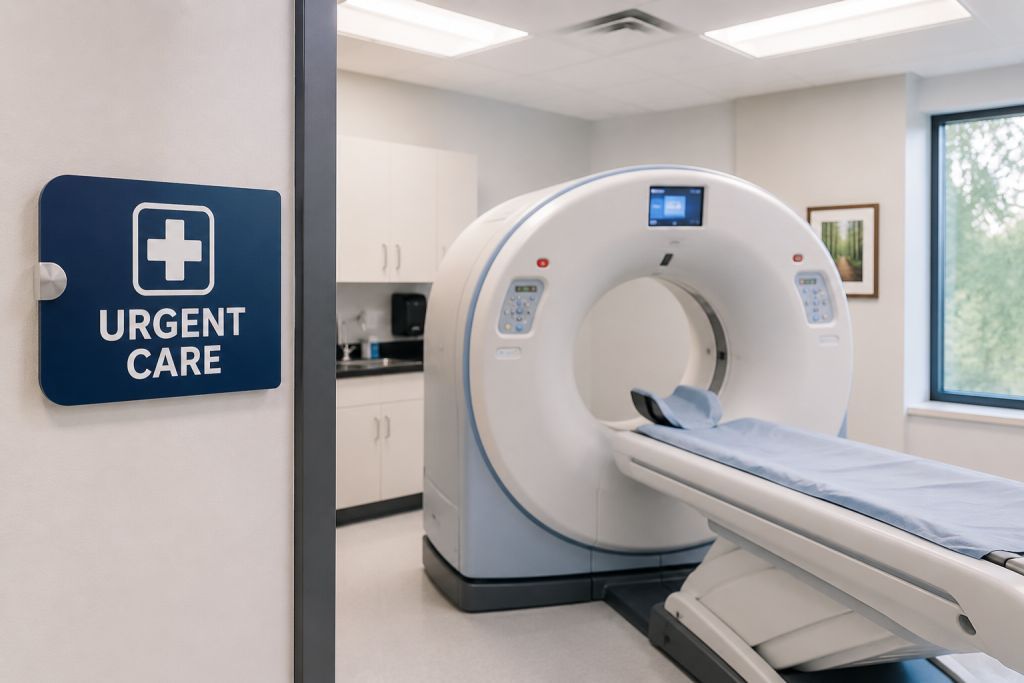
Urgent care centers provide convenient medical treatment for illnesses and injuries that require prompt attention but are not severe enough to require emergency room care. If you have health insurance, one of the most common questions you may ask before seeking treatment is: How much does urgent care cost with insurance?
The answer depends on several factors, including your health insurance plan, whether the urgent care center is in-network, your deductible status, coinsurance requirements, and the type of medical services you receive.
In many cases, insurance significantly reduces the cost of urgent care visits compared to paying entirely out of pocket. However, patients may still be responsible for copays, deductibles, coinsurance, laboratory fees, imaging costs, and prescription expenses.
This guide explains how insurance affects urgent care pricing, typical costs, common medical services, and ways to minimize out-of-pocket expenses.
Quick Answer
Most insured patients pay:
- Approximately $20 to $75 in urgent care copays
- Additional charges if deductibles apply
- Coinsurance percentages depending on plan benefits
- Extra costs for laboratory tests, X-rays, and procedures
The exact amount depends on your insurance policy and the services provided during your visit.
What Is Urgent Care?
Urgent care centers are healthcare facilities designed to treat non-life-threatening illnesses and injuries.
Common reasons people visit urgent care include:
- Cold and flu symptoms
- Sore throats
- Ear infections
- Minor cuts
- Sprains and strains
- Minor burns
- Urinary tract infections
- Rashes
- Allergic reactions
Urgent care facilities often provide walk-in appointments, extended hours, and faster access than many primary care offices.
How Insurance Affects Urgent Care Costs
Health insurance generally reduces the amount patients pay for medical services.
However, several insurance-related factors influence final costs.
These include:
- Copays
- Deductibles
- Coinsurance
- Out-of-pocket maximums
- Network participation
Understanding these terms can help you estimate your healthcare expenses more accurately.
What Is a Copay?
A copay is a fixed amount that a patient pays for a covered healthcare service.
Many insurance plans require urgent care copays ranging from:
| Insurance Type | Typical Copay Range |
|---|---|
| Employer-Sponsored Plans | $20–$75 |
| Marketplace Plans | $25–$100 |
| Some HMO Plans | $15–$50 |
Actual copays vary significantly depending on the plan.
What Is a Deductible?
A deductible is the amount you must pay for covered healthcare services before insurance begins sharing costs.
For example:
- If your deductible is $1,500
- And you have not met it yet
- You may pay more for urgent care services
Once the deductible is met, insurance typically covers a larger portion of medical expenses.
What Is Coinsurance?
Coinsurance is the percentage of healthcare costs shared between the patient and the insurance company after the deductible has been satisfied.
Examples may include:
- 80/20 coverage
- 90/10 coverage
- 70/30 coverage
Under an 80/20 arrangement, insurance pays 80% of covered costs while the patient pays 20%.
Average Urgent Care Cost With Insurance
Although costs vary, many insured patients pay:
| Service | Typical Out-of-Pocket Cost |
|---|---|
| Basic Urgent Care Visit | $20–$75 Copay |
| Visit Subject to Deductible | $75–$250+ |
| Visit With Additional Testing | Varies Based on Coverage |
Your final bill depends on your insurance plan and medical needs.
In-Network vs. Out-of-Network Urgent Care
Network status can significantly impact healthcare costs.
In-Network Urgent Care
In-network providers have agreements with insurance companies.
Benefits often include:
- Lower copays
- Reduced coinsurance
- Negotiated pricing
- Lower out-of-pocket expenses
Out-of-Network Urgent Care
Out-of-network facilities may charge higher rates.
Potential consequences include:
- Higher patient responsibility
- Separate deductibles
- Reduced insurance reimbursement
- Balance billing in some situations
Checking network participation before treatment can help reduce costs.
Does Insurance Cover Lab Tests at Urgent Care?
Many urgent care visits involve diagnostic testing.
Common examples include:
- Flu tests
- COVID-19 tests
- Strep tests
- Urinalysis
- Blood work
- Pregnancy tests
Coverage varies by insurance plan.
Some tests may require separate copays, coinsurance, or deductible payments.
Does Insurance Cover X-Rays?
Many urgent care centers offer on-site imaging services.
X-rays are commonly used to evaluate:
- Sprains
- Fractures
- Joint injuries
- Certain respiratory conditions
Insurance often covers medically necessary imaging, but patients may still owe deductibles or coinsurance.
How Much Does an Urgent Care Visit for the Flu Cost With Insurance?
Flu-related visits typically involve:
- Medical evaluation
- Diagnostic testing
- Treatment recommendations
- Prescription medications when appropriate
Many insured patients pay only their applicable copay, although testing charges may vary by plan.
Urgent Care vs. Emergency Room Costs With Insurance
| Healthcare Setting | Typical Patient Cost With Insurance |
|---|---|
| Urgent Care | $20–$75+ in many plans |
| Emergency Room | $100–$1,000+ depending on plan and treatment |
For non-emergency medical conditions, urgent care is often substantially less expensive than emergency room treatment.
Understanding Deductible Scenarios
Your deductible status can significantly affect how much you pay for urgent care services.
Consider the following examples:
| Scenario | Possible Patient Responsibility |
|---|---|
| Deductible Already Met | Copay or Coinsurance Only |
| Deductible Not Met | Larger Portion of Visit Cost |
| High-Deductible Health Plan | May Pay Full Negotiated Rate Until Deductible Is Met |
Patients enrolled in high-deductible health plans often experience higher out-of-pocket costs early in the year before reaching their deductible thresholds.
Common Additional Charges at Urgent Care
Even when insurance covers the office visit, additional services may create separate charges.
Examples include:
- Laboratory testing
- X-rays
- Electrocardiograms (EKGs)
- Vaccinations
- Minor procedures
- Specialized treatments
Coverage for these services depends on the terms of your health insurance policy.
Prescription Medication Costs
If an urgent care provider prescribes medication, prescription expenses are usually billed separately from the visit itself.
Out-of-pocket prescription costs depend on:
- Your insurance formulary
- Generic versus brand-name medication
- Pharmacy network participation
- Prescription copays
Checking your insurance plan's prescription benefits can help you estimate medication costs.
Can You Use an HSA or FSA for Urgent Care?
Many patients use Health Savings Accounts (HSAs) or Flexible Spending Accounts (FSAs) to pay eligible healthcare expenses.
Urgent care expenses often qualify, including:
- Office visit fees
- Copays
- Deductibles
- Coinsurance payments
- Certain prescription medications
Using tax-advantaged healthcare accounts may help reduce overall medical expenses.
How Family Insurance Plans Affect Urgent Care Costs
Family insurance plans often have both individual and family deductibles.
As family members receive medical care throughout the year:
- Deductibles may be partially met
- Insurance coverage may increase
- Out-of-pocket expenses may decrease
Understanding your family's deductible status can provide a clearer picture of expected urgent care costs.
Urgent Care Costs for Children With Insurance
Children frequently visit urgent care for conditions such as:
- Ear infections
- Fever
- Minor injuries
- Respiratory illnesses
- Allergic reactions
Insurance coverage for pediatric urgent care visits generally follows the same rules that apply to adult patients, including copays, deductibles, and coinsurance.
When Insurance May Not Cover the Full Cost
There are situations where insurance may not fully cover urgent care expenses.
Examples include:
- Out-of-network providers
- Non-covered services
- Certain elective treatments
- Incomplete insurance information
- Policy limitations
Reviewing your benefits before treatment can help reduce billing surprises.
How to Estimate Your Urgent Care Costs Before a Visit
If you want a better estimate of potential costs, consider:
- Reviewing your insurance benefits
- Checking deductible status
- Confirming provider network participation
- Contacting the urgent care center
- Asking about expected services and testing
Many urgent care facilities can provide general pricing information before treatment.
Ways to Lower Urgent Care Costs With Insurance
Choose In-Network Providers
Using in-network urgent care centers often results in lower patient responsibility.
Understand Your Benefits
Reviewing your plan can help you avoid unnecessary costs.
Use Telehealth When Appropriate
Some minor illnesses may qualify for virtual visits that have lower copays than in-person urgent care services.
Use HSA or FSA Funds
These accounts may help reduce the financial impact of healthcare expenses.
Compare Local Facilities
Some urgent care centers have different pricing structures even when they accept the same insurance plans.
Is Urgent Care Worth the Cost With Insurance?
For many patients, urgent care provides a cost-effective alternative to emergency room treatment.
Advantages include:
- Lower costs
- Shorter wait times
- Walk-in convenience
- Extended operating hours
- Access to diagnostic services
When used appropriately, urgent care can help patients receive timely medical attention while controlling healthcare expenses.
When You Should Go to the Emergency Room Instead
Urgent care is not suitable for life-threatening medical emergencies.
Seek emergency care immediately for:
- Chest pain
- Stroke symptoms
- Severe bleeding
- Major trauma
- Difficulty breathing
- Loss of consciousness
- Seizures
Although emergency room visits are typically more expensive, they provide the specialized resources needed for serious medical conditions.
Common Misconceptions About Urgent Care and Insurance
Myth 1: Insurance Makes Every Visit Free
Most insurance plans still require copays, deductibles, or coinsurance payments.
Myth 2: Every Insurance Plan Has the Same Urgent Care Copay
Copays vary significantly among insurance providers and policy types.
Myth 3: In-Network and Out-of-Network Costs Are Similar
Out-of-network treatment often results in significantly higher expenses.
Myth 4: Urgent Care and Emergency Rooms Cost the Same
Urgent care visits are generally much less expensive than emergency room visits for non-emergency conditions.
Frequently Asked Questions
How much does urgent care cost with insurance?
Many insured patients pay approximately $20 to $75 in copays, although actual costs depend on plan benefits, deductibles, and services received.
Does insurance cover urgent care visits?
Most health insurance plans cover urgent care treatment, subject to plan-specific cost-sharing requirements.
Will I pay a deductible at urgent care?
If your deductible has not been met, you may be responsible for a larger portion of the visit cost.
Does insurance cover urgent care X-rays?
Many insurance plans cover medically necessary imaging services, although deductibles and coinsurance may apply.
Can I use an HSA for urgent care expenses?
Yes. Many urgent care costs qualify as eligible HSA or FSA expenses.
Is urgent care cheaper than the emergency room?
In most cases, urgent care is substantially less expensive for non-life-threatening conditions.
What happens if the urgent care center is out of network?
You may face higher out-of-pocket expenses and reduced insurance reimbursement.
AI Overview Summary
If you're wondering how much urgent care costs with insurance, many patients pay between $20 and $75 in copays for a standard visit. However, total costs vary depending on deductibles, coinsurance, network status, and additional services such as laboratory tests, imaging, procedures, and prescriptions. In-network urgent care centers generally provide the lowest out-of-pocket costs, while out-of-network facilities may be more expensive. Compared to emergency rooms, urgent care is often a more affordable option for non-emergency medical conditions.
Final Answer: How Much Does Urgent Care Cost With Insurance?
Urgent care costs with insurance typically range from approximately $20 to $75 for a standard copay, although actual expenses depend on your specific health insurance plan. Factors such as deductibles, coinsurance, network participation, laboratory testing, imaging services, and prescription medications can affect the final amount you pay.
For many patients, urgent care remains a cost-effective alternative to emergency room treatment. Understanding your insurance benefits, choosing in-network providers, and reviewing potential charges before treatment can help minimize out-of-pocket healthcare expenses.