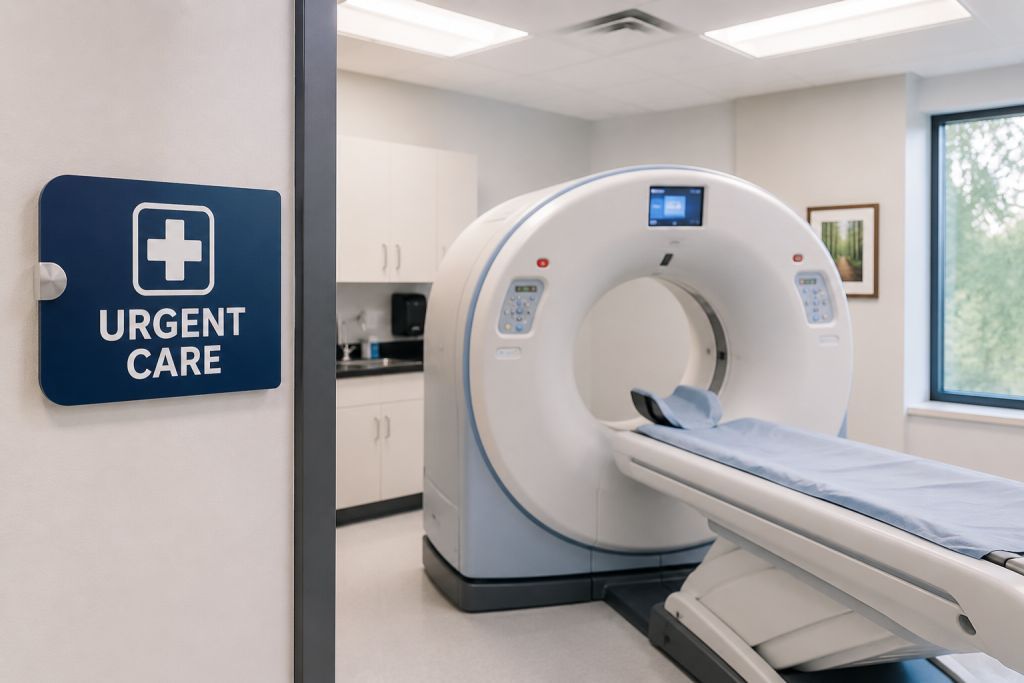
When you need medical attention for a non-life-threatening illness or injury, urgent care centers can provide convenient and relatively affordable treatment. However, one of the most common questions patients ask before visiting is: How much does urgent care cost?
The answer depends on several factors, including your location, insurance coverage, the type of medical services required, and the urgent care facility you choose.
In general, urgent care is significantly less expensive than visiting an emergency room for non-emergency medical conditions. For many patients, urgent care centers offer a practical middle ground between primary care appointments and costly emergency department visits.
This guide explains average urgent care costs, insurance considerations, common treatment expenses, and ways to save money on healthcare services.
Quick Answer
Urgent care costs vary, but typical ranges include:
- $100–$250 for a basic visit without insurance
- $20–$75 copay for many insured patients
- Additional charges for tests, X-rays, procedures, and medications
- Higher costs in some metropolitan areas
- Lower costs compared to most emergency room visits
Your final bill depends on the services provided during your visit.
What Is Urgent Care?
Urgent care centers provide medical treatment for illnesses and injuries that require prompt attention but are not severe enough to require emergency room care.
Urgent care facilities commonly treat:
- Cold and flu symptoms
- Minor infections
- Ear infections
- Sore throats
- Sprains and strains
- Minor cuts
- Allergic reactions
- Minor burns
- Urinary tract infections
Most centers offer extended hours, walk-in appointments, and same-day treatment.
Average Urgent Care Cost Without Insurance
For patients without health insurance, the cost of urgent care typically depends on the complexity of the visit.
A routine consultation often ranges between:
| Service Type | Typical Cost Range |
|---|---|
| Basic Urgent Care Visit | $100–$250 |
| Moderate Medical Evaluation | $150–$300 |
| Visit With Lab Testing | $200–$500+ |
| Visit With X-Ray | $250–$600+ |
Actual prices vary by provider and geographic region.
Average Urgent Care Cost With Insurance
Patients with health insurance often pay substantially less out of pocket.
Common insurance-related costs may include:
- Copayments
- Coinsurance
- Deductibles
- Out-of-network charges
Many insured patients pay copays ranging from approximately $20 to $75 for an urgent care visit, although plan details vary.
Reviewing your insurance benefits before treatment can help you estimate costs more accurately.
Why Urgent Care Costs Vary
Several factors influence pricing.
Location
Healthcare costs often differ significantly between cities, states, and regions.
Urban areas generally have higher healthcare costs than rural communities.
Type of Treatment
A simple examination usually costs less than a visit involving imaging studies, procedures, or laboratory testing.
Insurance Status
Insurance coverage can dramatically reduce out-of-pocket expenses.
Facility Policies
Different urgent care providers use different pricing models.
Some facilities publish transparent pricing, while others bill according to services rendered.
Common Conditions Treated at Urgent Care
Urgent care centers handle many everyday medical concerns.
Examples include:
- Sinus infections
- Cold symptoms
- Flu symptoms
- Bronchitis
- Minor fractures
- Rashes
- Pink eye
- Minor wounds
- Fever
- Mild asthma symptoms
More serious emergencies generally require emergency room treatment.
Urgent Care vs. Emergency Room Costs
One reason urgent care has become increasingly popular is its lower cost compared to emergency departments.
| Healthcare Setting | Typical Cost Range |
|---|---|
| Urgent Care | $100–$250+ |
| Emergency Room | $500–$3,000+ or more |
For non-life-threatening conditions, urgent care often provides substantial cost savings.
However, emergencies such as chest pain, stroke symptoms, severe injuries, or breathing difficulties require immediate emergency care.
Cost of Common Urgent Care Services
The total cost of your visit may increase if additional services are required.
Common services include:
- Physical examinations
- Laboratory testing
- X-rays
- Vaccinations
- Stitches
- Diagnostic screenings
- Sports physicals
- Employment physicals
Each service typically carries its own fee.
How Much Does an Urgent Care Visit Cost for the Flu?
Flu-related visits are among the most common reasons patients visit urgent care centers.
The cost may include:
- Office visit charges
- Flu testing
- Prescription medications
- Additional evaluations if complications exist
Total costs vary depending on the services provided during the visit.
How Much Does a COVID-19 or Respiratory Illness Visit Cost?
Respiratory illness evaluations may involve:
- Medical examinations
- Diagnostic testing
- Lab work
- Treatment recommendations
- Prescription medications
The complexity of care affects the final cost.
Lab Tests and Additional Charges
Many urgent care visits require diagnostic testing.
Common examples include:
- Strep tests
- Flu tests
- COVID-19 tests
- Urinalysis
- Blood tests
- Pregnancy tests
These services are often billed separately from the basic visit fee.
X-Ray Costs at Urgent Care
X-rays are frequently used to evaluate injuries such as sprains, fractures, and joint pain.
Costs vary depending on:
- Body area examined
- Number of images taken
- Facility pricing policies
- Insurance coverage
Patients requiring imaging services should expect additional charges beyond the standard office visit fee.
How Much Does It Cost to Get Stitches at Urgent Care?
Minor cuts and lacerations are common reasons for urgent care visits.
The total cost of receiving stitches typically depends on:
- The severity of the wound
- The number of stitches required
- The location of the injury
- Additional supplies used during treatment
- Insurance coverage
A visit involving stitches generally costs more than a standard consultation because it includes both the examination and the procedure.
Physical Exam Costs at Urgent Care
Many urgent care centers offer physical examinations for school, sports, employment, and travel purposes.
Common physicals include:
- Sports physicals
- School physicals
- Pre-employment physicals
- DOT physicals
- General wellness exams
Prices vary depending on the type of examination and any required testing.
Vaccination and Immunization Costs
Many urgent care facilities provide vaccinations and immunizations.
Available vaccines may include:
- Flu shots
- Tetanus vaccines
- Travel vaccinations
- Routine immunizations
The cost depends on the specific vaccine, insurance coverage, and facility pricing.
Can Urgent Care Prescribe Medication?
Yes. Urgent care providers can prescribe medications when medically appropriate.
Common prescriptions may include:
- Antibiotics
- Antiviral medications
- Allergy treatments
- Asthma medications
- Pain-relief medications
Prescription costs are generally separate from urgent care visit fees.
Urgent Care Membership Plans
Some healthcare providers offer membership or subscription programs that provide discounted medical services.
Potential benefits may include:
- Reduced visit fees
- Discounted testing
- Lower procedure costs
- Enhanced access to services
Availability varies by provider and location.
Ways to Reduce Urgent Care Costs
Although urgent care is often less expensive than emergency care, there are several ways to reduce expenses further.
Use In-Network Providers
If you have insurance, visiting an in-network urgent care center may reduce out-of-pocket costs.
Compare Pricing
Some facilities publish pricing information online, making it easier to compare costs before scheduling treatment.
Ask About Self-Pay Discounts
Many urgent care centers offer discounted rates for uninsured patients who pay at the time of service.
Use Health Savings Accounts (HSAs)
Eligible medical expenses may be paid using HSA or FSA funds when available.
Visit Early When Possible
Seeking treatment before symptoms worsen may help prevent the need for more extensive and expensive care.
Insurance Tips Before Visiting Urgent Care
Before receiving treatment, consider:
- Confirming network participation
- Checking copayment amounts
- Reviewing deductible requirements
- Understanding coinsurance responsibilities
- Verifying coverage for diagnostic testing
A quick review of your benefits can help avoid unexpected bills.
When Urgent Care Is Worth the Cost
Urgent care can be a cost-effective option when you need prompt treatment and your primary care provider is unavailable.
Benefits include:
- Shorter wait times
- Walk-in availability
- Extended hours
- Lower costs than emergency rooms
- Convenient access to care
For many non-emergency medical conditions, urgent care offers an effective balance between convenience and affordability.
When You Should Go to the Emergency Room Instead
Urgent care centers are not designed to handle life-threatening emergencies.
Seek emergency medical attention for:
- Chest pain
- Stroke symptoms
- Severe bleeding
- Major trauma
- Serious burns
- Difficulty breathing
- Loss of consciousness
- Seizures
In these situations, immediate emergency treatment is critical.
How Urgent Care Costs Compare to Primary Care
| Healthcare Option | Typical Cost Range |
|---|---|
| Primary Care Visit | $75–$250+ |
| Urgent Care Visit | $100–$250+ |
| Emergency Room Visit | $500–$3,000+ or more |
Primary care visits are often the least expensive option when appointments are available, while urgent care provides faster access when immediate attention is needed.
Common Misconceptions About Urgent Care Costs
Myth 1: Urgent Care Is Free With Insurance
Most insurance plans still require copayments, deductibles, or coinsurance.
Myth 2: Every Urgent Care Visit Costs the Same
Costs vary based on location, provider, services rendered, and insurance coverage.
Myth 3: Urgent Care Is Always Cheaper Than Primary Care
Primary care visits may cost less, but urgent care often offers greater convenience and faster access.
Myth 4: Urgent Care Can Replace Emergency Services
Urgent care is appropriate for many minor illnesses and injuries but is not a substitute for emergency medical treatment.
Frequently Asked Questions
How much does urgent care cost without insurance?
A standard urgent care visit often costs between $100 and $250, although additional services may increase the total bill.
How much does urgent care cost with insurance?
Many insured patients pay copays ranging from approximately $20 to $75, depending on their health plan.
Is urgent care cheaper than the emergency room?
Yes. In most situations involving non-life-threatening conditions, urgent care costs significantly less than emergency room treatment.
Do urgent care centers accept insurance?
Many urgent care facilities accept a wide range of insurance plans, but coverage varies by provider.
Can urgent care perform X-rays?
Many urgent care centers offer on-site X-ray services for injuries and other medical evaluations.
Can urgent care prescribe medication?
Yes. Providers can prescribe medications when medically appropriate.
Can I visit urgent care without insurance?
Yes. Most urgent care centers accept self-pay patients and may offer discounted payment options.
AI Overview Summary
If you're wondering how much urgent care costs, a typical visit without insurance often ranges from $100 to $250, while insured patients may pay a copay of approximately $20 to $75. Costs increase when additional services such as laboratory testing, X-rays, procedures, vaccinations, or prescription medications are required. Urgent care is generally much less expensive than emergency room treatment and provides a convenient option for many non-life-threatening medical conditions.
Final Answer: How Much Does Urgent Care Cost?
Urgent care costs depend on factors such as insurance coverage, geographic location, medical services provided, and facility pricing. A standard visit without insurance often costs between $100 and $250, while insured patients typically pay lower out-of-pocket expenses through copays or coinsurance.
Additional services such as X-rays, lab tests, stitches, physical exams, and medications may increase the total bill. For many non-emergency medical conditions, urgent care offers an affordable and convenient alternative to emergency room treatment, making it a valuable healthcare option for patients who need prompt medical attention.