

Modern manufacturing moves at a rapid pace. In the engineering world, structural metals like titanium and stainless steel often dominate the conversation. We frequently celebrate the materials that bear the brunt of mechanical stress. However, the unsung heroes of successful assembly lines are often the non-metallic components that sit between those high-strength structures.
From electrical insulation in avionics to vibration dampening in automotive chassis, non-metallic washers play a critical role. They prevent galvanic corrosion, reduce wear, and maintain structural integrity. As industries pivot toward lightweighting and increased complexity, the demand for high-quality plastic washers stamping services has surged. These services are now a pivotal factor in the production cycle of everything from consumer electronics to heavy-duty industrial equipment.
Why Industries Choose Polymers
The shift toward specialized plastic components is a sophisticated engineering decision. It is not merely a cost-saving measure. Polymers like Nylon, PTFE, and Polycarbonate offer unique advantages that metals cannot replicate.
Consider the primary benefits:
-
Electrical Insulation: Plastics prevent short-circuiting by isolating sensitive circuitry from grounded metallic frames.
-
Thermal Barriers: They act as a thermal break. This prevents heat transfer between mating parts.
-
Corrosion Resistance: Unlike metals, these materials do not rust or oxidize when exposed to harsh environmental factors.
-
Weight Reduction: This is crucial for aerospace and automotive industries aiming to increase fuel efficiency.
When manufacturers seek out plastic washers stamping services for these materials, they want more than a simple shape. They need material integrity and consistent thickness. Most importantly, they require precise tolerances in flexible materials. These materials often react differently to mechanical pressure than cold-rolled steel.
Understanding the Stamping Process
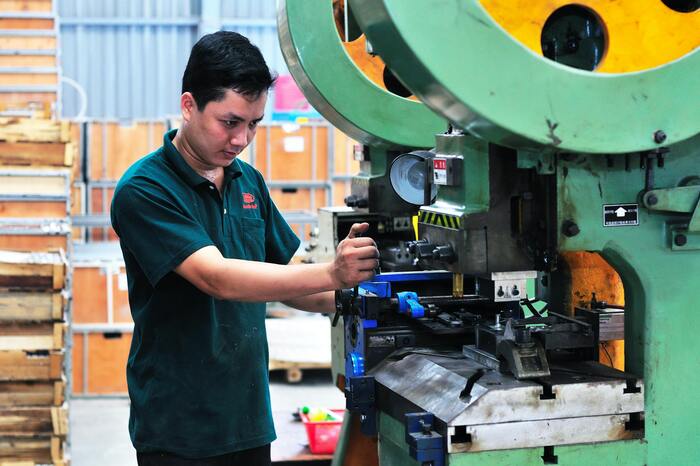
The process of stamping plastic is distinct from traditional metal stamping. While the fundamental concept—using a die to shear and form material—remains the same, the physics are different. Plastics have “memory.” This means they exhibit elastic recovery after the punching action.
A precision stamping house must account for this “spring-back” effect. They do this to ensure that the final hole diameter and outer circumference meet exact engineering specifications. Furthermore, plastic washers stamping services are susceptible to temperature fluctuations during the cutting process. Friction generates heat. This heat can cause local melting or burring on the edges. Top-tier facilities utilize high-speed, precision dies to minimize heat buildup. Consequently, this ensures the structural integrity of the polymer chains remains intact.
Consolidating Your Supply Chain
While the specialization in plastics is vital, the broader ecosystem of assembly requires a holistic approach to fastening. You rarely build a machine using only one type of washer. A typical assembly line might require plastic insulators for circuit boards, metal spring washers for tension maintenance, and rubber seals for fluid containment.
This inherent complexity explains why successful procurement teams do not seek out isolated suppliers for every component. Instead, they look for partners who offer a full suite of solutions. This is where the expertise of metric and rubber washers specialists becomes indispensable.
Working with a specialist who understands both the rigid world of plastic washers and the flexible, high-compression world of rubber gaskets provides a significant operational advantage. Consider these three benefits:
-
Material Expertise: If an application requires a seal that is electrically non-conductive and chemically resistant to oils, a specialist can recommend the exact rubber compound. They might suggest Viton or EPDM to satisfy both requirements without compromising the assembly.
-
Unified Quality Control: Consolidating your supply chain under one partner ensures consistent quality protocols across all material types.
-
Synchronized Logistics: A single source for all your washer requirements simplifies shipping. It reduces administrative overhead and streamlines lead times.
When you have one entity handling both your stamping requirements and your sealing components, you benefit from deeper industry knowledge. Whether it is a DIN-standard metric washer for a European-designed pump or a custom-stamped rubber gasket for a local HVAC unit, the expertise required to verify these parts remains consistent.
The Critical Role of Tooling
The performance of any washer is largely dictated by the quality of the tooling. In the realm of custom stamping, the die is the heart of the operation. Modern CNC die-making capabilities have revolutionized how quickly and accurately we can move from a CAD file to a finished part.
For plastic and rubber components, the die must be sharp. It must produce a “clean break” rather than a “tear.” Tears in plastic washers can become initiation points for cracks under vibration. Eventually, this leads to premature failure in the field. A properly stamped plastic washer should have a clean, perpendicular edge profile. This is critical for seating properly against a bolt head or a housing surface.
This precision is even more critical for rubber washers. Rubber is highly compressible. If the stamping die is not perfectly aligned, the washer can end up with a beveled edge or irregular thickness. In a fluid system, this unevenness is the difference between a system that holds pressure and one that experiences a catastrophic leak. The ability to control the “squish” and compression set of a stamped rubber part is a specialized skill. It is what separates professional manufacturing from basic cutting operations.
To complement the existing structure, here is an additional section focused on compliance, standards, and risk mitigation. This section is crafted to be “Yoast-friendly” with short sentences and clear transitions, fitting seamlessly before the “Final Thoughts” section.
Navigating Standards and Compliance
In regulated industries, the part is only as good as the paperwork behind it. Standards are not just bureaucracy; they represent critical safety and performance guarantees. Whether you require parts for aerospace, automotive, or medical devices, compliance is non-negotiable.
Many engineers struggle with the complexity of global standards. You must consider questions like:
-
Are your components RoHS compliant?
-
Do they meet REACH regulations?
-
Is the material traceability documented from the mill to the finished part?
These questions are vital, especially when dealing with chemical interactions in rubber gaskets or specific material grades in plastic components.
Partnering with metric and rubber washers specialists helps bridge this gap. A true specialist does not just stamp parts. They act as a regulatory consultant for your engineering team. They ensure your components meet the specific requirements of your industry, from material traceability to documented testing processes.
By prioritizing compliance early in the design phase, you avoid costly delays and rejections later. It ensures that every component is audit-ready from day one. When you work with experts who understand both the manufacturing and the regulatory landscape, you reduce your overall project risk significantly.
Future Innovations
Looking toward the future, the industry is seeing an influx of advanced engineering plastics. These materials can rival the strength of some light metals. Carbon-fiber-reinforced polymers and high-temperature resins are opening new doors. They allow for stamping applications that were previously thought impossible.
Simultaneously, sustainability is reshaping how we view material sourcing. We are seeing a greater focus on the recyclability of plastic scrap. Many leading stamping houses are implementing “nesting” software. This software optimizes the layout of the washer patterns on the raw material sheets. As a result, it minimizes waste and reduces the overall environmental footprint of the component.
Moreover, the integration of Industry 4.0 is becoming standard. Manufacturers now use sensor technology within the press to monitor quality in real-time. Sensors can detect a broken punch or a misfeed before it produces a batch of defective parts. This ensures that the quality of every stamped washer is verified before it leaves the facility.
The humble plastic washers stamping services—whether stamped from high-grade Nylon or custom-cut from resilient rubber—remains a cornerstone of mechanical reliability. It is the silent interface that allows complex machines to function without vibration, leaks, or electrical shorting.
By focusing on precision and leveraging the broad, expert knowledge of manufacturing specialists, engineering teams can ensure that their assemblies are built to last. The strength of your product is determined by the quality of every component, down to the very last washer.


Leave a Reply