

Introduction
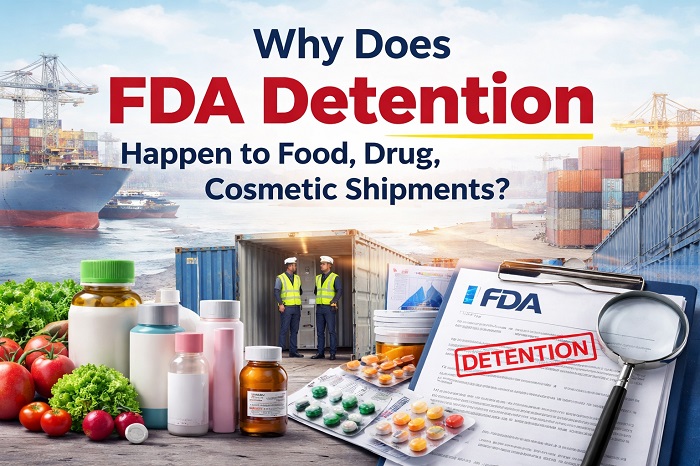
Importing regulated products into the United States is a highly structured process governed by strict federal rules. Every shipment of food, drugs, cosmetics, dietary supplements, or medical products is subject to review by the U.S. Food and Drug Administration (FDA). When something appears non-compliant, unsafe, or improperly documented, the FDA may take immediate action known as an fda detention.
An fda detention means the shipment is temporarily held at the port of entry and cannot be legally distributed or sold in the United States until the issue is resolved. This action is not uncommon, and it affects importers of all sizes, from small businesses to large global manufacturers.
The purpose of FDA detention is preventive. The agency aims to stop potentially unsafe or misbranded products before they enter the marketplace. However, for importers, this process can cause delays, financial losses, inventory disruption, and even permanent refusal of goods.
This article provides a comprehensive, in-depth explanation of why fda detention happens, how the process works, what triggers enforcement actions, and how businesses can respond effectively to protect their shipments and maintain compliance.
Understanding FDA Detention in the Import System
What is FDA Detention?
An fda detention occurs when the FDA determines that a regulated product may violate the Federal Food, Drug, and Cosmetic Act (FDCA) or related regulations. The shipment is physically or administratively detained at the U.S. port of entry.
Products subject to detention include:
- Packaged and raw food products
- Pharmaceuticals and active ingredients
- Cosmetic and personal care products
- Medical devices and equipment
- Dietary supplements and herbal products
- Animal feed and pet food
When a shipment is placed under fda detention, it is not automatically refused. Instead, the importer is given an opportunity to respond with evidence and documentation to demonstrate compliance.
Why FDA Detention Exists
The FDA uses detention as a risk-based enforcement tool. The goal is to prevent harm to consumers by ensuring only safe, properly labeled, and compliant products enter the U.S. market.
The system is designed to:
- Prevent contaminated or adulterated products from distribution
- Ensure accurate labeling and truthful marketing claims
- Enforce manufacturing safety standards
- Maintain supply chain integrity
- Protect public health at the border level
How FDA and Customs Work Together in Detention Cases
The Role of Customs and Border Protection
When shipments arrive in the United States, they are first processed by U.S. Customs and Border Protection (CBP). CBP collects import documentation and shares data with the FDA.
CBP and FDA work together through automated systems that flag high-risk shipments. If concerns arise, CBP will hold the shipment and notify the FDA for further inspection.
FDA Risk-Based Screening System
The FDA uses an advanced risk evaluation system that considers:
- Product category and classification
- Country of origin
- Manufacturer history
- Prior violations or import alerts
- Previous inspection outcomes
- Random compliance screening
If the system identifies risk indicators, the shipment may immediately be placed under fda detention.
Major Reasons Why FDA Detention Happens
Understanding the root causes of fda detention is essential for importers who want to reduce risk and maintain smooth operations.
1. Labeling Violations and Misbranding
Labeling issues are one of the most common reasons for detention. FDA regulations require strict compliance in how products are labeled and presented.
Common labeling violations include:
- Missing ingredient lists or incorrect ingredient order
- Absence of allergen declarations
- Inaccurate nutrition facts panels
- Improper drug labeling instructions
- Missing manufacturer or distributor details
- False or misleading health claims
Even minor labeling inconsistencies can trigger an fda detention, especially for food and supplement imports.
Misbranding also includes exaggerated marketing claims such as “cures diseases” or “guaranteed weight loss,” which are not permitted under FDA law.
2. Adulteration and Safety Concerns
Adulteration refers to products that are unsafe or contaminated. The FDA takes this category extremely seriously because it directly impacts public health.
Products may be detained due to:
- Microbial contamination such as salmonella or E. coli
- Presence of heavy metals like lead or mercury
- Use of prohibited additives or chemicals
- Unsanitary manufacturing conditions
- Spoiled or degraded ingredients
If the FDA suspects contamination, it will place the shipment under fda detention until laboratory testing or further investigation is completed.
3. Manufacturing Non-Compliance
FDA regulations require that products are manufactured under proper conditions. Facilities must follow Good Manufacturing Practices (GMP).
Common manufacturing issues include:
- Unregistered facilities
- Lack of quality control systems
- Poor sanitation standards
- Missing production records
- Use of unapproved suppliers
If a manufacturer has a history of violations, any shipment from that facility is more likely to face fda detention.
4. Documentation Errors and Filing Mistakes
Import documentation plays a critical role in FDA clearance. Even small errors can result in detention.
Common documentation problems include:
- Incorrect product classification codes
- Missing Prior Notice filings
- Inconsistent invoice details
- Incorrect country of origin declarations
- Missing shipping documentation
The FDA relies heavily on accurate paperwork. Any inconsistency may trigger an fda detention for verification.
5. Import Alerts and Prior Violations
The FDA maintains a system of Import Alerts that identify companies or products with repeated violations.
If a product appears on an Import Alert list, it may be automatically detained without physical inspection.
Reasons include:
- Previous contamination issues
- Repeated labeling violations
- History of refusal entries
- Non-compliant manufacturing facilities
Being listed on an Import Alert significantly increases the risk of fda detention for future shipments.
The FDA Detention Process Step-by-Step
Understanding the process helps importers respond effectively and avoid unnecessary delays.
Step 1: Shipment Arrival and Initial Screening
When the shipment arrives at a U.S. port, CBP and FDA systems review the entry electronically. If the shipment triggers risk indicators, it is flagged for review.
At this stage, the shipment may be:
- Cleared immediately
- Selected for inspection
- Placed under fda detention
Step 2: Official Detention Notice
If detained, the FDA issues a Notice of FDA Action. This document includes:
- Reason for detention
- Violated regulations
- Required corrective actions
- Deadline for response
The shipment cannot move forward until the issue is resolved.
Step 3: Importer Response Period
The importer is allowed to respond with supporting evidence. This is a critical stage because a strong response can lead to release.
Step 4: FDA Review of Evidence
FDA officials review submitted documentation, testing results, and corrective actions. They may request additional information if needed.
Step 5: Final Decision
The FDA will either:
- Release the shipment
- Extend detention
- Refuse entry
- Order re-export or destruction
Documentation Required for FDA Detention Response
A successful response to fda detention depends heavily on documentation quality.
Product and Manufacturing Documents
- Ingredient lists and formulations
- Manufacturing process descriptions
- GMP certifications
- Facility registration records
Labeling Corrections
- Revised packaging artwork
- Updated nutrition facts
- Corrected claims and warnings
- Compliance verification reports
Import and Shipping Records
- Commercial invoices
- Bills of lading
- Packing lists
- Prior notice confirmations
Laboratory Testing Reports
- Microbiological test results
- Chemical composition analysis
- Stability testing data
- Contaminant screening results
Common Mistakes Importers Make During FDA Detention
Many importers worsen their situation by making avoidable errors after receiving an fda detention notice.
Delayed Response
Missing response deadlines can result in automatic refusal of the shipment.
Incomplete Documentation
Submitting partial or unclear documentation weakens the case.
Ignoring FDA Requirements
Failing to address specific violations listed in the detention notice leads to rejection.
Lack of Technical Support
Without regulatory expertise, responses may fail to meet FDA standards.
Consequences of FDA Detention
An fda detention can have significant operational and financial impacts.
Financial Losses
- Storage and port fees
- Transportation delays
- Product spoilage
- Lost sales opportunities
Supply Chain Disruption
- Delayed product launches
- Retail contract violations
- Inventory shortages
Regulatory Risk
- Increased scrutiny on future shipments
- Possible Import Alerts
- Higher inspection frequency
Brand Reputation Damage
Frequent detentions can reduce trust with distributors and consumers.
How to Prevent FDA Detention
Preventing fda detention requires proactive compliance strategies.
Strengthen Label Compliance
Ensure all labels meet FDA requirements before shipment.
Verify Manufacturing Standards
Work only with certified and compliant facilities.
Conduct Pre-Export Testing
Test products before shipment to identify potential safety issues.
Maintain Accurate Documentation
Ensure all import records are complete and consistent.
Monitor FDA Import Alerts
Avoid suppliers or products listed under FDA enforcement actions.
Role of FDA Attorneys in Detention Cases
FDA attorneys play a critical role in resolving fda detention issues efficiently.
How They Help
- Analyze detention notices and violations
- Prepare compliant legal responses
- Communicate with FDA officials
- Review labeling and documentation
- Reduce risk of refusal or destruction
Legal support is especially important for high-value or recurring detention cases.
Conclusion
An fda detention is a serious regulatory action that signals potential non-compliance with U.S. import laws. It can occur due to labeling errors, safety concerns, manufacturing issues, documentation mistakes, or prior violations.
While detention can disrupt business operations, it is often preventable with proper compliance systems, accurate documentation, and proactive regulatory oversight.
Importers who understand FDA requirements and respond quickly to detention notices are in a much stronger position to secure product release and maintain smooth supply chain operations.
Call to Action
If your shipment is currently under fda detention or you want to prevent future import delays, professional guidance is essential. At MyFDALawyers.com, we help businesses navigate FDA regulations, prepare strong detention responses, and protect their products from unnecessary refusal.
Taking early action can significantly improve your chances of release and keep your business moving forward without costly interruptions.


Leave a Reply