

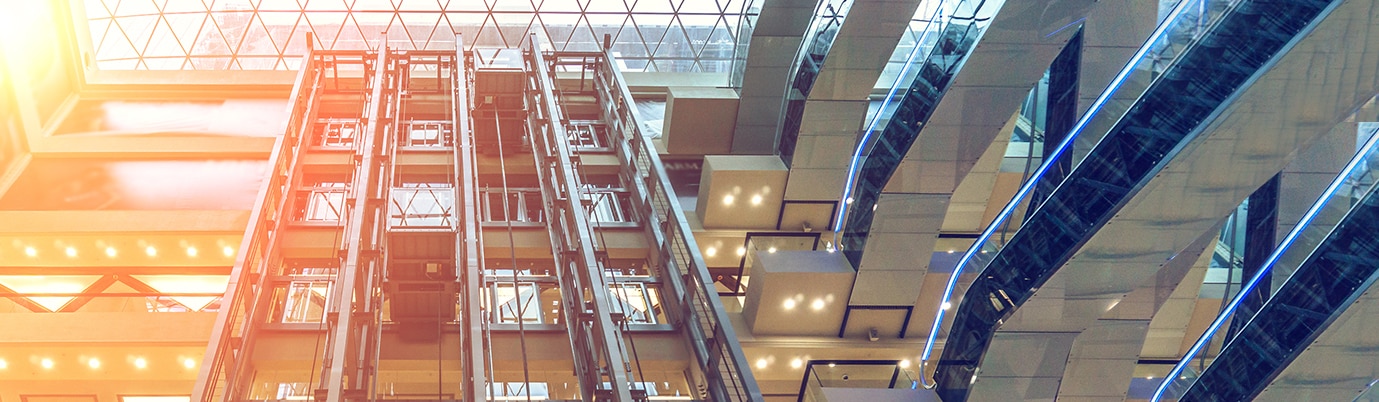
Nowadays, elevators have become one of the most essential features in high-rise buildings. They facilitate smooth and efficient vertical transportation, making it easier to move between floors. However, even the most advanced and robust elevator systems can become outdated and inefficient over time. In some cases, a complete replacement of the lift may be required, while in others, opting for modernisation may be a more practical solution.
What is Elevator Modernisation?
Elevator modernisation, as the name suggests, is the process of upgrading key components of an existing elevator system rather than replacing the entire setup. Over time, lifts face several operational issues such as wear and tear of mechanical systems, outdated electrical components or incompatible technological features. These issues can lead to frequent breakdowns, slower response times or higher energy consumption. Addressing these challenges is where a trusted elevator modernization company becomes essential.
In elevator modernisation, all worn-out or obsolete parts are replaced with newer, advanced components. This helps resolves these issues and enhances the lift’s operational efficiency while keeping the core structure intact.
Key Areas of Elevator Modernisation
Elevator modernisation typically focuses on specific components that have a direct impact on performance and safety. These include:
- Control System
Control systems are often referred to as the “brain” of an elevator as they process inputs from buttons and sensors and execute certain commands. Traditional relay-based controllers are often less efficient. During elevator modernisation, they are replaced with modern microprocessor-based control systems. This improves response time and accuracy in fault detection, making the elevator system more reliable.
- Drive and Motor
Upgrading to modern drive systems helps in reducing overall electricity consumption. In addition to improving energy efficiency, they also ensure smoother acceleration and deceleration. Such upgrades significantly reduce the mechanical stress on the elevator system and help prolong its lifespan.
- Door System
Elevator doors are among the most frequently used components. Installing a new, advanced door system enables faster opening and closing and improves the accuracy of safety sensors. This plays a crucial role in enhancing the overall user experience.
- Safety System
Modern elevators come equipped with several different features to ensure user safety. When you modernise an old lift, it may include upgrades to safety brakes, overspeed governors, and emergency systems to meet current safety standards.
- Cabin and Interface
Elevator modernisation also focuses on improving the aesthetics and functionality of the passenger cabin. This may include upgrading interior elements like LED lighting, wall panels, flooring, and handrails to enhance both visual appeal and usability for passengers.
Choosing between elevator modernisation and a new installation is a strategic decision. In some cases, a complete replacement of the elevator system may be necessary, while in others, partial upgrades may be more practical. Factors such as system age, maintenance frequency, safety requirements, etc., should be carefully evaluated before making a decision.
Mitsubishi Electric India is a leading elevator modernisation company. If you want to upgrade your existing elevator system in a cost-effective way, you can reach out to them. Apart from modernisation services, they also offer a wide range of new commercial and residential lifts in India that you can choose from.


Leave a Reply