

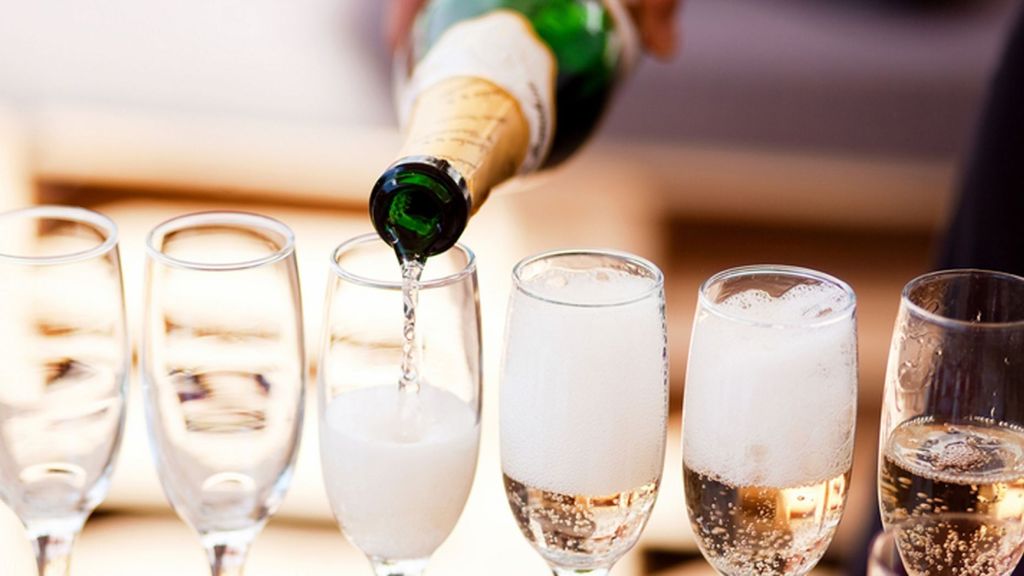
The world of beverages has seen a refreshing shift. More people are embracing mindful drinking, seeking options that allow them to celebrate without compromising their health, clarity, or personal values. Enter the rise of alcohol-free sparkling drinks, elegant, festive, and satisfying alternatives that capture the essence of traditional champagne without the alcohol content.
Whether you’re abstaining for health reasons, religious beliefs, pregnancy, or simply personal preference, there has never been a better time to explore these refined options. The modern zero alcohol champagne alternative is no longer an afterthought; it’s a category thriving with innovation, taste, and sophistication.
The Changing Culture of Celebration
For decades, champagne has been synonymous with celebration, weddings, promotions, holidays, and milestones. However, social norms are evolving. Today, inclusivity matters more than ever, and that includes offering beverage choices for everyone at the table.
The demand for alcohol-free options is driven by a growing awareness of wellness and balance. People are increasingly conscious of what they consume, and they want drinks that align with their lifestyle without sacrificing the joy of a celebratory toast.
What Is Alcohol-Free Champagne?
Alcohol-free champagne, often referred to as a zero alcohol champagne alternative, is crafted to mimic the taste, aroma, and effervescence of traditional champagne. While true champagne must legally contain alcohol and come from a specific region, these alternatives use dealcoholized wine or carefully blended ingredients to recreate a similar experience.
The process typically involves fermenting grapes like traditional wine, then removing the alcohol through advanced techniques such as vacuum distillation. The result is a beverage that retains much of the original flavor profile while being completely alcohol-free.
Flavor Profiles: More Than Just Grape Juice
Gone are the days when non-alcoholic sparkling drinks tasted overly sweet or artificial. Today’s options offer complexity and depth. You’ll find notes of green apple, citrus, pear, and even subtle hints of toasted bread or floral undertones—characteristics commonly associated with fine sparkling wines.
A well-crafted zero alcohol champagne alternative balances acidity, sweetness, and carbonation to deliver a crisp and refreshing finish. This makes it suitable not just for casual sipping but also for pairing with meals.
Health Benefits and Lifestyle Appeal
One of the main reasons people switch to alcohol-free options is health. Traditional champagne contains alcohol, which can impact sleep, hydration, and overall well-being. In contrast, alcohol-free alternatives often have fewer calories and no intoxicating effects.
This makes them ideal for those who want to stay sharp and energized while still enjoying a celebratory drink. Additionally, they’re a great option for designated drivers, athletes, and individuals following specific dietary or wellness plans.
Perfect for Every Occasion
From formal events to relaxed gatherings, alcohol-free champagne alternatives fit seamlessly into any setting. Serve them at weddings to ensure all guests feel included, or pour a glass at a dinner party where not everyone drinks alcohol.
They’re also becoming popular in corporate environments, where professionalism and inclusivity go hand in hand. Offering a zero alcohol champagne alternative allows everyone to participate in toasts without concern.
Pairing With Food
Just like traditional champagne, alcohol-free sparkling drinks pair beautifully with a variety of dishes. Their acidity cuts through rich foods, making them an excellent match for creamy sauces, cheeses, and fried appetizers.
They also complement lighter fare such as salads, seafood, and fruit-based desserts. The versatility of these beverages makes them a valuable addition to any dining experience.
The Craft Behind the Bubbles
Creating a high-quality alcohol-free sparkling drink is no simple task. Producers invest significant time and expertise into perfecting their recipes. From selecting the right grape varieties to fine-tuning the carbonation levels, every detail matters.
Some brands even age their base wines before removing the alcohol, ensuring a more authentic taste. This dedication to craftsmanship is what sets premium products apart from basic sparkling juices.
Sustainability and Ethical Choices
Another appealing aspect of alcohol-free alternatives is their alignment with sustainable and ethical living. Many producers focus on organic farming practices, eco-friendly packaging, and reduced carbon footprints.
Choosing a zero alcohol champagne alternative can be part of a broader commitment to conscious consumption, supporting brands that prioritize both quality and responsibility.
Tips for Choosing the Right Option
With so many products on the market, selecting the right one can feel overwhelming. Here are a few tips to guide your choice:
Look for options labeled as dealcoholized wine rather than just sparkling juice.
Check the ingredient list for natural flavors and minimal added sugars.
Consider the occasion—some blends are better suited for formal events, while others are ideal for casual gatherings.
Read reviews or try a few different brands to find your preferred taste profile.
The Future of Alcohol-Free Sparkling Drinks
The popularity of alcohol-free beverages shows no signs of slowing down. As technology and consumer demand continue to evolve, we can expect even more refined and diverse options in the future.
From boutique producers to established wine houses, many are investing in this growing category. The result is a market that offers something for everyone, whether you’re a seasoned wine enthusiast or simply curious about trying something new.
Raising a Glass Without Compromise
Celebration is about connection, joy, and shared moments—not necessarily alcohol. With the rise of sophisticated alternatives, it’s easier than ever to enjoy the sparkle and elegance of champagne without the spirits.
A thoughtfully chosen zero alcohol champagne alternative allows you to participate fully in life’s special occasions while staying true to your preferences and values. It’s not about replacing tradition—it’s about expanding it to include everyone.


Leave a Reply