

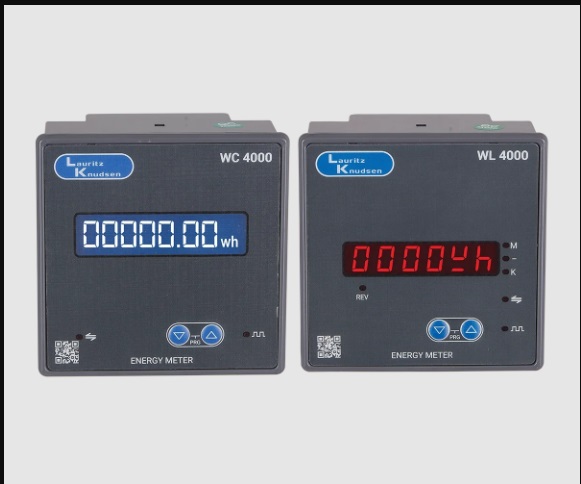
In any electrical installation, the ability to measure, monitor, and record electrical parameters is fundamental to safe operation, efficient energy use, and effective maintenance. The panel meter has been a fixture of electrical control panels for generations, providing operators with visibility into the performance of their electrical systems. As digital technology has advanced, the traditional analog panel meter has been replaced by sophisticated digital panel meters that measure multiple parameters simultaneously, communicate with management systems, log historical data, and generate alarms when values deviate from normal. This transformation in measurement technology has created new possibilities for energy management, predictive maintenance, and operational optimization that were not possible with analog instrumentation.
The Evolution from Analog Panel Meter to Digital Panel Meters
The original panel meter was a moving-coil instrument with a pointer and a calibrated scale. Robust and easy to read, it served industry well for many decades. However, it could only display one parameter at a time, was subject to reading error from parallax, and had no capability to communicate its readings to other systems. As facilities grew in complexity and the demand for energy data increased, these limitations became increasingly problematic.
Modern digital panel meters overcome all these limitations. A single multifunction digital panel meters unit can simultaneously measure and display all three-phase voltages, all three-phase currents, active power, reactive power, apparent power, power factor, frequency, total harmonic distortion, and cumulative energy consumption. The measured data can be transmitted to SCADA systems, building management platforms, and energy management software via communication protocols such as Modbus RTU, Modbus TCP, and Profibus, turning each digital panel meters device into a data source for the facility’s intelligence layer. Lauritz Knudsen Electrical & Automation offers digital panel meters as part of its Energy Management Products portfolio, designed to integrate with the company’s SmartComm EMS platform.
Types of Digital Panel Meters
Here are the different types of digital panel meters commonly used for accurate monitoring and measurement of electrical parameters across various industrial and commercial applications, helping improve efficiency, ensure reliability, and support better energy management practices.
Single-Parameter Meters
The simplest form of digital panel meters displays a single parameter such as voltage or current. These units are compact, cost-effective, and suitable for monitoring applications where only one measurement is needed at a specific point in the panel. They are commonly used in motor control centers to display motor current, in distribution boards to display feeder voltage, and in any location where a quick visual check of a specific parameter is needed by the operator.
Multifunction Power Analyzers
Multifunction digital panel meters, often called power analyzers, measure and display a comprehensive range of power quality and energy parameters. These are used in main distribution boards, energy sub-metering applications, and anywhere that detailed power quality information is required for energy management, tariff billing, or power quality assessment. Their communication capability makes them a natural fit as the measurement layer of an energy management system.
Energy Meters With Tariff Functions
Some digital panel meters include multiple tariff registers that track energy consumption in different time-of-use periods. This supports internal cost allocation in facilities with multiple tenants or cost centers, as well as verification of utility billing and management of demand response programs.

Also Read: A Complete Guide to Multi-Function Meter
Role of Digital Panel Meters in Energy Management
One of the most significant applications of digital panel meters in modern facilities is as the data collection layer of an Energy Management System (EMS). By deploying digital panel meters at key measurement points throughout the electrical distribution system and connecting them to a central EMS platform, facility managers gain real-time visibility into energy consumption patterns, can identify areas of waste, track performance against efficiency targets, and generate reports that support management decision-making and regulatory reporting. Lauritz Knudsen Electrical & Automation provides both digital panel meters and the SmartComm EMS platform as integrated components of a complete energy management solution.
Selecting the Right Panel Meter
Choosing the right panel meter for a given application involves several considerations. The number of parameters to be measured determines whether a single-parameter or multifunction unit is appropriate. The required accuracy class affects cost and suitability for billing applications, where class 0.5 or class 1 accuracy may be required. The communication protocol must match the platform to which the meter will report. Display type and size must suit the viewing conditions and distance in the panel room. And the physical panel cutout dimensions of the panel meter must match the space available in the distribution board door.
Conclusion
The evolution from simple analog panel meter technology to sophisticated digital panel meters has transformed the way electrical installations are monitored and managed. Today’s digital panel meters are active participants in intelligent electrical systems, not just passive display devices. They collect, communicate, and make available the measurement data that drives energy management, predictive maintenance, and operational optimization. For any facility serious about understanding and improving its electrical performance, investment in high-quality digital panel meters connected to an energy management platform is essential. Lauritz Knudsen Electrical & Automation offers this complete solution through its Energy Management Products range and SmartComm EMS platform.


Leave a Reply