

A walk past any busy Manhattan block reveals a familiar rhythm—glass-front salons, soft lighting, stylists hovering near mirrors, and clients scrolling their phones while waiting for transformations. On the surface, everything looks polished. Predictable. Almost identical.
But stepping inside a New York hair studio quickly challenges that assumption. The experience is rarely just about a haircut. It’s a mix of consultation, expectation management, technical execution, and subtle psychology playing out in real time.
And not everything goes as smoothly as social media suggests.
First Impressions Are Designed, Not Accidental
The moment the door opens, the environment speaks first. Lighting, scent, music volume—everything is carefully tuned. Yet the real intention isn’t luxury alone. It’s control of pace.
A good studio slows people down. That matters more than it sounds.
Clients often arrive with reference photos, rushed ideas, or last-minute decisions. The reception area acts like a buffer zone. A pause between real life and transformation. Still, not every studio handles this transition well. Some feel rushed from the start. Others overdo the calm, making the wait feel longer than necessary.
Balance is the keyword, even if nobody says it out loud.
Consultation: Where Expectations Are Shaped
This is where things quietly begin to diverge between average and excellent studios.
A proper consultation in a New York setting isn’t a quick “what are we doing today?” It tends to dig deeper—hair history, maintenance habits, even lifestyle patterns. Someone working long shifts won’t manage high-maintenance styling. Obvious, yet often overlooked.
Ever noticed how some results look great on day one but fall apart within a week? That usually starts here. Miscommunication early on creates problems later. Strange, but true.
Strong stylists tend to correct unrealistic expectations gently. Not dismissively. More like subtle recalibration. A softer version of honesty.
Technical Execution Isn’t Always What It Looks Like
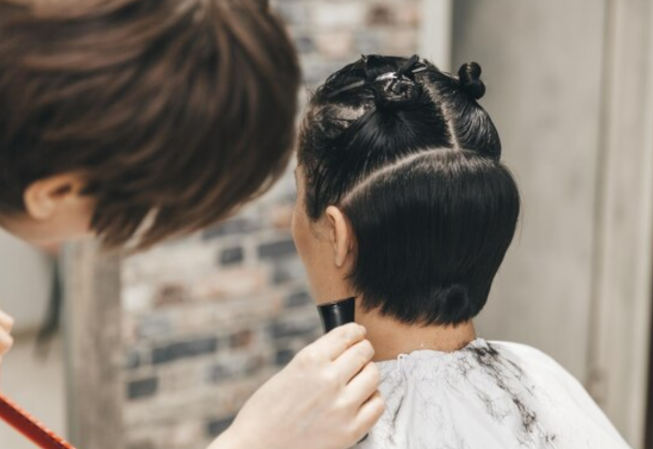
Inside the studio, precision becomes visible in small moments—sectioning hair, timing color application, adjusting angles while cutting.
What clients see is the final shape. What matters more is the method behind it.
For example, layering isn’t just aesthetic. It affects how hair moves weeks later. Color blending isn’t just visual—it determines how growth lines appear over time. These details don’t show up in Instagram posts, but they define whether a style holds or collapses.
And here’s the part rarely discussed: even experienced stylists occasionally misjudge texture behavior. Hair has its own mood. Slightly unpredictable.
Waiting Isn’t Empty Time
There’s a strange rhythm inside studios. Processing times, color development, styling transitions.
Clients often assume nothing is happening during these pauses. In reality, it’s when most of the work is already in motion.
Tonality is setting. Structure is forming. Adjustments are being mentally planned. A quiet calculation phase.
Still, for the client sitting under foils or waiting near the wash station, time feels different. Longer. Slightly impatient. That tension is part of the experience, even if no one admits it.
The Emotional Layer Most People Don’t Talk About
Hair changes are rarely just cosmetic. They carry timing—events, moods, transitions in life.
A new cut after a breakup. A color shift before a job interview. Subtle reinventions that feel small but aren’t.
Stylists in New York see this pattern daily. They don’t always comment on it, but they notice. And that awareness often influences how they approach the final result—softer edges, safer choices, or occasionally something bold when confidence is obvious.
It’s not just technique. It’s reading the room.
When Things Don’t Match Expectations
Not every appointment ends in satisfaction. That’s an uncomfortable truth.
Sometimes the reference image doesn’t translate well. Sometimes communication gaps appear too late. Sometimes hair simply refuses to behave the way planned.
Good studios handle these moments differently. Instead of rushing explanations, they adjust calmly—minor corrections, tone adjustments, styling fixes. Not dramatic, but effective.
Bad experiences usually come from denial. Refusing to acknowledge mismatch. That’s where trust breaks.
Aftercare: The Forgotten Half of the Service
The appointment doesn’t really end when someone walks out the door.
Post-visit behavior matters—how the hair grows out, how easy it is to manage, how it reacts to washing and weather. New York humidity alone changes outcomes more than most expect.
Some studios offer detailed guidance. Others assume clients already know. The difference becomes obvious after a week or two.
And honestly, that’s when the real judgment begins.
The Reality of Choosing in a Crowded City
With so many options, choosing a studio can feel random. Reviews help, but they rarely tell the full story. Aesthetic-heavy marketing can be misleading. Word-of-mouth still carries surprising weight in neighborhoods where consistency matters more than virality.
Some places are booked out for months. Others sit quietly but deliver reliable results every time. Visibility doesn’t always equal quality.
Final Layer: What “Good” Actually Means Here
At some point, expectations shift. It stops being about finding the most viral spot or the most expensive chair.
A truly reliable top hair salon in New York is usually defined by rtion—consistent outcomes, predictable growth, honest communication, and a sense that the stylist understands not just hair, but people behind it.
Nothing overly dramatic. Nothing exaggerated.
Just results that quietly make sense, long after the appointment ends.


Leave a Reply