

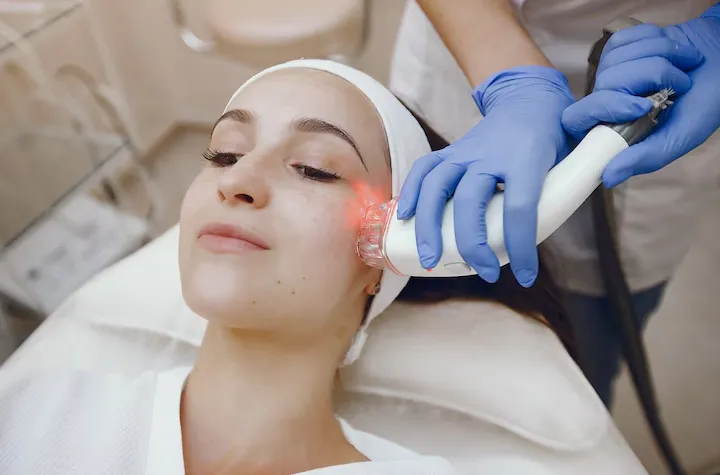
Advances in medical technology have expanded the role of laser treatment far beyond cosmetic procedures. Today, lasers support dermatology, rehabilitation, and specialised surgical care across multiple medical disciplines. By delivering concentrated light energy with precision, laser-based procedures can target specific tissues while preserving surrounding structures. This level of accuracy has encouraged wider adoption in modern healthcare. From addressing skin-related concerns to assisting with complex surgical interventions, lasers continue to contribute to treatment approaches that prioritise precision, safety, and recovery.
Understanding How Medical Lasers Work
Medical lasers are advanced devices that generate highly focused beams of light at specific wavelengths for diagnostic and therapeutic purposes. Different wavelengths interact with tissues in different ways, allowing healthcare professionals to select the most appropriate laser system for a particular condition.
When laser energy reaches targeted tissue, it can cut, remove, coagulate, or stimulate biological processes depending on the treatment goal. In dermatology, specific wavelengths target melanin or haemoglobin, while in surgery, lasers are used for precise tissue removal and coagulation. Their controlled energy delivery helps minimise disruption to surrounding tissues and may support healing and recovery.
The Expanding Role of Lasers in Dermatology
One of the most recognised applications of laser technology is in dermatology. Different laser systems are used to address both medical and aesthetic concerns.
Some common dermatological applications include:
- Hair Reduction: Laser systems target hair follicles to reduce unwanted hair growth over multiple sessions.
- Skin Resurfacing: Fractional laser procedures stimulate collagen remodelling and support skin renewal.
- Pigmentation Management: Specific wavelengths can help address uneven pigmentation and selected vascular lesions.
- Scar Improvement: Laser-assisted procedures may improve the appearance of acne scars and post-surgical scars.
Specialist dermatology centres also use laser treatments as part of personalised care plans. A thorough skin assessment helps doctors choose the most suitable laser, treatment settings, and number of sessions needed for effective results.
Laser Therapy in Rehabilitation and Recovery
Lasers also play a role in rehabilitation medicine. Low-level laser therapy and photobiomodulation techniques may be incorporated into treatment plans for selected musculoskeletal conditions.
Healthcare professionals may consider laser-assisted rehabilitation for conditions such as:
- Soft Tissue Injuries: Laser therapy may support cellular activity involved in tissue repair and recovery.
- Osteoarthritis Management: Some rehabilitation programmes use laser therapy to support joint mobility and physical function.
- Wound Care Support: Controlled laser applications may assist tissue healing in selected wound management settings.
- Lymphoedema Care: Laser-based therapies may support limb mobility and help reduce tissue stiffness associated with fluid accumulation.
Rehabilitation often requires a multidisciplinary approach, so laser therapy is typically combined with physiotherapy, mobility exercises, and regular clinical assessments. This integrated approach helps track recovery and allows treatment plans to be adjusted as needed.
How Lasers Are Transforming Surgical Procedures
Laser technology has significantly advanced modern surgery by enabling greater precision and control during procedures. Surgeons increasingly use laser-assisted techniques for their tissue-selective capabilities and clinical accuracy.
Key advantages include:
- Accurate Tissue Removal: Lasers can target abnormal tissue while minimising impact on surrounding healthy structures.
- Improved Surgical Visibility: Laser energy can seal small blood vessels during certain procedures, helping maintain a clearer operative field.
- Reduced Tissue Injury: Precise energy delivery may limit damage to nearby tissues and support recovery.
- Support for Minimally Invasive Procedures: Laser-assisted techniques can complement minimally invasive treatment approaches in selected specialities.
Many healthcare institutions now integrate advanced imaging, robotic platforms, and laser technology to enhance treatment planning and surgical precision. At hospitals such as BLK Max Super Speciality Hospital, these technologies support minimally invasive approaches across multiple specialities.
The Importance of Clinical Assessment Before Laser Procedures
Although laser treatments offer many benefits, the most suitable approach depends on a thorough medical evaluation. Not every patient or condition is appropriate for the same type of laser procedure.
Clinical assessment may include:
- Medical History Review: Existing health conditions can influence treatment decisions.
- Diagnostic Evaluation: Tests or specialist examinations may be needed before treatment.
- Risk Assessment: Factors such as skin type, tissue characteristics, and previous procedures are considered.
- Follow-Up Planning: Regular monitoring helps identify complications or recurrence early.
A personalised treatment plan helps ensure the procedure is appropriate for the patient’s needs and treatment goals.
Conclusion
As medical innovation continues, laser technology is expected to become even more integrated into routine healthcare. Researchers continue to explore new applications across dermatology, rehabilitation, oncology, and surgery. The growing combination of advanced imaging, minimally invasive techniques, and laser treatment reflects the ongoing shift towards more precise and patient-focused care. With appropriate clinical evaluation and specialist guidance, laser-based procedures are likely to remain an important part of modern medicine, from skin care to complex surgical interventions.


Leave a Reply