

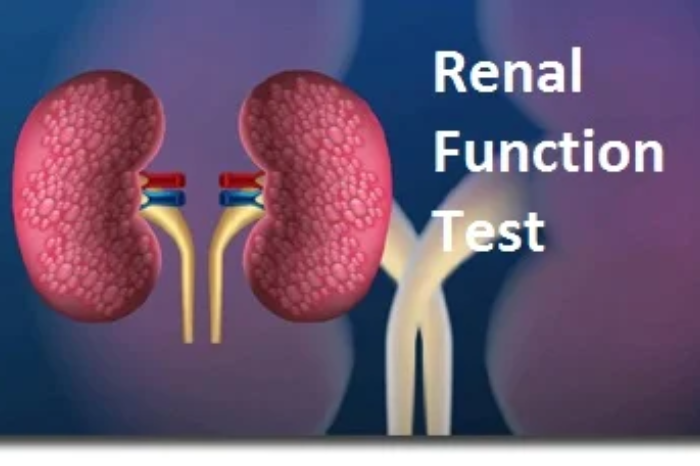
Your kidneys are among the most vital organs in your body, quietly performing essential functions every second. From filtering waste and balancing fluids to regulating blood pressure and producing important hormones, healthy kidneys are key to overall well-being. Yet, kidney-related issues often go unnoticed until they become serious. This is where renal function tests play a crucial role. Understanding their importance can help you stay ahead of potential health complications and maintain optimal kidney health.
What Are Renal Function Tests?
Renal function tests are a group of blood and urine tests designed to evaluate how well your kidneys are working. These tests measure key markers such as creatinine, blood urea nitrogen (BUN), and electrolyte levels. In addition, urine tests may assess protein levels, which can indicate kidney damage.
These tests are commonly recommended during routine health checkups or when symptoms suggest possible kidney dysfunction. They are simple, non-invasive, and provide valuable insights into your body’s internal balance.
Why Are Renal Function Tests Important?
Kidney diseases often develop silently. Many individuals do not experience noticeable symptoms in the early stages, which makes early detection challenging. Renal function tests act as a preventive tool, allowing healthcare providers to identify problems before they worsen.
One of the biggest advantages of these tests is early diagnosis. Detecting kidney issues at an early stage can significantly improve treatment outcomes and prevent complications such as chronic kidney disease (CKD) or kidney failure. Additionally, these tests help monitor existing conditions, ensuring that treatment plans remain effective.
Key Components of Renal Function Tests
Understanding the components of renal function tests can give you a clearer picture of your kidney health:
- Creatinine Test: Measures the level of creatinine in the blood. High levels may indicate impaired kidney function.
- Blood Urea Nitrogen (BUN): Assesses the amount of urea nitrogen in your blood, which can rise when kidneys are not functioning properly.
- Glomerular Filtration Rate (GFR): Estimates how efficiently your kidneys are filtering waste.
- Urinalysis: Checks for protein, blood, or other abnormalities in urine.
- Electrolyte Panel: Evaluates sodium, potassium, and other minerals that kidneys help regulate.
Each of these markers provides specific insights, and together they offer a comprehensive assessment of kidney performance.
Who Should Get a Kidney Health Check?
While renal function tests are beneficial for everyone, certain individuals should prioritize regular testing. People with diabetes, high blood pressure, or a family history of kidney disease are at a higher risk. Similarly, individuals who are overweight, smokers, or those taking long-term medications should also consider periodic kidney evaluations.
Age is another factor. As you grow older, kidney function may naturally decline, making regular screening even more important. Even if you feel healthy, routine testing can uncover hidden issues and help you take proactive steps.
Symptoms That Should Not Be Ignored
Although early kidney problems may not cause symptoms, some warning signs should prompt immediate testing:
- Persistent fatigue or weakness
- Swelling in the legs, ankles, or face
- Changes in urination patterns
- Foamy or bloody urine
- Difficulty concentrating
- High blood pressure
If you notice any of these symptoms, it is advisable to consult a healthcare provider and undergo renal function testing promptly.
Benefits of Early Detection
Early detection of kidney issues can make a significant difference in long-term health outcomes. It allows for timely intervention, which may include lifestyle changes, medication, or further diagnostic tests. Managing kidney health early can prevent complications such as cardiovascular diseases, anemia, and bone disorders.
Moreover, early diagnosis reduces healthcare costs in the long run. Treating advanced kidney disease or undergoing dialysis can be expensive and physically demanding. Preventive testing is a simple and cost-effective way to avoid these challenges.
How to Prepare for a Renal Function Test
Preparing for a renal function test is usually straightforward. In most cases, you may not need to fast, but your doctor might give specific instructions depending on the type of test. It is important to inform your healthcare provider about any medications or supplements you are taking, as some can affect test results.
Staying hydrated is also essential, especially for urine tests. Following the recommended guidelines ensures accurate results and helps your doctor make informed decisions about your health.
Lifestyle Tips for Maintaining Healthy Kidneys
While renal function tests are essential, maintaining a healthy lifestyle is equally important for kidney health. Here are some practical tips:
- Stay Hydrated: Drinking adequate water helps kidneys remove toxins efficiently.
- Eat a Balanced Diet: Reduce salt intake and include fruits, vegetables, and whole grains.
- Control Blood Sugar and Blood Pressure: These are major contributors to kidney damage.
- Exercise Regularly: Physical activity improves overall health and reduces risk factors.
- Avoid Overuse of Painkillers: Certain medications can harm kidneys if taken excessively.
- Quit Smoking: Smoking reduces blood flow to the kidneys and worsens their function.
Adopting these habits can significantly lower your risk of kidney disease and improve your overall quality of life.
Role of Technology in Kidney Health Monitoring
With advancements in healthcare technology, accessing diagnostic services has become easier than ever. Platforms like Instacare.pk are simplifying the process by connecting patients with reliable laboratories and healthcare providers. Whether you need to book a renal function test in lahore or consult a specialist, such platforms offer convenience, transparency, and accessibility.
By leveraging digital healthcare solutions, individuals can take control of their health without unnecessary delays. This is particularly beneficial for those who require regular monitoring or follow-up tests.
When Should You Repeat the Test?
The frequency of renal function testing depends on your health condition and risk factors. For healthy individuals, annual testing may be sufficient. However, those with chronic conditions like diabetes or hypertension may need more frequent monitoring.
Your doctor will recommend the appropriate schedule based on your medical history and current health status. Regular follow-ups ensure that any changes in kidney function are detected early and managed effectively.


Leave a Reply