

A quiet street in Vancouver’s West Side can look almost understated at first glance. Mature trees, glass-heavy façades, clean architectural lines. Nothing loud. Nothing trying too hard. But stepping inside these homes tells a different story entirely—layered textures, intentional lighting, and spaces that feel more “composed” than simply decorated.
That’s the essence of high-end interior design Vancouver—not decoration for attention, but environments built with restraint, precision, and a kind of quiet confidence that doesn’t need to announce itself.
And once that design language is understood, it becomes difficult to unsee.
Luxury Here Is Not Loud, It’s Controlled
Vancouver doesn’t really embrace excessive design theatrics. Even luxury homes lean toward calm expression rather than visual overload.
There’s a reason for that.
The surrounding environment already does part of the design work—mountains, ocean light, dense greenery. Interiors respond to that context instead of competing with it. High-end spaces tend to mirror that balance, using natural tones, softened edges, and materials that feel grounded rather than artificial.
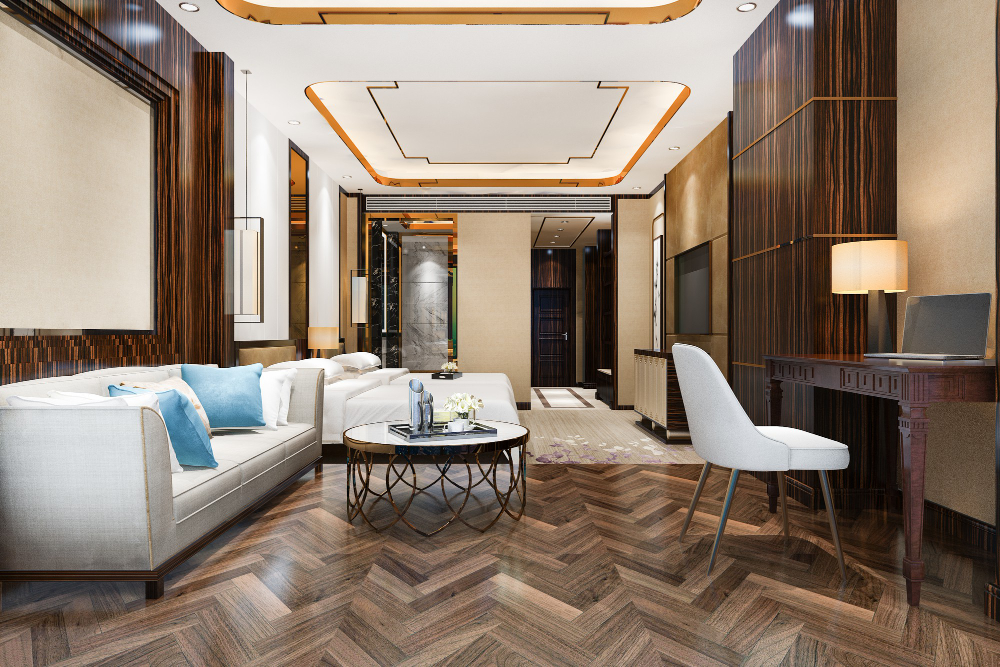
Strange thing is, the more minimal the space looks, the more intentional it usually is.
Nothing is accidental. Even silence feels designed.
Architecture Sets the Emotional Tone
Before furniture enters the conversation, architecture already decides half the outcome.
Open layouts dominate luxury Vancouver homes, but openness alone isn’t the point. It’s how space flows. Sightlines matter. Movement matters. Even how daylight travels across surfaces during different hours shapes the design strategy.
Designers often treat architecture like a base composition—everything else builds on it.
Ever noticed how some homes feel calm even when empty? That’s architectural discipline at work. Not decoration.
Material Selection as a Subtle Language
Luxury interiors rarely rely on loud visual statements. Instead, they speak through materials.
Stone, oak, brushed metal, glass—used sparingly, but purposefully. Each material carries a different emotional weight.
Stone feels grounded. Wood introduces warmth. Metal adds restraint. Glass creates openness.
The interesting part is how these materials interact rather than stand alone. A poorly balanced mix can feel disjointed quickly. A well-balanced one feels almost effortless.
Still, effort is exactly what it takes.
Lighting: The Quiet Architect of Mood
Lighting in high-end homes is rarely treated as an afterthought.
It behaves like architecture within architecture.
Layered lighting—ambient, task, accent—creates depth that changes throughout the day. Morning light softens textures. Evening lighting tightens focus. Shadows are not eliminated; they are shaped.
That subtle manipulation of mood is often what separates luxury design from standard interiors.
Because without proper lighting, even expensive materials lose their presence.
Function Hidden Inside Aesthetics
Luxury doesn’t ignore function. It hides it.
Storage becomes architectural. Appliances disappear into cabinetry. Everyday utilities blend into design lines so seamlessly that nothing interrupts visual flow.
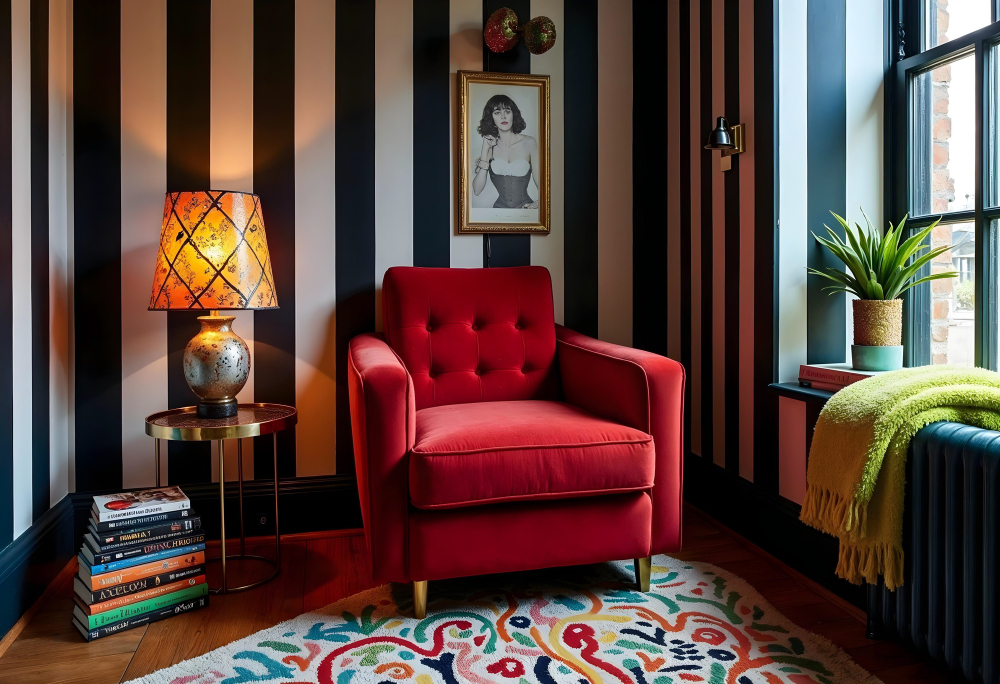
This is where true design discipline shows up. Not in what is added, but in what is removed from sight.
And yet, everything still works perfectly.
That balance—between usability and visual calm—is harder than it looks.
The Role of Personal Narrative in Design
High-end interiors are not copied templates. They are translations of lifestyle.
A home for quiet living near the coastline feels different from a downtown penthouse designed for social hosting. Both may use similar materials, but arrangement and intent shift completely.
Designers often build narratives into spaces without making them obvious. A reading corner positioned near natural light. A dining area oriented toward a view rather than a wall. Small decisions, big emotional impact.
Ever walked into a space and immediately felt “this makes sense”? That’s narrative design working quietly in the background.
The Balance Between Modern and Timeless
Trends pass quickly. Luxury interiors try not to.
Instead of chasing visual fashion, designers lean into long-term aesthetics—clean geometry, neutral palettes, and forms that don’t age aggressively.
This doesn’t mean absence of character. It means controlled expression.
And in Vancouver, that often translates into blending contemporary structure with subtle historical references—without letting either dominate the space.
Craftsmanship as a Visible Detail
One thing that becomes obvious inside these homes is attention to craftsmanship.
Joints align perfectly. Surfaces meet without gaps. Built-ins feel integrated, not installed. Even minor finishes—handles, trims, edges—are considered part of the visual rhythm.
It’s not about perfection for show. It’s about consistency that holds up over time.
Because luxury spaces aren’t just meant to be seen. They are meant to age well.
Where Contrast Becomes Design Depth
The most interesting interiors often rely on contrast, even if it’s subtle.
Soft textiles against hard stone. Matte finishes beside reflective surfaces. Warm wood set against cool metal.
This controlled tension creates depth without clutter.
And sometimes, designers quietly introduce in the same space—not for contrast alone, but for continuity across time. A well-placed vintage piece beside a clean-lined contemporary sofa can shift the entire emotional tone of a room. Not louder. Just richer.
Final Perspective: Luxury as Quiet Discipline
Inside Vancouver’s luxury homes, design doesn’t behave like decoration. It behaves like editing—removing noise, refining structure, and letting space breathe.
The result is not about excess or display. It’s about intention repeated across every surface, corner, and material choice.
And that is what defines high-end interior design Vancouver at its core.


Leave a Reply