

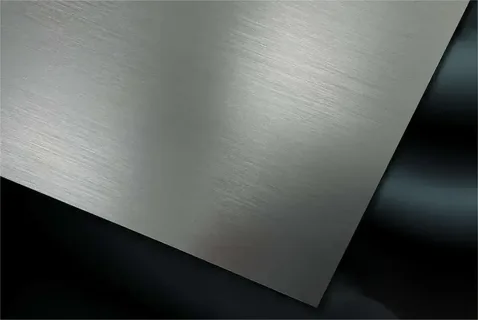
When it comes to high‑performance metal finishes, anodized aluminum stands out as a premium choice for designers, architects, and engineers. Its combination of durability, strength, corrosion resistance, and aesthetic appeal makes it ideal for a wide range of applications. From building facades and structural frames to interior accents and industrial components, glossy anodized aluminum delivers enhanced performance that traditional coatings can’t match. In this blog, we’ll explore what this finish is, why it’s so resilient, and how it enhances both form and function in modern design.
What is Polished Anodized Aluminum?
Polished anodized aluminum refers to aluminium that has undergone an electrochemical process called anodizing, which thickens the natural oxide layer on the surface. Unlike paint or powder coatings that sit atop the metal, anodising transforms the aluminium’s surface itself, creating a robust, integrated finish that resists peeling or flaking. The glossy appearance results from polished surface preparation and controlled oxide layer formation that reflects light for a sleek, high‑end look.
This process not only enhances aesthetics but also strengthens the metal surface, making aluminium extrusion sections more resistant to wear, corrosion, and environmental exposure than untreated aluminium.
How the Anodizing Process Works
The anodizing process begins with thorough cleaning and preparation of the aluminum surface to remove oils, oxidation, and impurities. Once the surface is prepared, the aluminium is submerged in an electrolyte bath, and an electric current is passed through it. This causes oxygen ions to combine with aluminum atoms at the surface, forming a durable oxide layer that is bonded to the metal rather than merely coating it.
After anodising, the material may be sealed in hot water or a chemical solution to close the microscopic pores in the oxide layer. This step boosts corrosion resistance and locks in colour while enhancing the glossy finish.
Durability: Built to Withstand Tough Conditions
One of the primary reasons architects and engineers choose polished anodized aluminum is its exceptional durability. The anodised surface layer is much harder than untreated aluminum, providing superior resistance to wear, scratches, and mechanical abrasion. Unlike painted coatings, which can chip, crack, or peel over time, the oxide layer produced by anodizing is part of the metal and does not flake off.
This enhanced durability makes aluminium extrusion sections ideal for use in environments exposed to high foot traffic, frequent handling, or physical stress. Whether used in door frames, railings, or industrial machinery housings, the glossy finish maintains structural integrity and appearance over extended periods.
Corrosion Resistance: Lasting Strength Against the Elements
Another major advantage of glossy anodized aluminum is its superior corrosion resistance. The anodised oxide layer acts as a protective barrier that shields the underlying metal from moisture, salt spray, chemicals, and airborne pollutants. This is especially important in outdoor or coastal applications where exposure to harsh elements is a constant challenge.
Where untreated aluminium might oxidize naturally and eventually degrade, anodised aluminium retains its finish and structural stability with minimal maintenance. The glossy surface also resists fading and staining, making it easier to clean and maintain.
Aesthetic Versatility: Beauty Meets Function
Beyond resilience and strength, polished anodized aluminum delivers a refined, high‑quality aesthetic. The anodizing process enhances the natural metallic look of aluminium, while the glossy surface adds depth and richness that appeal to designers and end users alike. Various colours and finishes are possible through controlled anodising techniques, allowing creatives to tailor appearances for specific visual requirements.
For example, architectural projects often leverage anodised aluminium in natural silver tones for modern façades or choose coloured or tinted finishes for interior elements that complement overall design themes. Because the colour is integral to the anodic layer, it remains stable and UV‑resistant over time.
Thermal and Environmental Benefits
Beyond aesthetics and strength, aluminium extrusion sections can contribute to thermal performance in building applications. The reflective properties of a glossy anodized surface help direct heat and sunlight away from the structure, potentially reducing thermal load and contributing to interior comfort.
Additionally, anodizing is considered an environmentally responsible finishing process. It does not generate harmful by‑products, uses non‑toxic materials, and enhances the lifespan of the underlying aluminium, reducing waste and the need for frequent replacement.
Common Applications Across Industries
The combination of durability, corrosion resistance, and visual appeal makes polished anodized aluminum suitable for a wide range of applications:
- Architecture and Construction: Window frames, curtain walls, facades, roofing trims, and decorative panels.
- Transportation: Structural components and trim pieces in automotive, rail, and aerospace applications where lightweight strength is crucial.
- Consumer Goods: Electronic device casings, appliance details, and finish elements where looks and performance matter.
- Industrial Equipment: Machine housings, workstations, and protective guards that require high wear resistance.
- Interior Design: Fashionable partitions, lighting fixtures, and furniture accents with lasting shine.
These diverse applications highlight how aluminium extrusion sections bring together aesthetics and engineering in ways that traditional materials often cannot.
Choosing the Right Anodised Aluminium Sections
When selecting anodised aluminium sections for your project, consider the required thickness of the anodised layer, intended environmental exposure, and finish specification. Alloys and temper levels also affect how well the finished product performs in terms of strength and corrosion resistance.
Working with experienced manufacturers who control surface preparation, anodizing conditions, and quality assurance ensures a consistent and reliable finish. This precision can greatly influence both performance and aesthetic outcome.
Conclusion
The Glossy anodized aluminum offers an ideal blend of strength, durability, visual appeal, and long‑term performance. Its unique surface treatment provides exceptional corrosion resistance, abrasion resistance, and stability under environmental stress while retaining a sleek, sophisticated finish. When you choose aluminium extrusion sections for your project, you’re investing in quality that withstands the test of time and enhances design possibilities.
Discover exceptional aluminium solutions with expert guidance and superior quality. JM Aluminium provides premium extrusion services emphasizing durability, precision, and performance. They deliver customized aluminium profiles with polished finishes suitable for architectural, industrial, and decorative applications. With advanced manufacturing, skilled fabrication, and comprehensive project support, JM Aluminium ensures reliable results, visual appeal, and on-time delivery, making it a trusted partner for clients seeking high-quality aluminium products and tailored solutions.


Leave a Reply