

There’s a moment many first-time firearm owners remember clearly—standing in a store or range shop, looking at magazines lined up like identical metal puzzles, wondering why something so small carries so much importance. It doesn’t look complicated. Until it is.
That’s usually where confusion starts with the glock 21 gen 5 magazine. It appears simple at first glance, but its role in reliability, feeding consistency, and overall firearm performance is far more technical than most beginners expect.
And yes, mistakes here tend to show up fast. Sometimes immediately.
Why the Magazine Matters More Than Expected
A firearm is often judged by its frame, barrel, or brand reputation. But the magazine quietly does the real work.
It controls feeding. It influences cycling. It even affects how smoothly the firearm performs under repeated use.
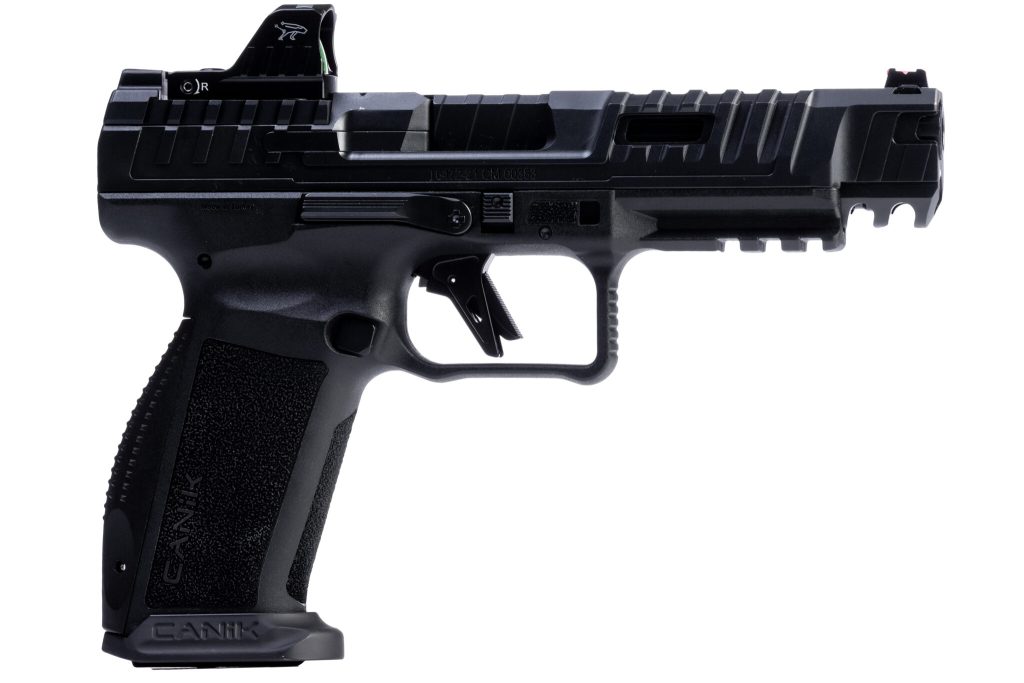
In the Glock ecosystem, the magazine isn’t just a container—it’s part of the system’s reliability chain. If something is off here, the rest doesn’t matter much. Strange, but true.
First-time owners often overlook this, assuming all magazines behave the same. They don’t.
Understanding the Glock 21 Gen 5 Setup
The Glock 21 Gen 5 is chambered in .45 ACP, a round known for its stopping power and relatively larger size compared to 9mm variants. Because of that, magazine design plays a slightly different role here.
The internal spring tension, follower shape, and feed angle are all tuned for consistent upward pressure. That upward pressure is what ensures rounds align correctly with the chamber during cycling.
If that alignment fails—even slightly—feeding issues can appear. Not common, but definitely possible with improper handling or low-quality alternatives.
Capacity vs Practical Use
Most first-time owners focus on capacity first. It’s an easy number to understand.
But capacity alone doesn’t tell the full story.
A properly functioning magazine balances capacity with consistent spring pressure. Too weak, and feeding becomes unreliable near the end of a cycle. Too tight, and loading becomes unnecessarily difficult.
There’s a kind of invisible balance here. One that experienced shooters tend to notice more than beginners.
Ever seen someone struggle to load the last two rounds? That’s usually spring resistance doing its job… maybe a little too well.
Common Beginner Mistakes
New owners often assume magazines are interchangeable or that aftermarket versions offer identical performance.
That assumption can lead to subtle problems:
- Inconsistent feeding
- Premature wear on springs
- Failure to lock the slide properly
- Difficulty seating the magazine fully
None of these always appear immediately. They build up slowly, often showing during the least convenient moment—like range practice when focus is already split.
ill, rules exist for a reason. Factory specifications exist because tolerances matter more than they appear on paper.
Loading, Seating, and Handling Awareness
Loading a magazine seems straightforward, but technique matters more than expected.
Rushing the process can bend feed lips over time. Slamming the magazine into the frame without proper alignment can cause unnecessary stress on both components.
A soft but firm insertion tends to work best. Not delicate. Not aggressive. Controlled.
There’s a rhythm to it once familiarity builds.
Maintenance: The Forgotten Habit
Magazines rarely receive attention until something goes wrong.
Dust, carbon residue, and even minor debris can affect follower movement inside the tube. Over time, this impacts feeding consistency.
A simple routine—occasional disassembly, light cleaning, spring inspection—prevents most issues. Nothing dramatic. Just consistency.
Oddly enough, magazines often last longer when they’re not neglected rather than when they’re constantly “over-serviced.”
Storage Matters More Than Expected
Long-term compression of springs is a debated topic, but improper storage still causes issues in practice.
Leaving magazines loaded for extended periods without rotation can gradually affect spring tension. Rotating usage spreads wear more evenly.
Humidity also plays a subtle role. Not immediately visible, but corrosion starts quietly when conditions are ignored.
Small details. Big difference later.
Compatibility Confusion in the Real World
First-time owners sometimes mix terminology or assume cross-compatibility between models. That’s where confusion grows.
The Glock ecosystem is modular, but not universally interchangeable across all variants. Understanding model-specific compatibility prevents unnecessary frustration.
A magazine that almost fits is still not the right magazine. “Almost” doesn’t function under recoil.
Learning Curve: Confidence Comes Slowly
There’s a noticeable shift that happens after enough range time. What once felt mechanical becomes intuitive.
Magazine insertion becomes automatic. Loading speed improves. Malfunctions—when they occur—are easier to diagnose.
But early on, hesitation is normal. Even expected.
The key isn’t perfection. It’s familiarity built through repetition.
Final Perspective: Simplicity on the Surface, Precision Underneath
To a beginner, a magazine looks like a simple accessory. A metal box with a spring. That’s the surface impression.
Underneath, it’s a carefully engineered component that directly influences reliability, safety, and performance.
And this is where perspective shifts. The glock 21 gen 5 magazine isn’t just about holding ammunition—it’s about consistency under pressure, something that only becomes clear after real use.
Some people compare firearms systems to mechanical tools, others to precision instruments. Either way, the magazine is the quiet part doing most of the work.
There’s even a common misconception in casual discussions—like comparing systems such as a shotgun with a clip—which often blends unrelated mechanics. In reality, each platform has its own design logic, and magazines in pistols like the Glock operate on a very different principle.
Understanding that difference is usually where real confidence begins.


Leave a Reply