

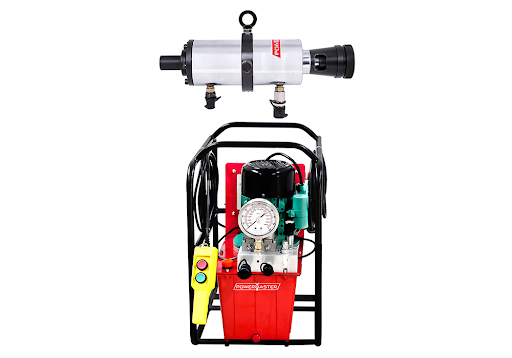
The industrial maintenance process has undergone significant development which particularly affects power generation, refinery, and petrochemical sectors. One of the most important developments in these industries is the evolution of tube removal tools. These are widely used to extract broken heat exchanger tubes from condensers and boilers.
From basic manual devices to advanced hydraulic systems, this transformation has improved efficiency, safety, and precision of the equipment that are used to perform daily industrial tasks.
The Era of Manual Tube Removal
In the early days, industries depended on manual tube removal tools like hand pullers and chisels. These tools demanded heavy physical labor which led to workers achieving unpredictable results. Tube removal was slow and sometimes caused damage to surrounding components such as tube sheets.
Manual processes also increased downtime, especially during maintenance operations. The uncontrolled application of force resulted in incomplete tube extraction and deformation. Also, the repetitive tasks created higher safety risks because of the physical stress they put on workers.
Hydraulic Technology: A Game Changer
The introduction of hydraulic systems marked a turning point in the evolution of tube removal tools. The modern industrial sector currently uses hydraulic tube pullers, air hydraulic stub pullers, and internal tube cutters as its standard operational tools. They are capable of handling tube outer diameters, which range from 6.35 mm up to 102 mm, making them a suitable option for various applications.
The hydraulic tools deliver steady pulling force which enables operators to extract tubes without causing any damage. The systems help operators to complete tasks at higher speed while maintaining better control of their work. These features have made them essential to use for large maintenance projects where time and accuracy are critical.
Key Benefits of Hydraulic Tube Removal Tools
The switch to hydraulic tube removal tools provides multiple benefits, which are as follows:
- Hydraulic systems enable quicker tube extraction which results in less operational downtime.
- They use controlled force to prevent damage to nearby equipment.
- The system works effectively across various tube dimensions and industrial settings.
These advantages make hydraulic tools the preferred choice for modern maintenance teams.
Role of Supporting Tools in Maintenance
Industries today use manual tube removal tools together with hydraulic torque wrenches which serve as advanced bolting equipment. The system uses hydraulic pressure to deliver precise torque control which enables safe and dependable bolt assembly operations.
A typical hydraulic torque wrench operates with exceptional precision because its accuracy range allows users to achieve precise results within a range of ±3% repeatability. The equipment functions as an efficient solution for important bolting operations which take place in refineries, power plants, and large-scale industrial facilities.
Concluding Remarks
The transition from manual tube removal methods to hydraulic systems represents a modern industrial shift towards improved operational efficiency, enhanced precision, and increased workplace safety. Companies like POWERMASTER LTD. have played a key role in this advancement by offering a wide range of bolting solutions. The brand continues to support industries with dependable and high-performance maintenance equipment through its international engineering capabilities and global product distribution which serves over 120 countries.


Leave a Reply