

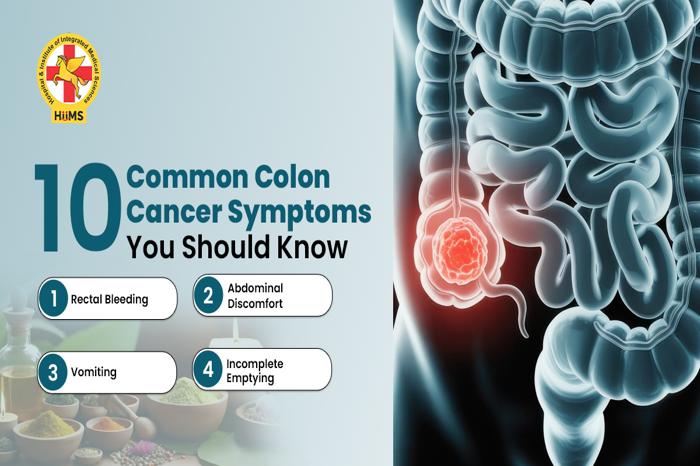
Health is something we often take for granted until the body starts giving warning signs. Many serious conditions do not appear suddenly; instead, they develop slowly over time. One such condition is colon cancer. Understanding colon cancer symptoms can help you recognize these early signals and take action before the problem becomes serious.
Colon cancer is becoming more common due to modern lifestyle habits, including unhealthy eating, lack of physical activity, and increased stress. The good part is that if it is detected early, it can be managed effectively. Knowing the early signs of colon cancer, along with its causes and available colon cancer treatment, can make a big difference in overall health outcomes.
What is Colon Cancer?
Colon cancer begins in the large intestine, also known as the colon. It usually starts as small, non-cancerous growths called polyps. Over time, some of these polyps may develop into cancer. This process is slow and may take years, which gives enough time to notice changes in the body if you stay aware.
The colon plays an important role in digestion and waste removal. It helps absorb water and nutrients while also removing waste from the body. When the colon is affected, it can disturb many basic body functions, leading to noticeable symptoms.
Early Signs of Colon Cancer
The early signs of colon cancer are often mild and easy to ignore. Many people mistake them for common digestive issues like gas or acidity. However, when these signs persist or appear frequently, they should not be taken lightly.
Some common early signs include:
- Changes in bowel habits such as diarrhoea or constipation
- Blood in stool, which may appear red or dark
- Stomach discomfort like cramps, gas, or pain
- Feeling that the bowel does not empty completely
- Ongoing fatigue or weakness
These symptoms may not always mean cancer, but they are signals that something is not right in the body. Paying attention to these early changes can help in identifying the problem before it becomes serious.
Common Colon Cancer Symptoms
As the condition progresses, colon cancer symptoms may become more noticeable and start affecting daily life. These symptoms often develop gradually and may worsen over time.
Some common symptoms include:
- Unexplained weight loss without changes in diet or activity
- Narrow or thin stools for a prolonged period
- Frequent bloating and excessive gas
- Nausea or vomiting in some cases
- Iron deficiency anaemia due to slow internal bleeding
These symptoms occur because the colon is not functioning properly. In some cases, there may be a blockage or bleeding inside the intestine, which leads to these changes. If you notice a combination of these symptoms, it is important to seek medical advice.
Colon Cancer Causes
There is no single cause behind colon cancer, but several factors can increase the risk. Understanding colon cancer causes can help you make better lifestyle choices and reduce the chances of developing the condition.
1. Unhealthy Diet
A diet high in processed or junk food and low in fibre can negatively affect digestion and increase risk over time.
2. Low Intake of Fruits and Vegetables
Fruits and vegetables provide essential nutrients, antioxidants, and fibre that support colon health and improve digestion.
3. Lack of Physical Activity
A sedentary lifestyle slows down metabolism and digestion, increasing the chances of developing digestive problems.
4. Smoking and Alcohol
Smoking and excessive alcohol consumption are linked to many health problems, including an increased risk of cancer.
5. Family History
If someone in your family has had colon cancer, your chances of developing it may be higher due to genetic factors.
While some causes like genetics cannot be controlled, lifestyle-related factors can be improved with simple daily changes.
Why Early Detection is Important
Early detection is one of the most important factors in managing colon cancer. When colon cancer symptoms are identified at an early stage, treatment becomes more effective and less complicated.
Many people delay medical checkups because they assume symptoms are minor or temporary. However, ignoring early warning signs can allow the condition to progress. Regular health screenings, especially after a certain age, can help detect the problem early.
Early diagnosis not only improves treatment outcomes but also reduces the chances of complications. It gives patients more options and better control over their health journey.
Colon Cancer Treatment
Colon cancer treatment depends on the stage of the condition and the overall health of the patient. When detected early, treatment is often simpler and more effective.
Some common approaches include:
- Lifestyle and dietary changes to improve overall health
- Medications to manage symptoms and control progression
- Medical procedures or surgery in advanced stages
In many cases, treatment involves a combination of different methods. The main goal is to remove or control the cancer while maintaining the quality of life.
It is important to follow medical advice and complete the recommended treatment plan. Regular follow-ups are also necessary to monitor progress and prevent recurrence.
Supporting Digestive Health Naturally
Along with medical care, maintaining good digestive health plays a key role in prevention and recovery. Simple daily habits can support your colon and overall well-being.
Here are some easy steps:
- Eat fresh, home-cooked meals with enough fibre
- Include whole grains, fruits, and vegetables in your diet
- Stay physically active with regular exercise
- Drink plenty of water to support digestion
- Avoid excessive junk food, smoking, and alcohol
- Manage stress through relaxation techniques like yoga or meditation
Many people also explore natural approaches like Ayurveda, which focuses on improving digestion and balancing the body naturally. While these methods can support overall health, they should be used along with proper medical guidance.
When Should You See a Doctor?
It is important to consult a doctor if you notice any unusual changes in your body. Do not ignore symptoms, especially if they continue for a long time.
You should seek medical advice if:
- Symptoms last for more than a few weeks
- There is blood in the stool
- You experience sudden weight loss
- You feel constant fatigue or weakness
- There are repeated changes in bowel habits
Early consultation can help in proper diagnosis and timely colon cancer treatment, which improves the chances of recovery.
Prevention Tips for Better Colon Health
While not all cases can be prevented, certain habits can help reduce the risk of colon cancer and improve overall digestive health.
- Maintain a balanced diet rich in fruits, vegetables, and fibre
- Exercise regularly and avoid a sedentary lifestyle
- Avoid smoking and limit alcohol intake
- Maintain a healthy body weight
- Go for regular health checkups and screenings
- Pay attention to any changes in your body
These small but consistent steps can make a big difference in long-term health and well-being.
Conclusion
Understanding colon cancer symptoms is the first step toward protecting your health. The early signs of colon cancer may seem simple, but they can indicate a serious condition if ignored. Being aware of these signs allows you to take timely action and seek medical advice when needed.
At the same time, knowing the colon cancer causes helps you make better lifestyle choices and reduce risk. With early detection and the right colon cancer treatment, the chances of recovery improve significantly.
Your body often gives signals when something is wrong. Listening to these signals and acting early can make all the difference. Stay aware, take care of your health, and never delay seeking help when needed.
Book an appointment today and take the first step toward better health. Timely guidance can help you avoid serious complications and ensure proper care.
Also Read about
Colon Cancer Treatment


Leave a Reply