

Off-road driving is unpredictable. Whether you’re tackling sand dunes, muddy trails, rocky climbs, or snowy tracks, getting stuck is not a possibility—it’s a certainty. That’s why a 4×4 recovery kit is one of the most important investments for any off-road driver in 2026.
A well-equipped recovery kit ensures you can safely recover your vehicle without relying on external help. It improves safety, reduces downtime, and gives you confidence to explore tougher terrains. In this guide, you’ll learn everything you need to know—from essential components to buying tips and how to choose the best kit for your needs.
What Is a 4×4 Recovery Kit?
A 4×4 recovery kit is a collection of tools and equipment designed to help free a stuck vehicle. These kits typically include straps, shackles, gloves, and other accessories needed for towing or winching.
Most complete kits are designed to handle different recovery situations, including self-recovery and assisted recovery using another vehicle.
Modern kits in 2026 are more advanced, with improved materials like synthetic ropes, lightweight shackles, and multi-functional tools.
Why Every Off-Roader Needs a Recovery Kit
Driving off-road without recovery gear is risky. Even experienced drivers get stuck due to terrain, weather, or vehicle limitations.
Here’s why a recovery kit is essential:
- Self-reliance – No need to depend on tow trucks in remote areas
- Safety – Proper tools reduce injury risk during recovery
- Versatility – Works in mud, sand, snow, and rocks
- Time-saving – Quick recovery keeps your trip on track
According to off-road experts, even basic gear like straps and shackles can handle most recovery situations when used correctly.
Key Components of the Best 4×4 Recovery Kit
Not all kits are equal. The best ones include a combination of essential tools.
1. Snatch Strap or Kinetic Rope
This is the heart of most recovery kits. It stretches under load and helps pull a stuck vehicle out smoothly.
Kinetic ropes are becoming more popular in 2026 because they reduce shock loads and provide smoother recovery compared to traditional straps.
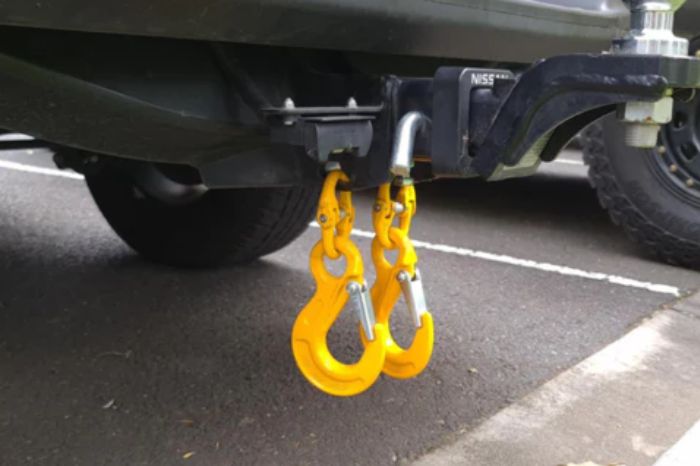
2. Shackles (Soft or Steel)
Shackles connect different components in the recovery system.
- Soft shackles – Lightweight and safer
- Steel shackles – Strong but heavier
Experts recommend carrying at least two shackles in any kit.
3. Tree Trunk Protector
Used when winching from a tree. It protects the tree and distributes load evenly.
4. Winch Extension Strap
Adds extra length to your winch cable when anchor points are far away.
5. Snatch Block
A pulley that doubles the pulling power of your winch and changes direction.
6. Recovery Damper (Blanket)
A critical safety item. If a rope snaps, the damper reduces dangerous recoil.
This component can literally save lives during recovery operations.
7. Gloves
Protect your hands while handling cables and ropes.
8. Recovery Tracks
These provide traction under tires in sand or mud. They are especially useful for solo travelers.
9. Shovel and Tools
Some kits include extras like shovels or saws, useful for clearing obstacles.
Types of 4×4 Recovery Kits
1. Basic Recovery Kits
These include essential items like straps, shackles, and gloves.
Best for beginners or light off-road use.
2. Intermediate Kits
Include additional tools like snatch blocks and tree protectors.
Suitable for regular off-roaders.
3. Advanced Kits
These are comprehensive kits with winch accessories, recovery tracks, and more.
Ideal for serious off-road enthusiasts and overlanders.
Example of What a Good Kit Includes
A typical high-quality recovery kit may include:
- Snatch strap (8000kg+)
- Tree trunk protector (12000kg)
- Winch extension strap
- Shackles
- Snatch block
- Recovery damper
- Gloves and carry bag
Such kits are designed to cover both winch and tow-based recoveries.
How to Choose the Best 4×4 Recovery Kit in 2026
Choosing the right kit depends on your vehicle, terrain, and experience level.
1. Check Weight Rating
Your recovery gear must be rated higher than your vehicle’s Gross Vehicle Mass (GVM).
A common rule:
- Use straps rated 2–3 times your vehicle weight
2. Choose the Right Material
- Nylon straps – Durable and affordable
- Kinetic ropes – Better performance and smoother recovery
- Synthetic winch lines – Lightweight and safer
3. Consider Terrain
Different terrains require different tools:
- Sand – Recovery tracks + kinetic rope
- Mud – Snatch strap + shovel
- Rocks – Winch + tree protector
4. Look for Complete Kits
Buying a complete kit ensures all components work together properly.
5. Safety Features Matter
Never compromise on safety gear like:
- Recovery dampers
- Rated shackles
- Certified straps
Cheap or low-quality gear can fail under load and cause serious injury.
6. Storage and Portability
A good kit comes with a durable storage bag for easy organization and transport.
Common Mistakes to Avoid
Many beginners make costly mistakes when buying recovery kits.
Buying Cheap Gear
Low-quality gear may fail during recovery. Always choose tested and rated equipment.
Ignoring Weight Ratings
Using under-rated gear can lead to breakage and accidents.
Not Learning Recovery Techniques
Having gear is not enough—you must know how to use it properly.
Real-world advice from off-road communities highlights that experience and proper technique matter as much as equipment.
Carrying Unnecessary Items
Some kits include items you may never use. Focus on essentials first.
Safety Tips for Using Recovery Kits
Safety should always come first.
- Never stand near a tensioned strap
- Always use a recovery damper
- Check gear for wear and damage
- Use rated recovery points only
- Avoid using tow balls—they can become deadly projectiles
Trends in 4×4 Recovery Kits for 2026
Recovery gear continues to evolve. Key trends include:
1. Shift to Synthetic Materials
Synthetic ropes and soft shackles are replacing steel components due to safety and weight advantages.
2. Multi-functional Kits
Modern kits include tools like shovels, saws, and lighting for all-in-one solutions.
3. Lightweight Overlanding Gear
Overlanders prefer compact kits that save space and weight.
4. Smart Recovery Gear
Some advanced systems now include load sensors and safety indicators.
Who Needs Which Type of Kit?
Beginners
Start with a basic kit including straps, shackles, and gloves.
Weekend Off-Roaders
Go for intermediate kits with added safety and winch accessories.
Hardcore Off-Roaders & Overlanders
Invest in advanced kits with full recovery systems and tools.
Final Thoughts
A 4×4 recovery kit is not just an accessory—it’s a necessity for safe off-road driving. Whether you’re exploring remote deserts or tackling muddy trails, the right kit can make the difference between a quick recovery and a dangerous situation.
The best recovery kit from Ultimate Offroad for 2026 is one that matches your vehicle, terrain, and experience level. Focus on quality, safety, and essential components rather than flashy extras.
If you’re serious about off-roading, investing in a high-quality recovery kit is one of the smartest decisions you can make.
Frequently Asked Questions
1. What is a 4×4 recovery kit used for?
A 4×4 recovery kit is used to safely recover a stuck vehicle from sand, mud, snow, or rough terrain using tools like straps, shackles, and recovery tracks.
2. What should be included in a 4wd recovery kit?
A complete 4wd recovery kit should include a snatch strap, D-shackles, recovery tracks, gloves, and optionally a winch and tree trunk protector.
3. Do I really need a 4 wheel drive recovery kit?
Yes, a 4 wheel drive recovery kit is essential for off-road driving as it helps you handle unexpected situations and avoid being stranded.
4. Can I use a tow rope instead of a snatch strap?
No, tow ropes are not designed for recovery. A snatch strap is specifically made for 4×4 recovery as it stretches and provides controlled pulling force.
5. How do I choose the best 4×4 recovery kit?
Choose the best 4×4 recovery kit based on your vehicle weight, terrain type, and quality of components. Always go for rated and durable gear.






Leave a Reply